Education is made up of a wide range of disciplines and delivered (usually) in classrooms to children aged three upwards. No two schools are identical, no class of children the same, some areas are affluent, some deprived. The education of children is influenced further by other factors such as special education needs, gender, race, local environment, parental background and wellbeing. This makes it extremely difficult to employ a one-size-fits-all approach to memory, pedagogy or curriculum strategy.
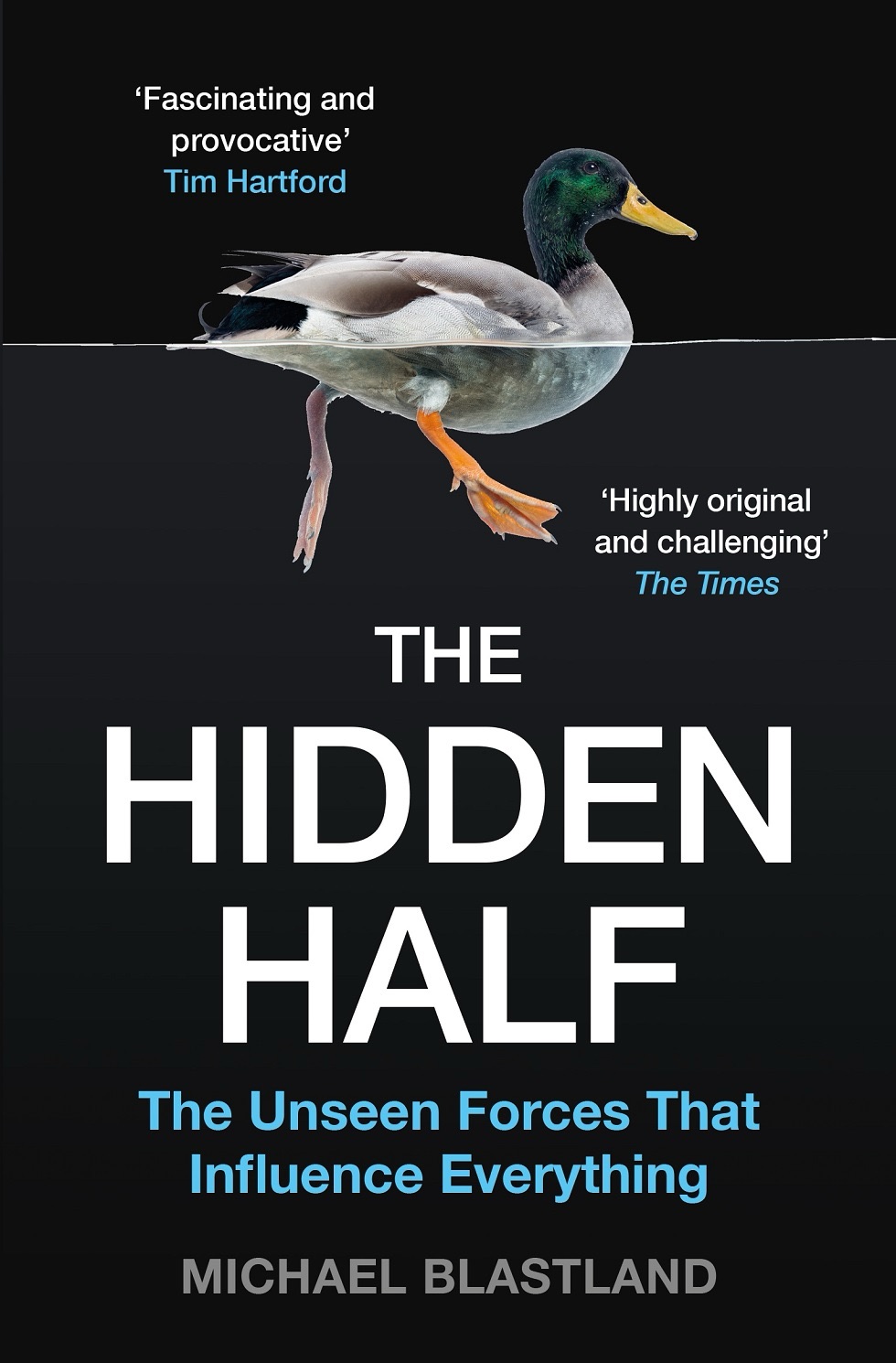
In his book the Hidden Half, author Michael Blastland discusses the problems associated with attempting blanket, homogenised approaches in education, science, research, financial markets and medicine. His conclusion, after much research around the world, is that they simply don’t work. What works perfectly well in one place might not work in another. What works for you might not work for me. The reason for this is that there is a hidden half of factors that you simply cannot prepare for. No amount of pressure or robust implementation will work because there are simply too many variables.
Doing nothing is not an option either. It doesn’t mean that doing nothing will be just effective as doing something that might not work. The best you can do is to measure what has been effective most often and try that first. If that fails, try the next option and so on until you get something that is successful. This technique is one that doctors use when prescribing medicines, they can’t say a drug will work on you for certain, but they know which ones statistically work better and they try something new if it doesn’t.
I do not wish to undermine any of the excellent work done in schools on retrieval practice. Retrieval practice is a very effective way to remember semantic information and facts, but I would like to point out that education is surely much much more than that. However, research has been done in this field, it works and works well. I have personal experience of using spaced retrieval techniques, quizzes and tests and have found all of them to be successful to some degree. But lots of research has been done to show drawing is effective, or gestures or many of the other things I’ve mentioned in earlier blogs on memory: https://paulcarneyarts.wordpress.com/2020/02/19/the-best-way-to-remember-something-is-to-make-it-memorable/
My point in writing this blog was that you shouldn’t simply depend on one memory technique. There are some wonderful creative ways to remember things, many of which I’ve mentioned above; some such as mnemonics and mind palaces I’ve omitted.
If all teachers are using retrieval techniques every day, five days a week, 36 weeks a year for eleven years then many children will get bored and demotivated by them. In our quest for improved memory for test success we need to be very careful of the pressure we are putting on children to remember everything we teach them. This will never happen because our brains naturally forget things we aren’t using. So no matter how much you try to embed information, if it isn’t perceived as being important it will be buried and that’s ok! We don’t always need to have all information at the tips of our fingers and we never can. We can make improvements to memory and use every technique in our arsenal, but we should try to make it enjoyable, efficient and effective.
Being efficient isn’t doing the quickest thing, it is doing the thing that works best in the least amount of time and that is very different.

 Paul Carney’s Blog
It would be great to hear your thoughts about this