art
-
Microbe Series 2
Microbes 2 – pencil on paper. Another very satisfying transfer of digital drawings into traditional media. There’s something beautiful about this subject matter combined with the process of drawing. #drawing #microbes #scienceart Continue reading

-
Here’s some flowers for you…
Some examples of my most recent paintings I’ve been doing. These are hand-painted and a return back to traditional media for me. I’m loving it! Continue reading

-
Transcending Time
What is the nature of time? Time. We all know it. We all feel it’s passing and are bound by its earthly laws. Time is integral to every culture, every place, every epoch. It is known by many names: Father… Continue reading
-
Beautiful Insect Art
I’ve been inspired by the wonderful insects in my garden this year. So, why not I fuse them into my art? I wanted to weave bright, vibrant colours with wallpaper patterns, comparing and contrasting nature with human design. Here are… Continue reading

-
Beyond Words
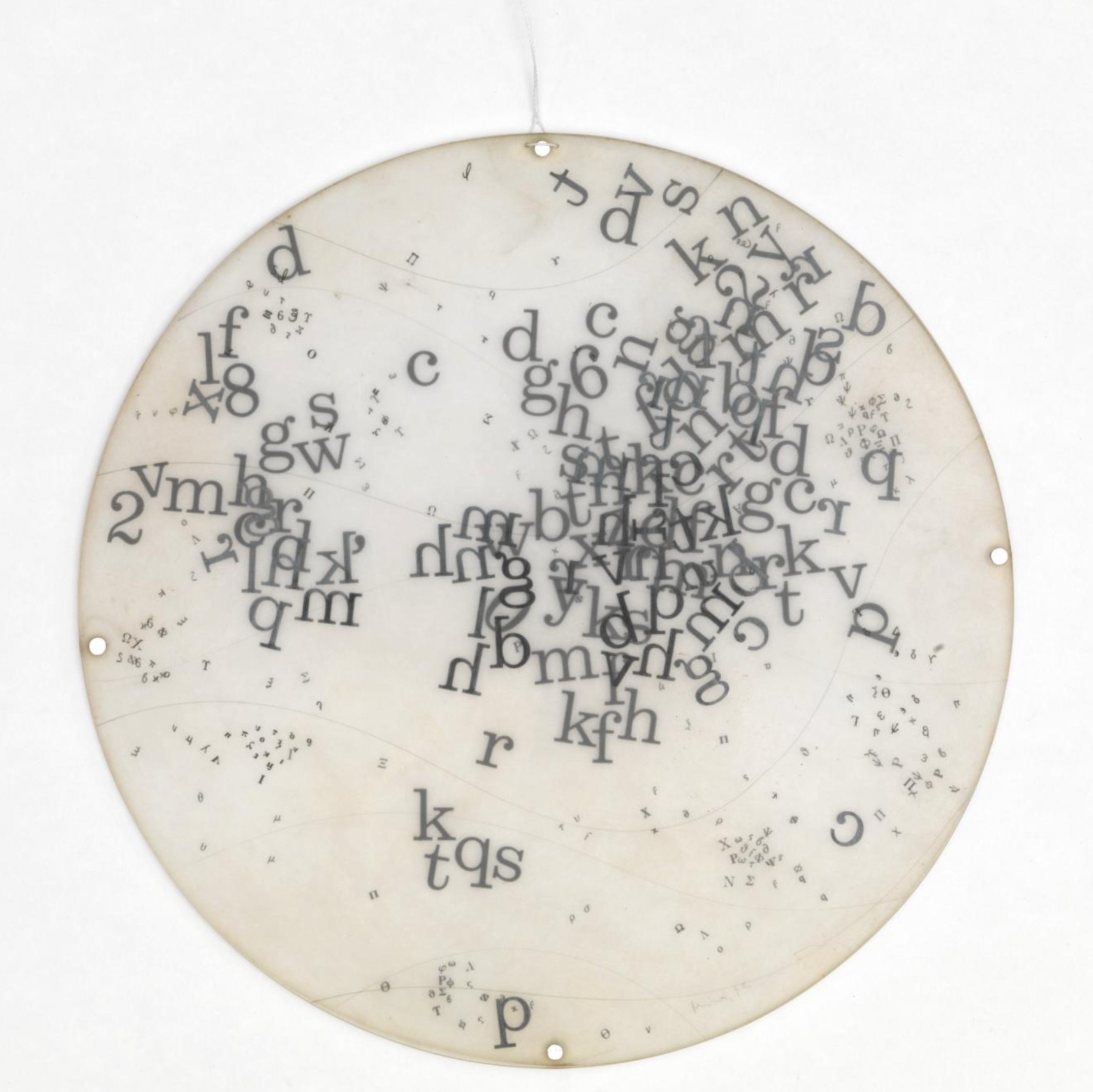
Knowing what lies beyond the limits of language is an incredibly powerful and profound aspect of our existence. All of our thinking is through words, all of our actions, all of our science, all of our literature, all of our… Continue reading
-
Art and philosophy
Kenshō philosophy believes in seeing nature as it is, by aesthetic, rather than rational means. I love this quote by Japanese philosopher Kitaro Nishida: ‘It is the artist not the scholar, who arrives at the true nature of reality.’ We… Continue reading

-
Abstractions of Microbes
A selection from a series of drawings I did based on microbiology. These are produced digitally on an iPad using an Apple Pencil in Procreate. Continue reading

-
Am I going bananas?
Alethea thought she was going mad. When she awoke that morning, she went downstairs for breakfast and her banana started talking to her! It said it wasn’t really real. It told her it was just a shadow on a cave… Continue reading

-
Sweating the small stuff
I made several observational drawings of microorganisms a while ago, and I tried to make them in the style of Renaissance drawings of the masters. Here are two drawings I really like. I hope you like them too! Continue reading

-
Abstract Art
When I was an art student, many moons ago, I hated abstract art. Back then, I believed that art required skill to be ‘good’. I thought that art was a craft that needed to be honed and developed. Abstract artists,… Continue reading

-
Crows, crows, and more damn crows
I went through a period of drawing nothing but crows for about two years. I really love them and enjoyed this drawing period immensely. The problem I had was that I just couldn’t get enough high quality images in the… Continue reading

-
Digitally hand-made crafts
Digital art gets a bad rap from some people. I’m regularly told I can’t enter my art for competitions or excluded from exhibiting because it has been produced digitally. I certainly don’t get the same social media validation as other… Continue reading

-
Anatomical Self-Portraits
Here are a few anatomical self-portraits I did in 2022. I find it incredible that all of this is stuffed inside our heads! Continue reading

-
My Art
A huge reason why I chose to retire from education was my burning ambition to spend more time in my own art and creativity. I reckon I have a few years left in me yet and so I want to… Continue reading

-
Fine Motor Skills in Art
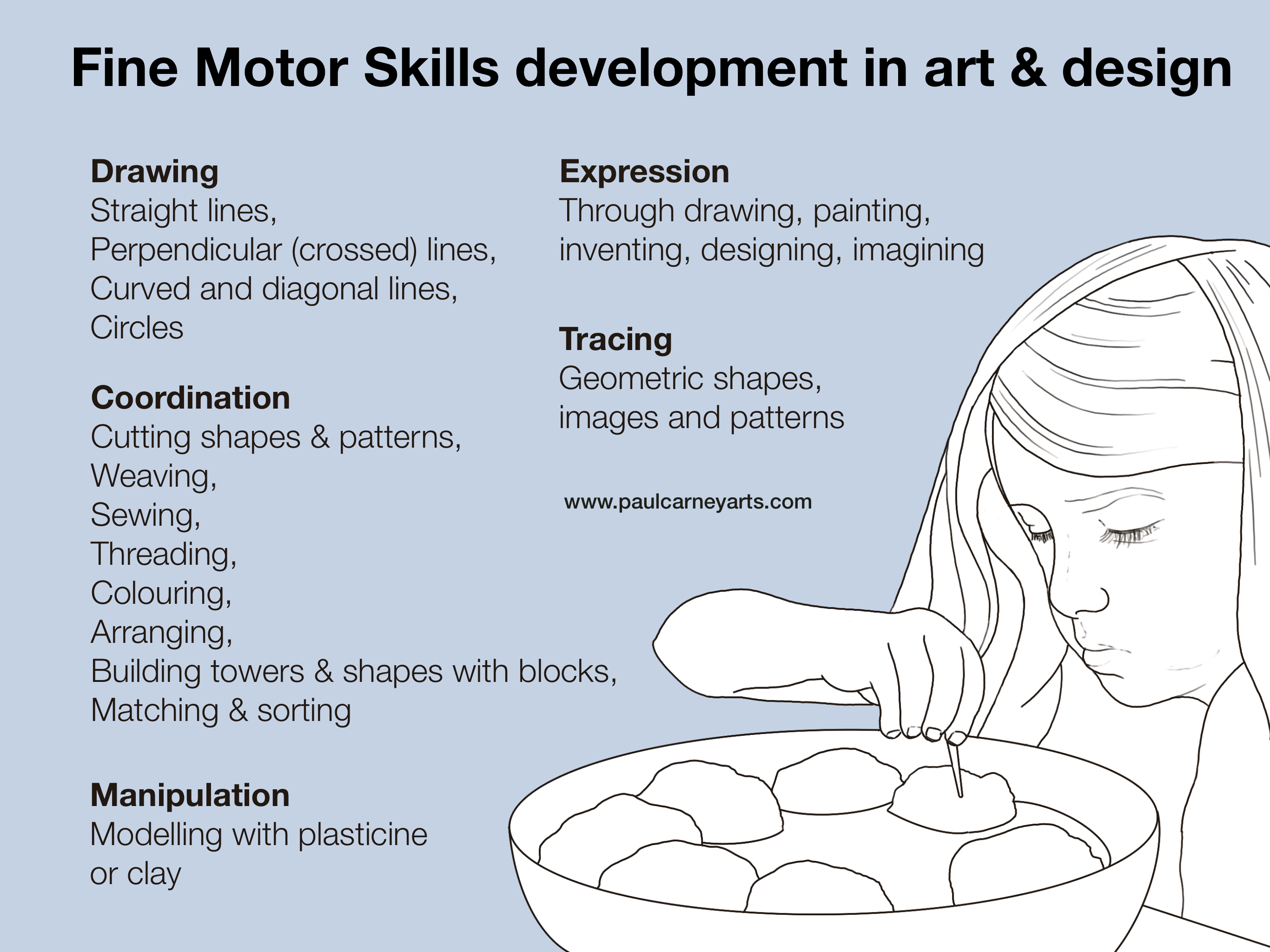
When we think of pupils making progress in art, we tend to think of pupils developing their skills or abilities in separate domains such as drawing, painting, sculpture, printmaking and so on. Certainly, that’s the way most school progression maps… Continue reading
-
Creative Choice
Some teachers believe that we need to master skills before we can be creative. They say that creativity cannot be properly realised without the skill to express it. So, they might narrow the creative activity to focus on mastering a… Continue reading

-
You CAN teach creativity
By Paul Carney http://www.paulcarneyarts.com Some very knowledgeable people say ‘you can’t teach creativity’. You can. As a creative teacher, I teach people how to be creative all the time. I can teach you the historical processes by which inventions and… Continue reading

-
Developing imagination in learners
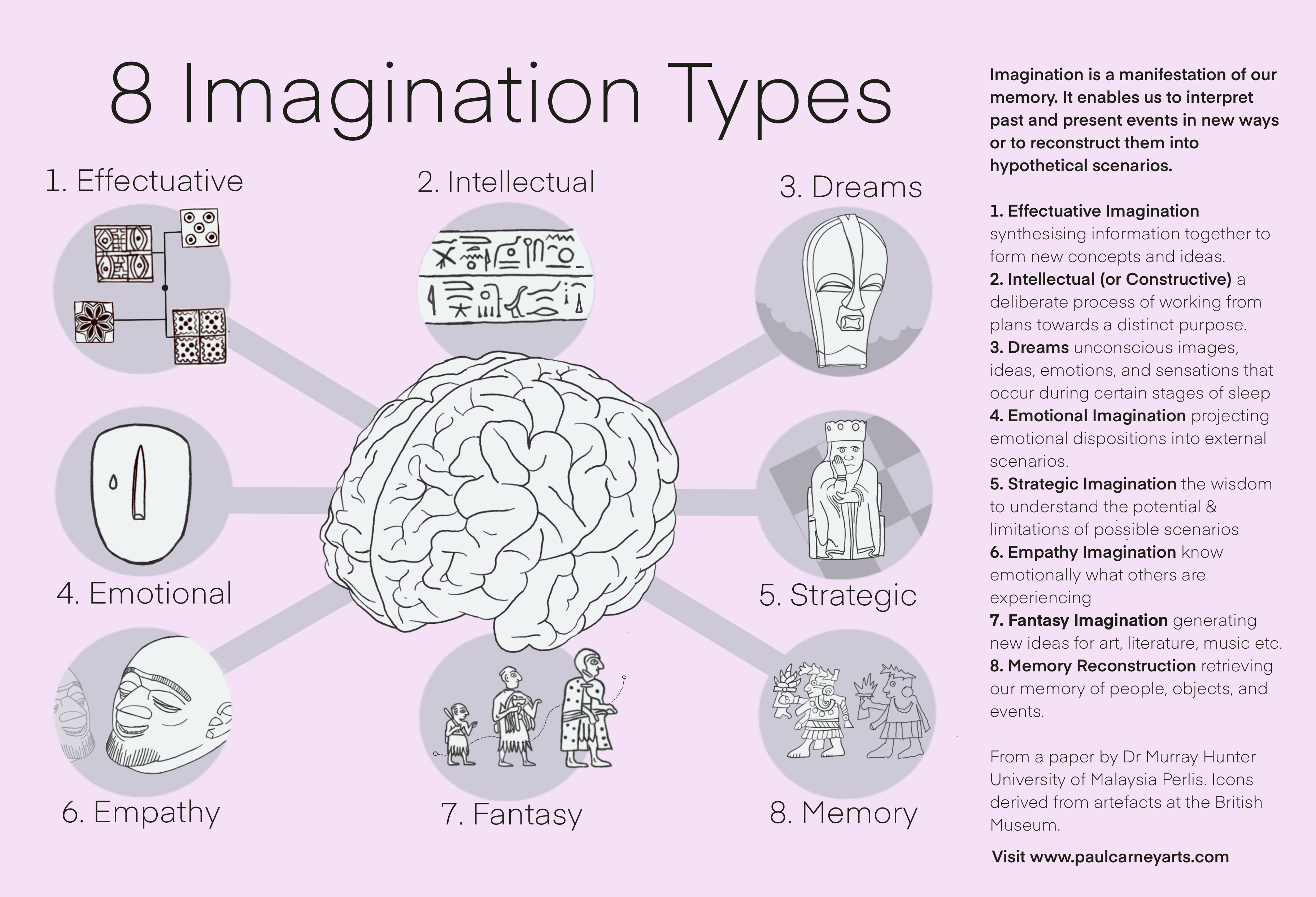
Imagination is the foundation of all inventiveness and innovation. It is uniquely human, and with it, we have been able to think, design, conceive, construct and develop our whole human society. Imagination is a powerful tool for learning and with… Continue reading
-
Artistic development in Children
By Paul Carney This blog post contains extracts from an essay by Anna Kindler – Art in early Childhood “One man may sketch something with his pen on half a sheet of paper in one day, or may cut it… Continue reading
-
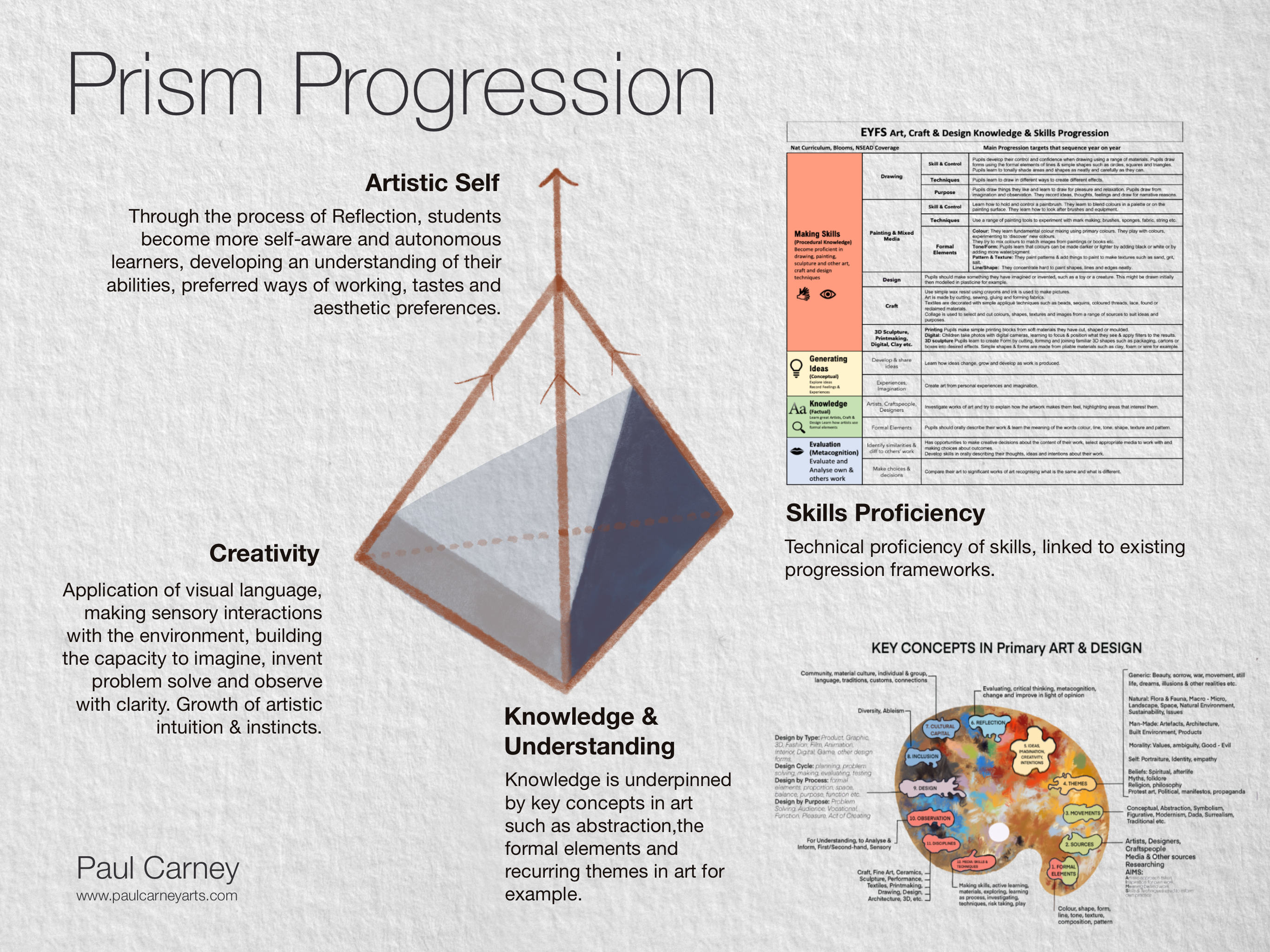
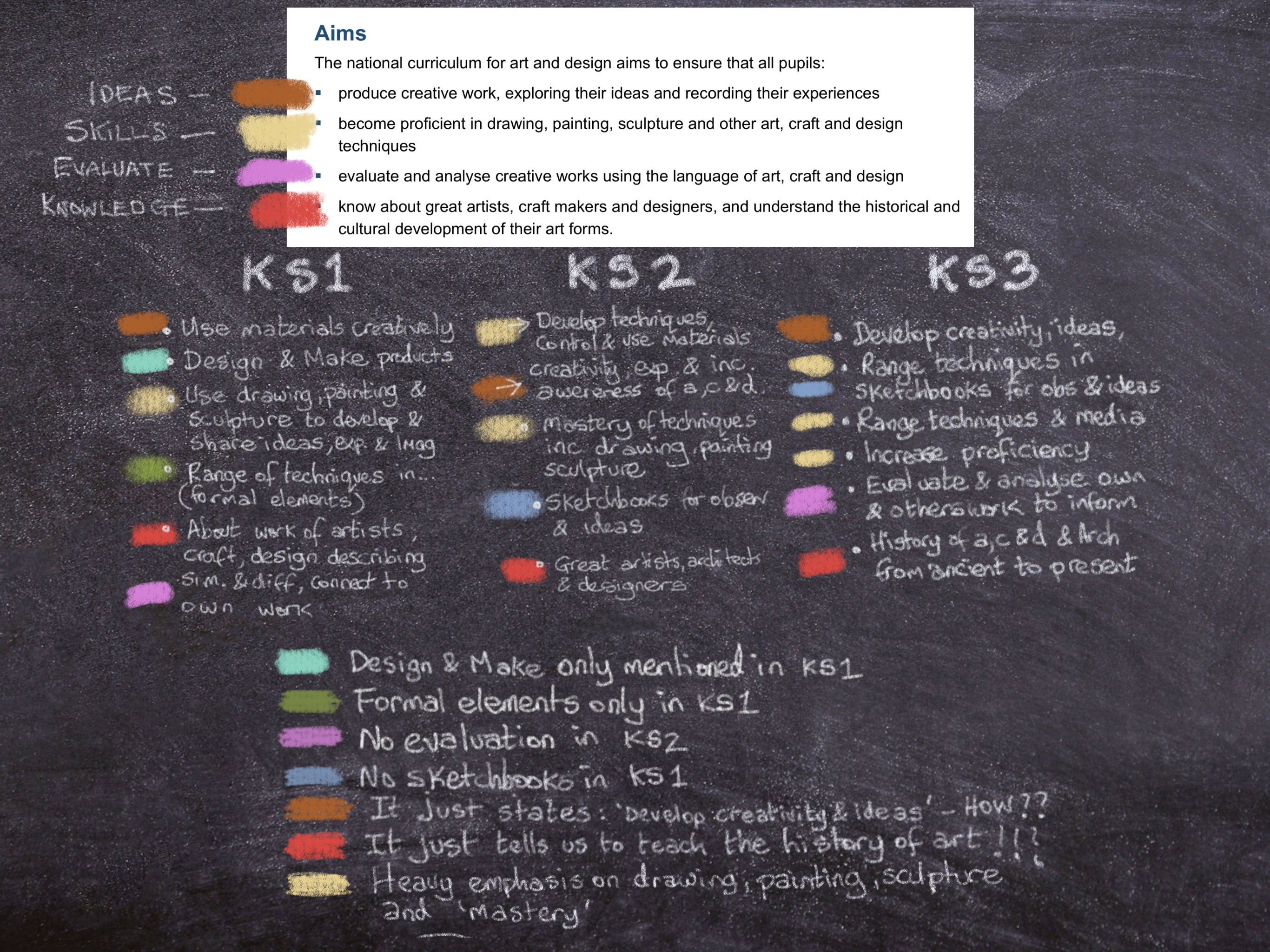
Sequencing learning in art and design? Don’t ask the DfE!
Schools all over England are being judged by Ofsted on their ability to sequence learning and progression in the subject, despite the fact that the national curriculum for art and design in England isn’t properly sequenced and it’s progression of… Continue reading
-
Art and Design Process
Making art is a complex, diverse process that can take many forms and be shaped by a wide range of factors. I’ve attempted to outline the main ones in a series of graphic organisers that could help teachers plan activities… Continue reading

-
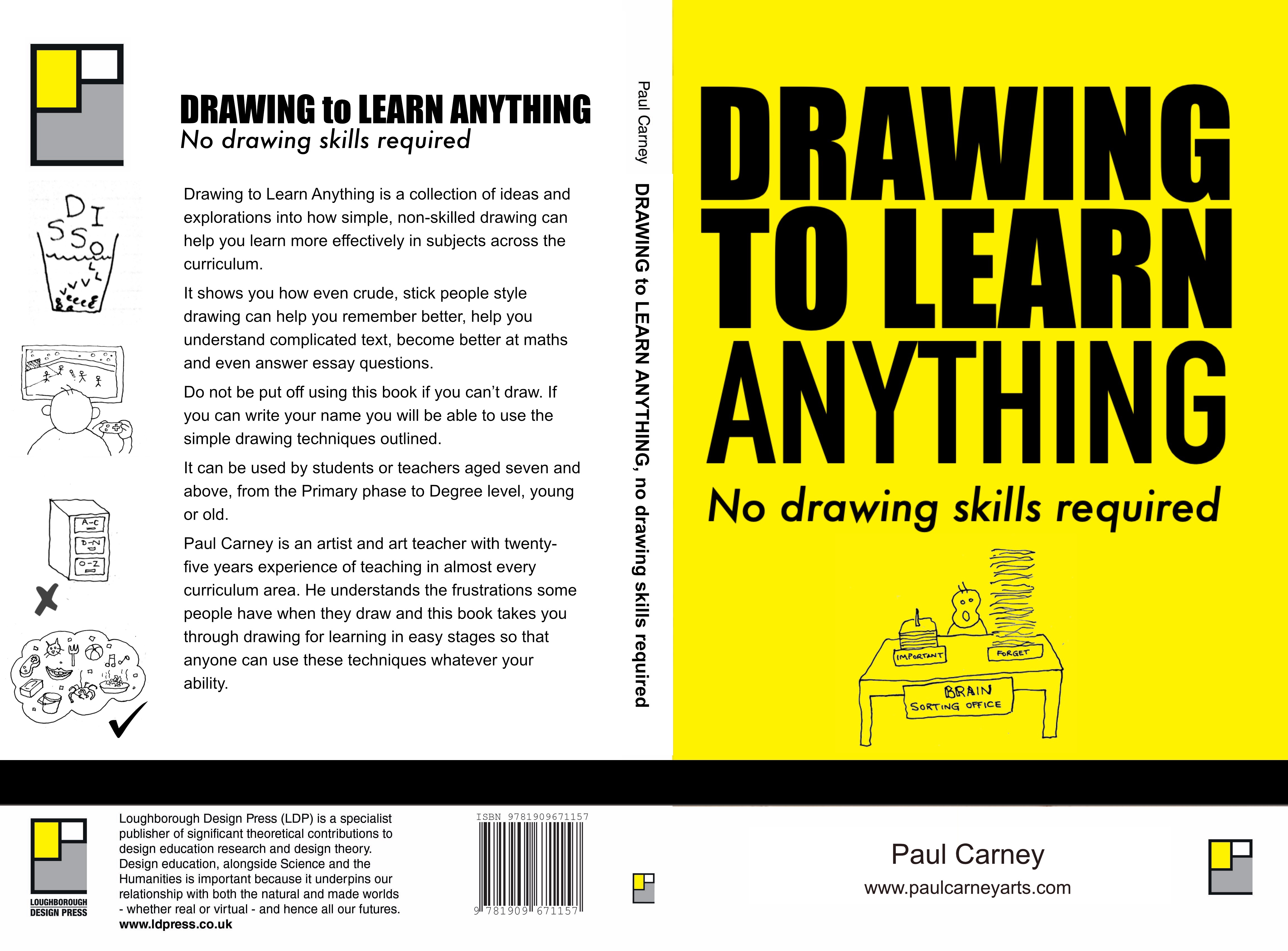
Drawing to Learn Anything
Drawing to Learn Anything is a collection of ideas and explorations into how simple, non-skilled drawing can help you learn more effectively in subjects across the curriculum. It shows you how even crude, stick people style drawing can help you… Continue reading
-
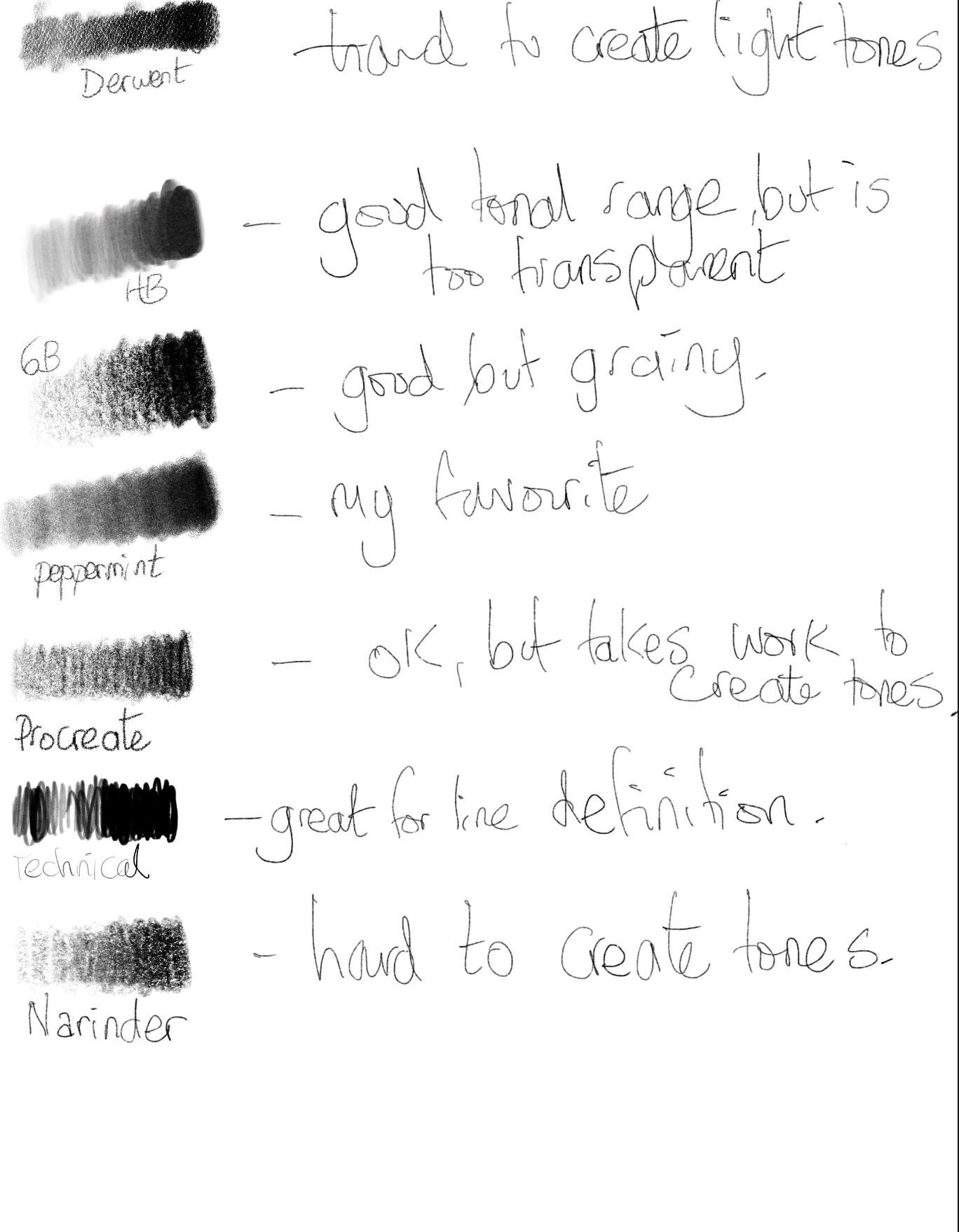
Digital drawing
I am a lifelong artist, especially in the field of drawing, aged 57 years. I feel comfortable working in a variety of styles; literal or abstract, I work across a wide range of mediums and on a variety of scales,… Continue reading
-
Memory is human. The Hidden Half of Pedagogy.
Education is made up of a wide range of disciplines and delivered (usually) in classrooms to children aged three upwards. No two schools are identical, no class of children the same, some areas are affluent, some deprived. The education of… Continue reading
-
The best way to remember something is to make it memorable.
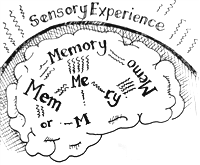
Memory is an emotional, sensory and experiential process. Spaced retrieval is one way we can remember better, but there are other techniques have been shown to be just as, if not more, effective. The first way we remember anything is… Continue reading
-
Copying the ‘masters’.
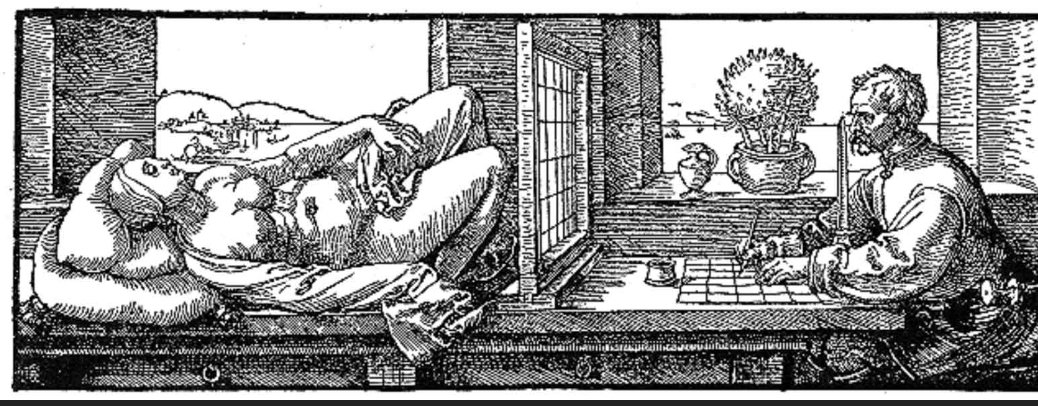
“The artist must imitate one of three objects: things as they were or are, things as they are said or thought to be, or things as they ought to be.” Aristotle 4th century BCE Aristotle’s Poetics Copying, mimesis, or iteration,… Continue reading
-
Metabolic Innovation in Biology; Life’s Creative mechanisms
Creativity in nature requires a huge variety of diverse possibilities and an incredible genotype network to support an almost infinite range of options. All life is made up of cells and there are many many different types. Cells work in… Continue reading
-
Drawing for Science, Invention & Discovery
This book is aimed at all the scientists, mathematicians, engineers, pioneers and thinkers out there who understand the value of creative thinking in their field. It identifies some of the key cognitive processes that drive innovation, invention and discovery. They… Continue reading

-
Drawing for Anatomy
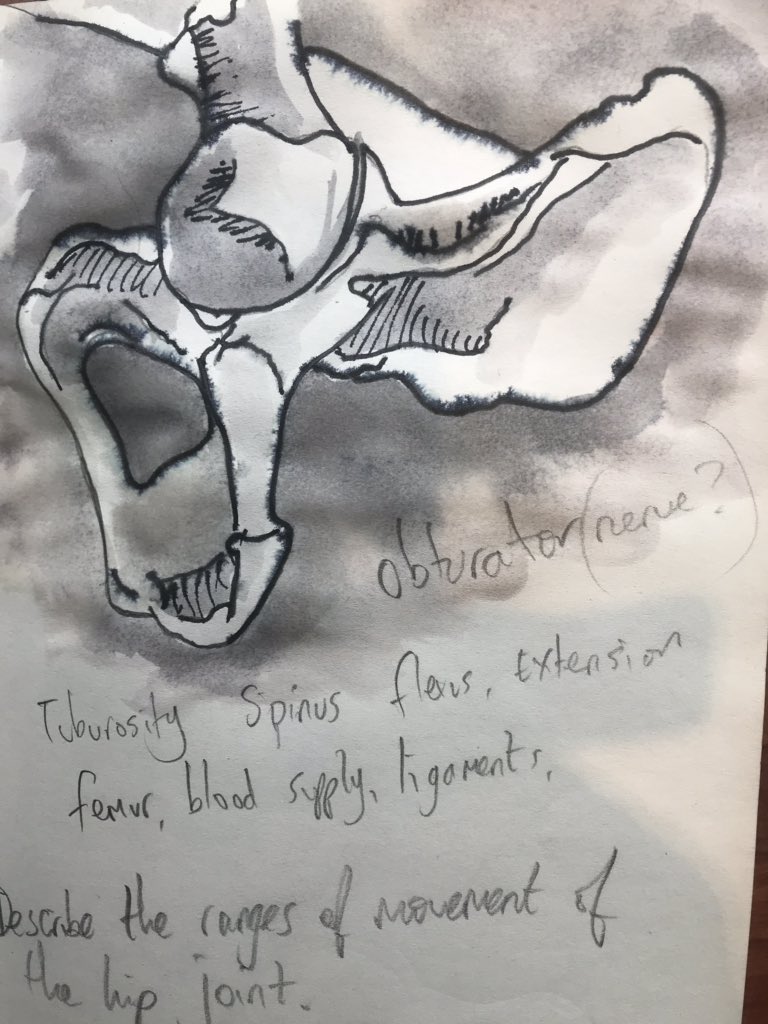
I observed a second-year medical students’ practical anatomy session at the school of medical education, Newcastle University in May 2019 under the tutelage of Doctor Joanna Matthan. It was a great honour to be given an insight into this important… Continue reading
-
Creativity Myths
Creativity arises naturally as a result of knowing more The most knowledgeable people aren’t necessarily the most creative. In fact, it’s often the naive newcomer with a fresh pair of eyes that makes a breakthrough. Increasing knowledge means increasing awareness… Continue reading
-
Durer Drawing and Printmaking
A great drawing or printmaking lesson idea for linking traditional practice to the present day. Continue reading

-
Memory Art
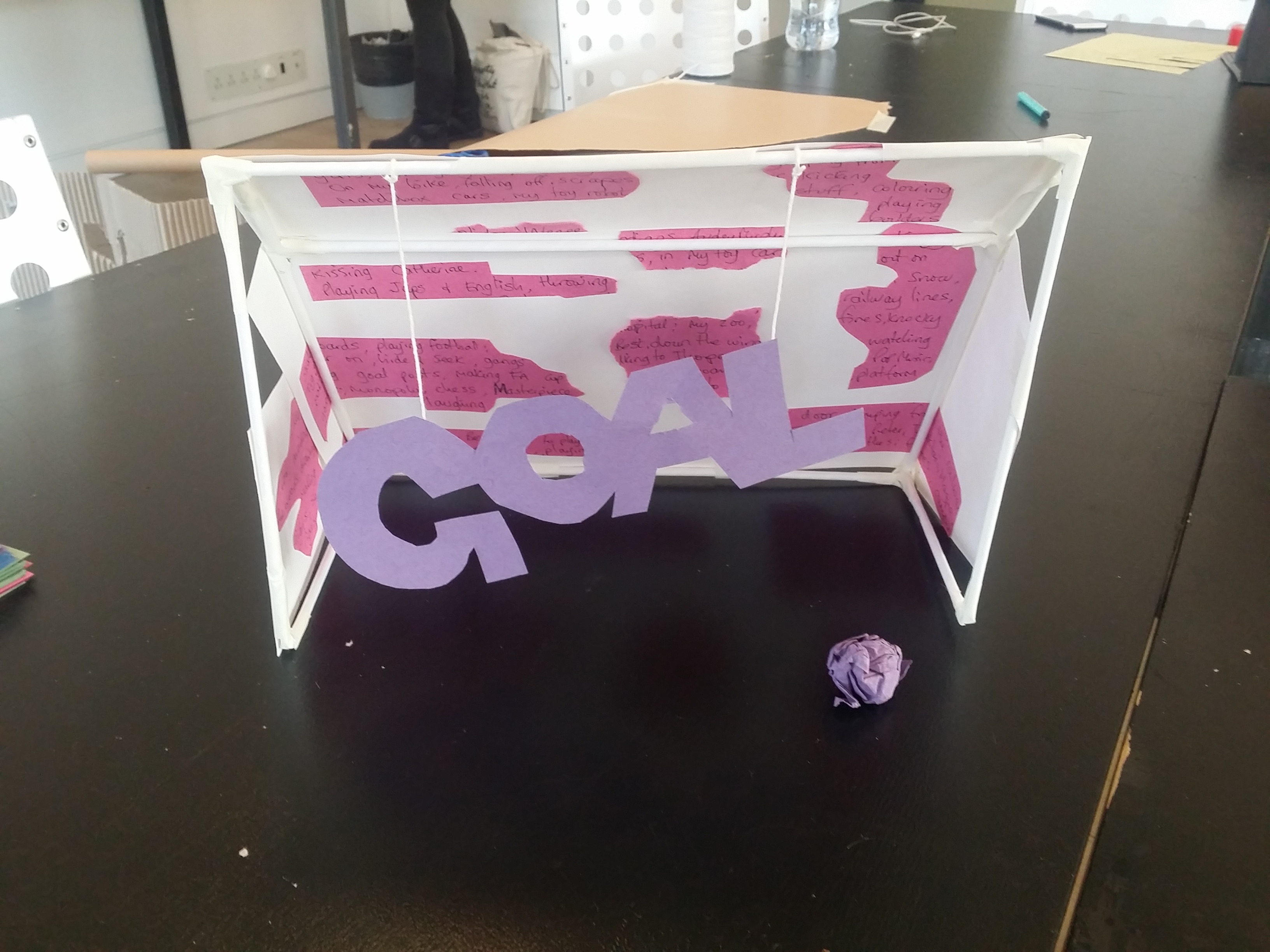
Memory Art I learned this exercise from a session i did at the Baltic Quays gallery, Gateshead. It was in a session done by art teacher Elinor Brass so it isn’t mine, but I’m sure she won’t mind me sharing it… Continue reading
-
Progression in Art & Design using revised Blooms
Revised Blooms Learning Objectives for Art & Design that facilitate progression. Continue reading

-
Does anyone know of an artist who does . . . ?
Good art teaching comes from the development of planning that opens minds, it doesn’t direct outcomes. Continue reading

-
Idea Mining
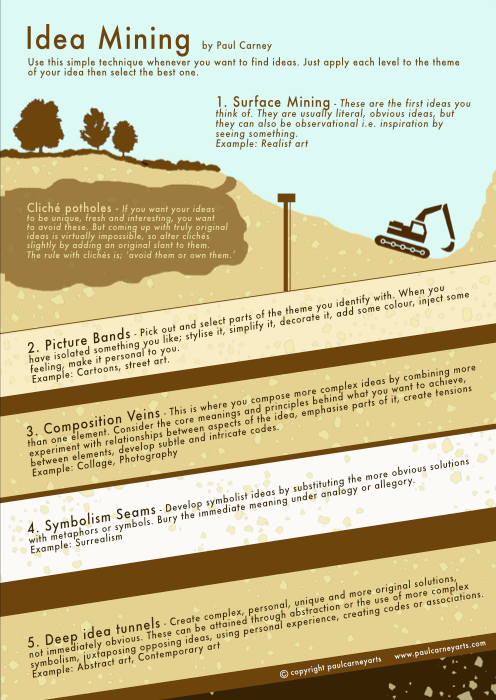
Idea Mining – This art lesson involves applying the objective or purpose of the idea to different thinking strands, to facilitate the more complex production of ideas. Continue reading
You must be logged in to post a comment.