Creativity
-
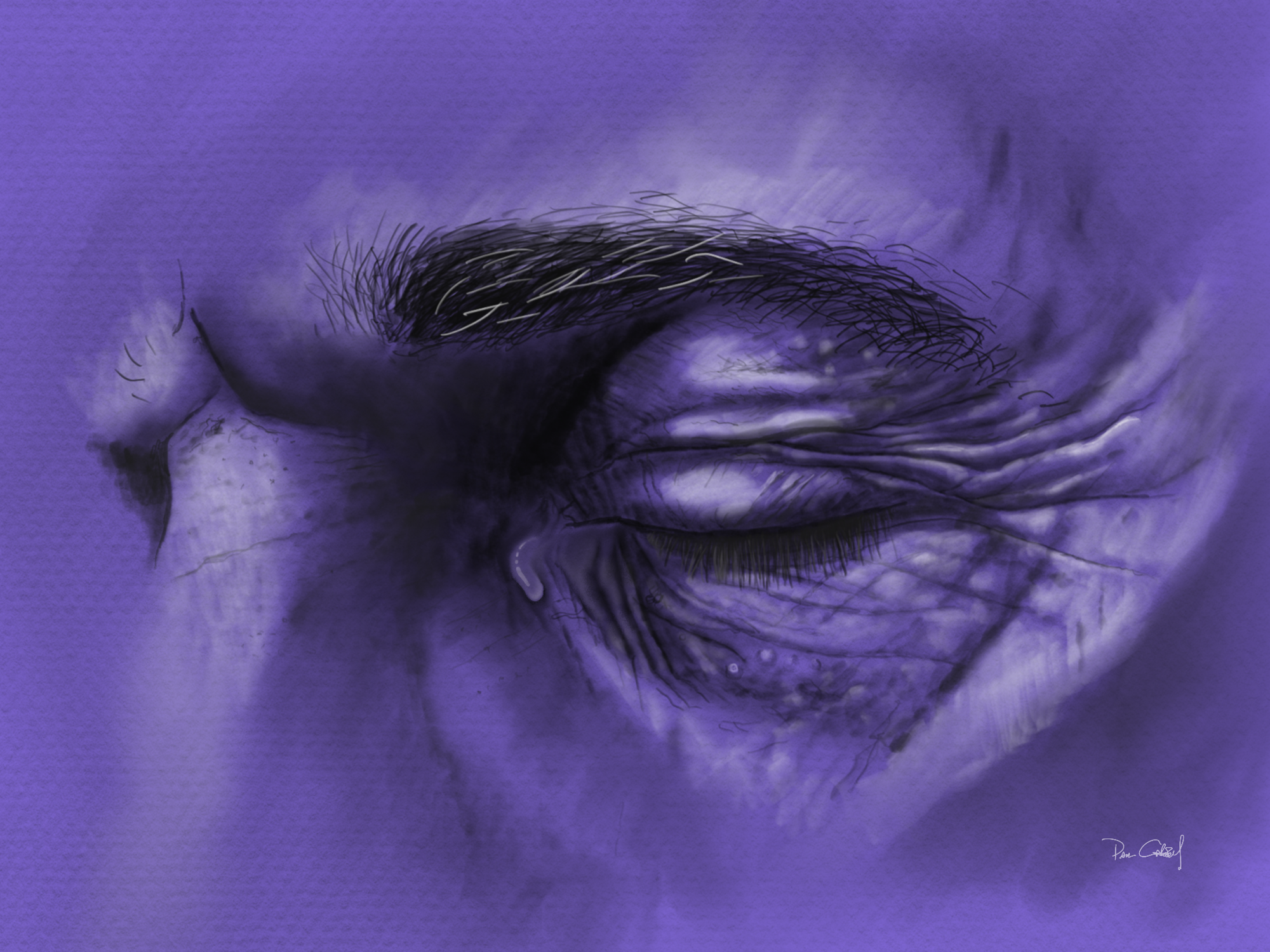
Man of Constant Sorrow
When I was around 16, I drew an old man’s crying eye, which I always loved. Fast forward 47 years and it’s me who is the sorrowful man! I don’t have the original drawing but since it always stuck in… Continue reading
-
Microbe Series 2
Microbes 2 – pencil on paper. Another very satisfying transfer of digital drawings into traditional media. There’s something beautiful about this subject matter combined with the process of drawing. #drawing #microbes #scienceart Continue reading

-
Is Starry Night a religious painting?
Starry Night by Vincent Van Gogh is a hugely symbolic painting which represented his feelings about the afterlife. He wrote to his brother Theo that he had a “tremendous need for, shall I say the word—for religion—so I go outside… Continue reading

-
Where are your missing years?
Are your childhood memories real? I was dismayed when listening to a podcast: The Guardian Science Weekly: where do our early childhood memories go? with Nick Turk-Browne, a professor of psychology at Yale University, to learn that in his professional… Continue reading

-
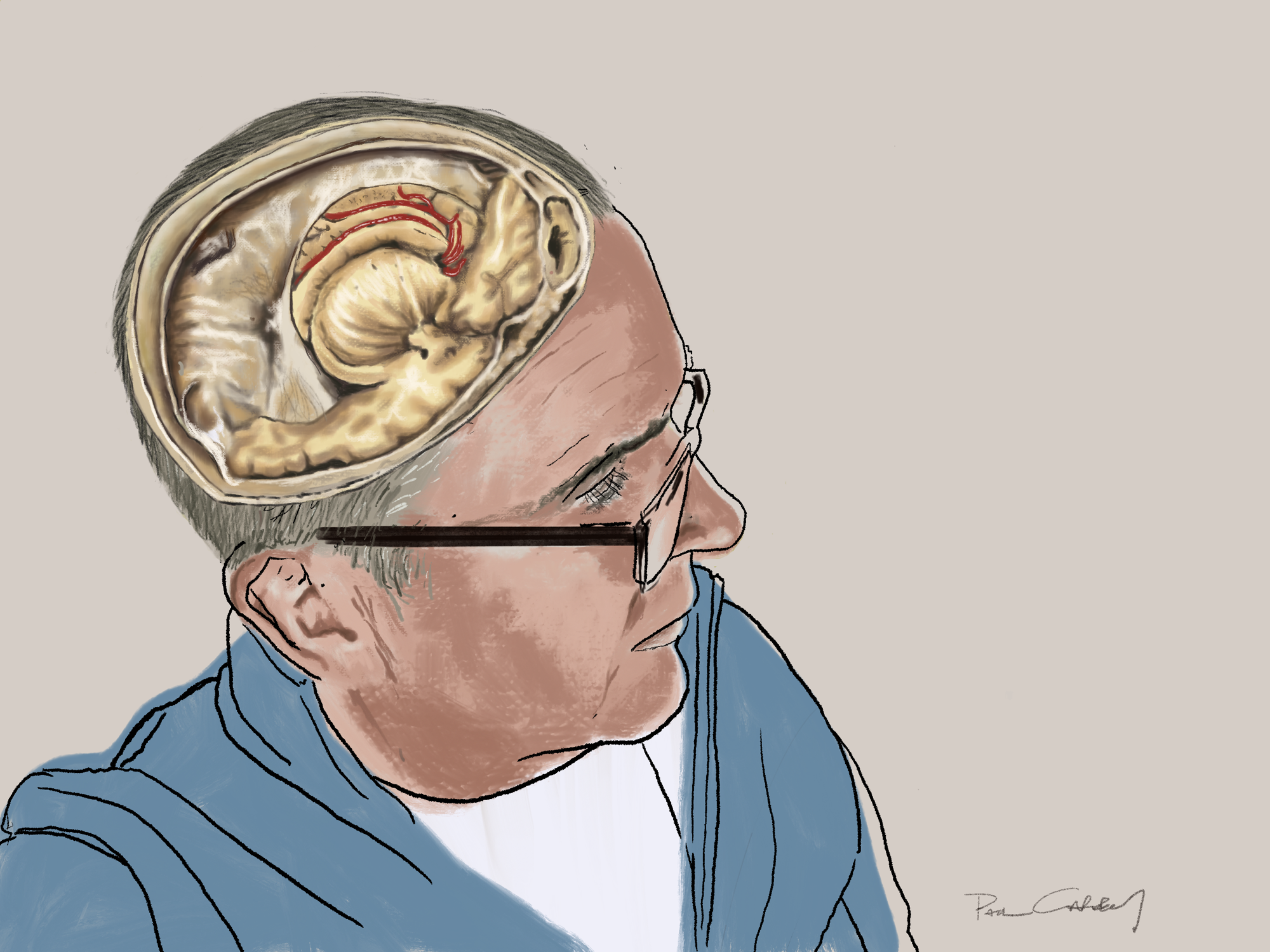
The hard problem of Paul
What is it about us that makes us, us? What is it that makes our conscious experience? Scientists and philosophers battle it out to try to define it, but in the end, we just have to sit back and enjoy… Continue reading
-
Art and philosophy
Kenshō philosophy believes in seeing nature as it is, by aesthetic, rather than rational means. I love this quote by Japanese philosopher Kitaro Nishida: ‘It is the artist not the scholar, who arrives at the true nature of reality.’ We… Continue reading

-
Abstract Art
When I was an art student, many moons ago, I hated abstract art. Back then, I believed that art required skill to be ‘good’. I thought that art was a craft that needed to be honed and developed. Abstract artists,… Continue reading

-
Four types of play that help us be more creative
Play is a profound way to learn and is inherent to our species. We can formulate play activities, engineer them in ways that facilitate particular experiences. In other words, we can teach it. #creativitycanbetaught 1. Conceptual Blending Combine or juxtapose… Continue reading

-
Creative Choice
Some teachers believe that we need to master skills before we can be creative. They say that creativity cannot be properly realised without the skill to express it. So, they might narrow the creative activity to focus on mastering a… Continue reading

-
You CAN teach creativity
By Paul Carney http://www.paulcarneyarts.com Some very knowledgeable people say ‘you can’t teach creativity’. You can. As a creative teacher, I teach people how to be creative all the time. I can teach you the historical processes by which inventions and… Continue reading

-
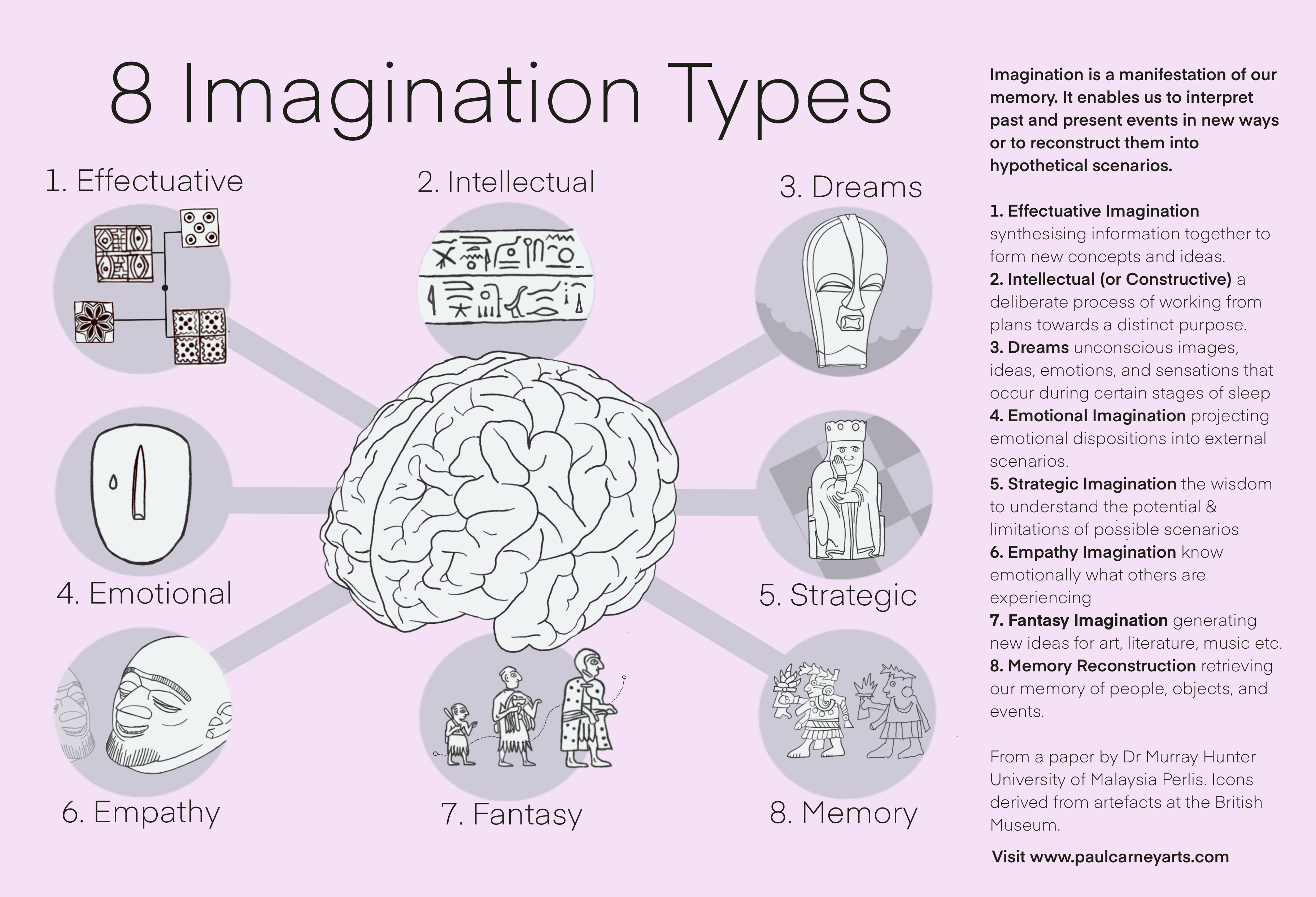
Developing imagination in learners
Imagination is the foundation of all inventiveness and innovation. It is uniquely human, and with it, we have been able to think, design, conceive, construct and develop our whole human society. Imagination is a powerful tool for learning and with… Continue reading
-
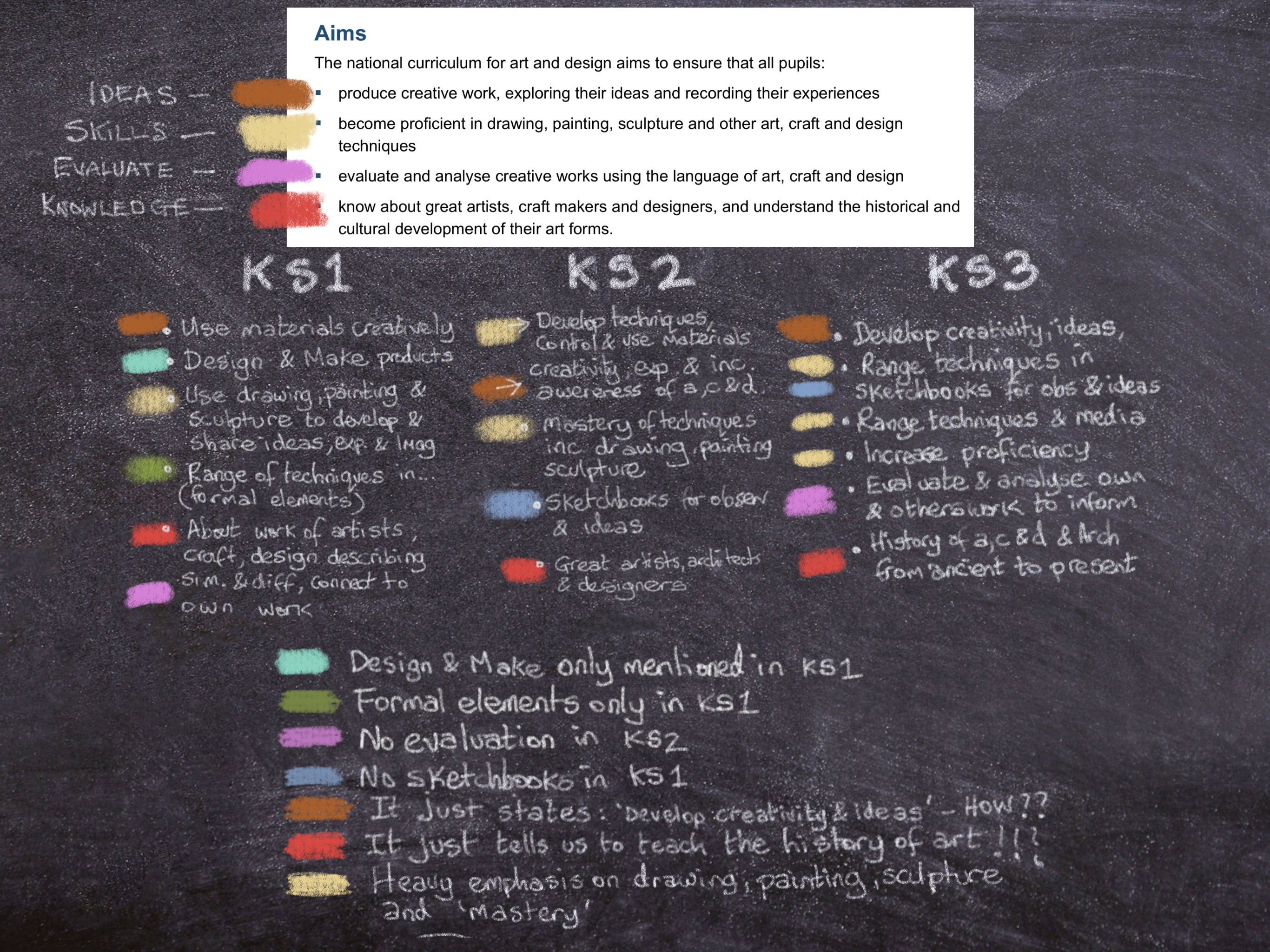
Sequencing learning in art and design? Don’t ask the DfE!
Schools all over England are being judged by Ofsted on their ability to sequence learning and progression in the subject, despite the fact that the national curriculum for art and design in England isn’t properly sequenced and it’s progression of… Continue reading
-
It’s patently clear what the UK’s creativity problem is…
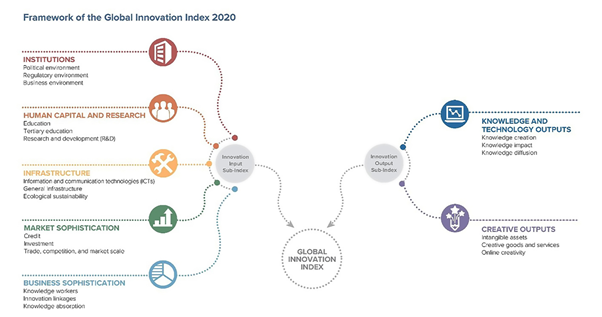
The UK has been ranked as the 6th most innovative nation in the world by the Global Innovation Initiative in 2020. There is a lot we can be proud of. But if we are to improve our global position then… Continue reading
-
Memory is human. The Hidden Half of Pedagogy.
Education is made up of a wide range of disciplines and delivered (usually) in classrooms to children aged three upwards. No two schools are identical, no class of children the same, some areas are affluent, some deprived. The education of… Continue reading
-
The best way to remember something is to make it memorable.
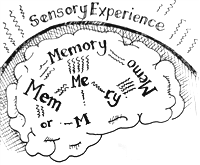
Memory is an emotional, sensory and experiential process. Spaced retrieval is one way we can remember better, but there are other techniques have been shown to be just as, if not more, effective. The first way we remember anything is… Continue reading
-
Copying the ‘masters’.
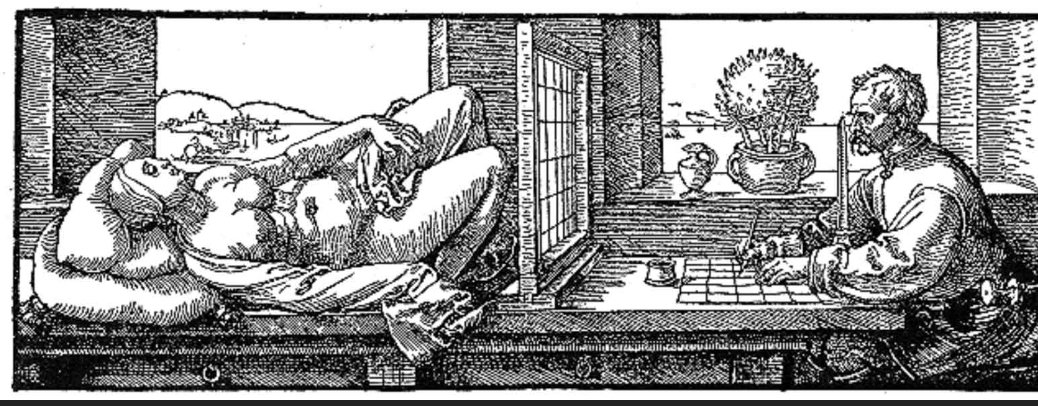
“The artist must imitate one of three objects: things as they were or are, things as they are said or thought to be, or things as they ought to be.” Aristotle 4th century BCE Aristotle’s Poetics Copying, mimesis, or iteration,… Continue reading
-
Metabolic Innovation in Biology; Life’s Creative mechanisms
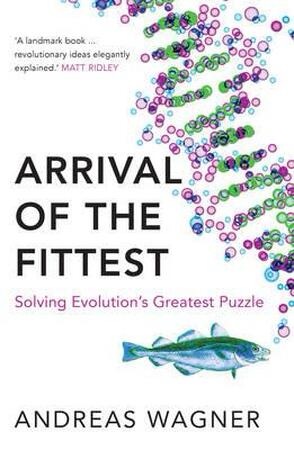
Creativity in nature requires a huge variety of diverse possibilities and an incredible genotype network to support an almost infinite range of options. All life is made up of cells and there are many many different types. Cells work in… Continue reading
-
Drawing for Science, Invention & Discovery
This book is aimed at all the scientists, mathematicians, engineers, pioneers and thinkers out there who understand the value of creative thinking in their field. It identifies some of the key cognitive processes that drive innovation, invention and discovery. They… Continue reading

-
Drawing for Anatomy
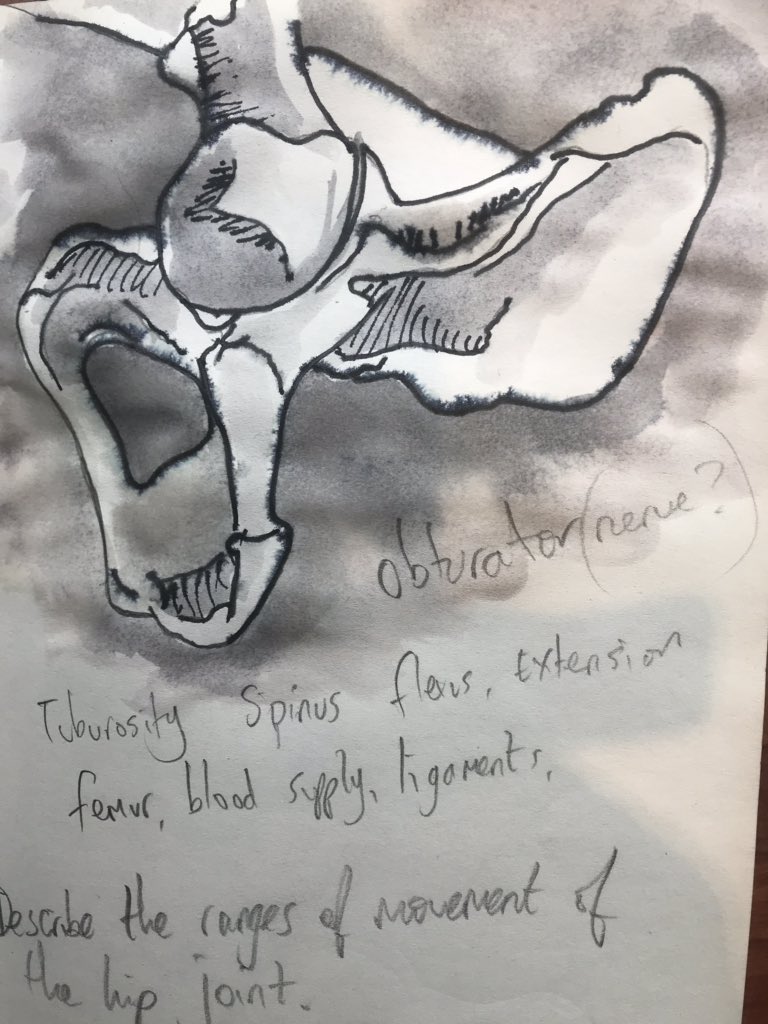
I observed a second-year medical students’ practical anatomy session at the school of medical education, Newcastle University in May 2019 under the tutelage of Doctor Joanna Matthan. It was a great honour to be given an insight into this important… Continue reading
-
Creativity Myths
Creativity arises naturally as a result of knowing more The most knowledgeable people aren’t necessarily the most creative. In fact, it’s often the naive newcomer with a fresh pair of eyes that makes a breakthrough. Increasing knowledge means increasing awareness… Continue reading
You must be logged in to post a comment.