Uncategorised
-
Education education education
What advice would you give to your teenage self? Stop dreaming and finish your education. Everything good will come to you from education. Continue reading
-
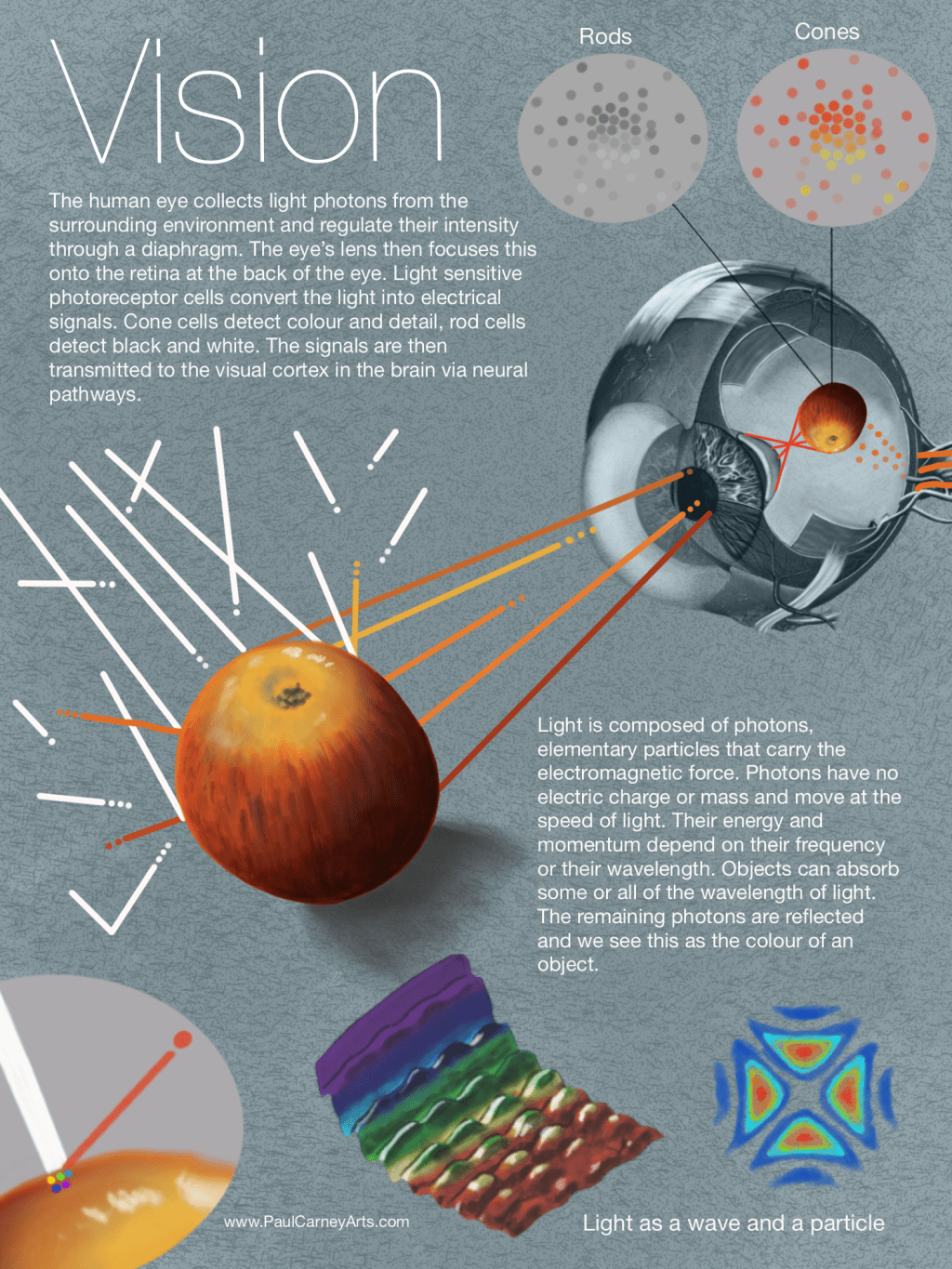
Vision and its impact on learning
Outside-In model of seeing I’ve thought long and hard in the past about vision; how do we see and how is vision processed in the brain? Now, I’m an artist, not a biologist or scientist, but it seems natural to… Continue reading
-
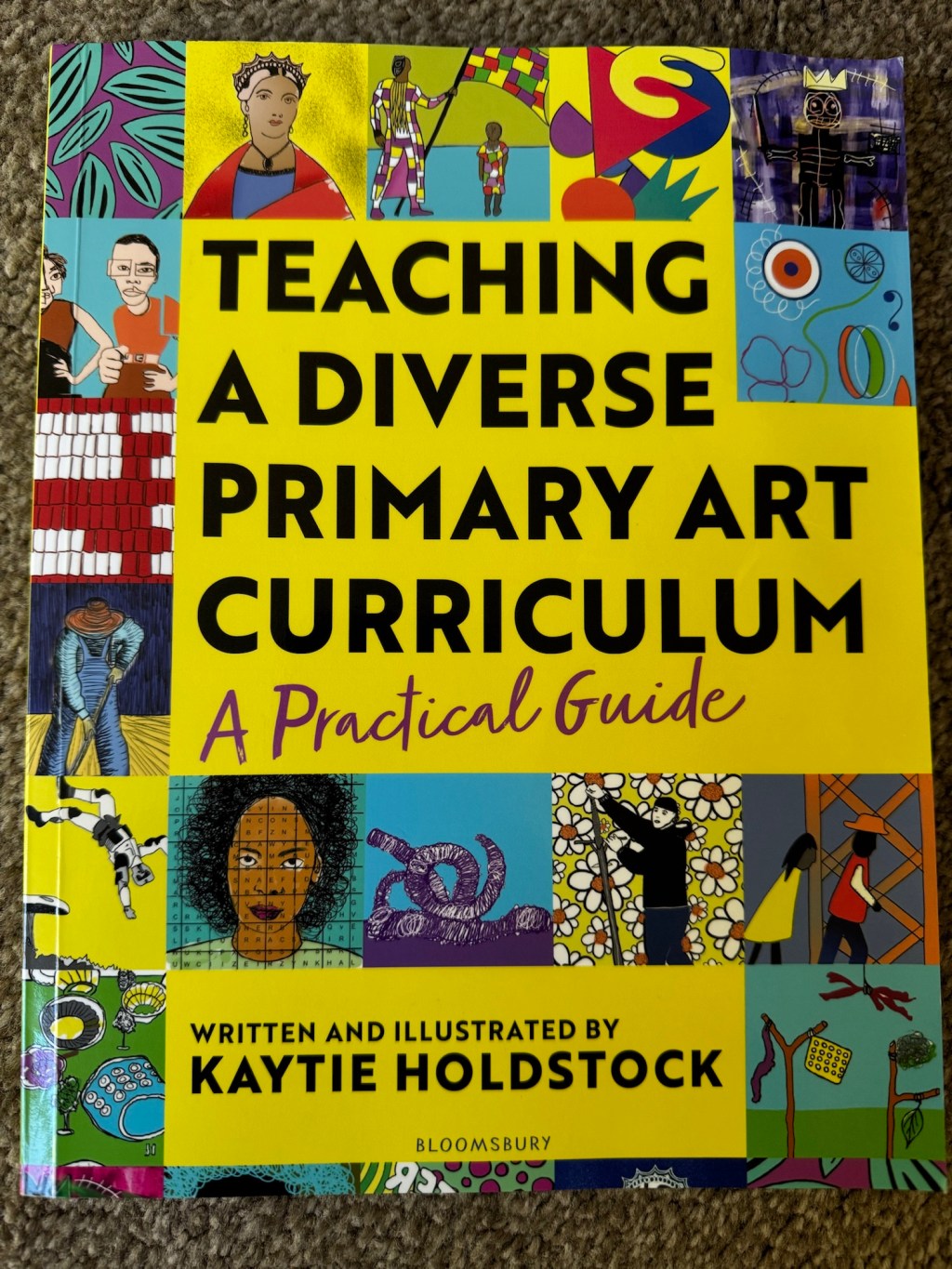
Book Review
Teaching a diverse primary art curriculum, a practical guide written and illustrated by Kaytie Holdstock Coming on the back of the Visualise: Race & Inclusion in Art Education report into diversity in art and design education, Kaytie Holdstock’s new book… Continue reading
-
The Beatles’ Creative Influences
The Beatles were some of the most creative people who have graced popular culture. So, what inspired the Beatles songwriting and how might we use this to inform our own creativity? Here are some examples I recorded from Paul and… Continue reading

-
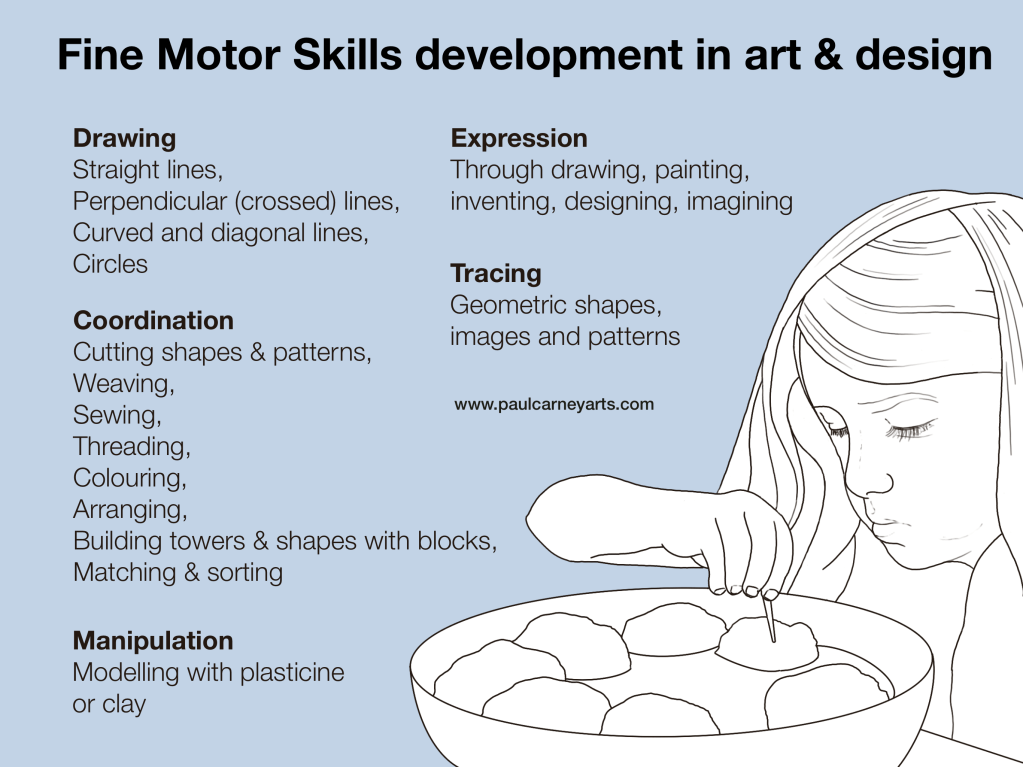
Fine Motor Skills in Art
When we think of pupils making progress in art, we tend to think of pupils developing their skills or abilities in separate domains such as drawing, painting, sculpture, printmaking and so on. Certainly, that’s the way most school progression maps… Continue reading
-
A Potted History of Art Pedagogy
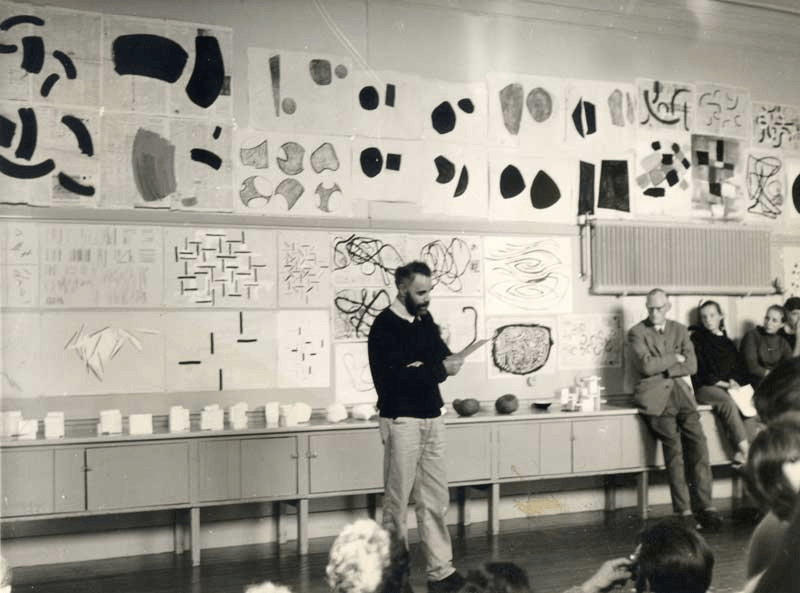
‘Pedagogy, most commonly understood as the approach to teaching, is the theory and practice of learning, and how this process influences, and is influenced by, the social, political and psychological development of learners. Pedagogy, taken as an academic discipline, is… Continue reading
-
Art is dead. Long live AI
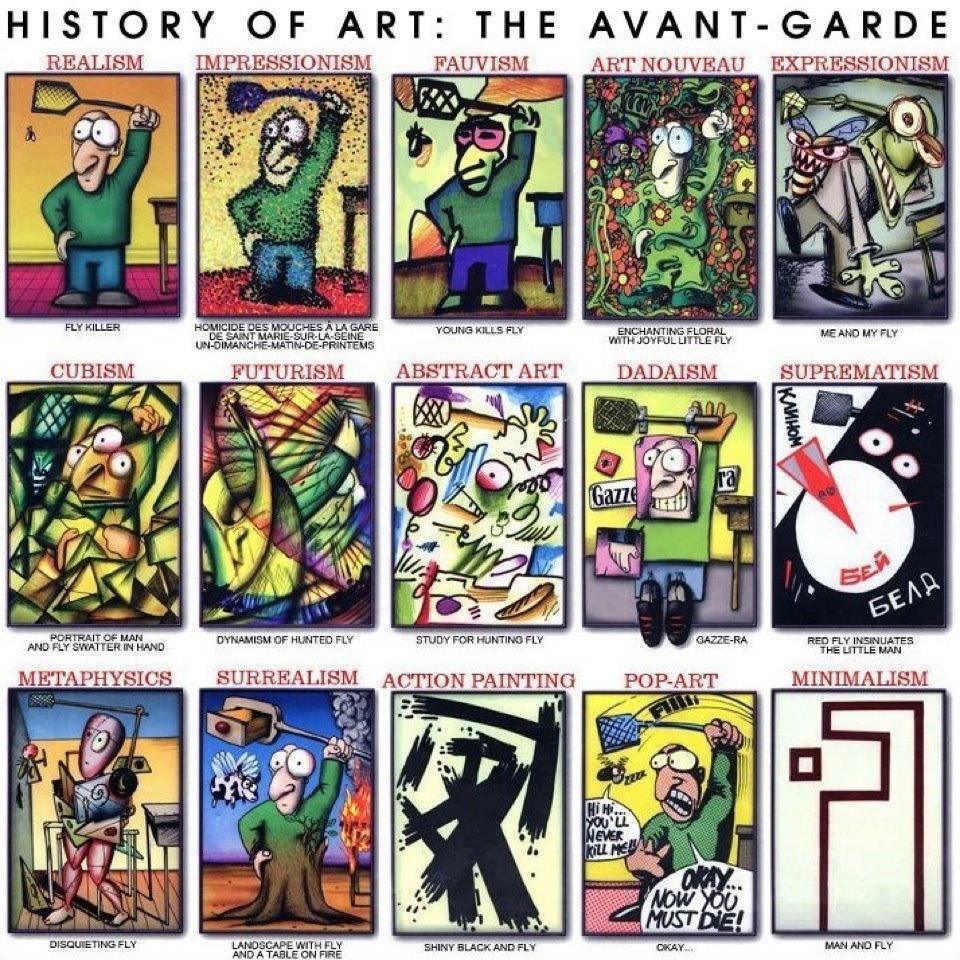
Art is dead. Surely, artists are redundant now that we can just pop a few prompts into an AI engine and get a stunning piece of art? Artificial Intelligence software can produce new images based on a set of parameters… Continue reading
-
Creative Choice
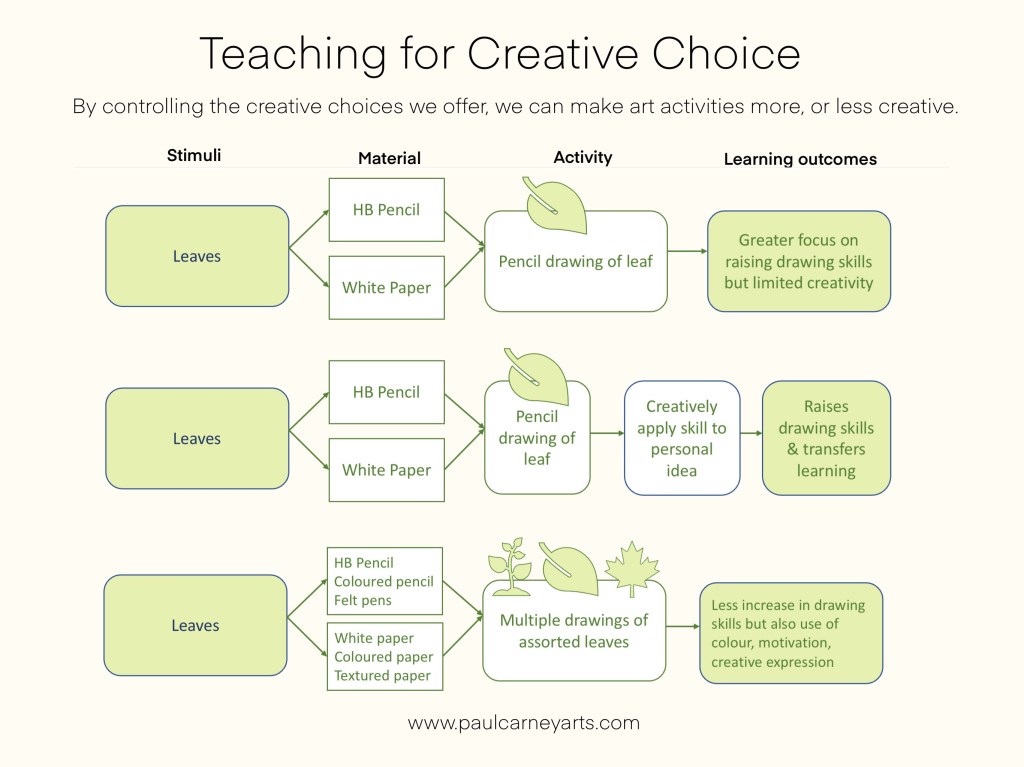
Some teachers believe that we need to master skills before we can be creative. They say that creativity cannot be properly realised without the skill to express it. So, they might narrow the creative activity to focus on mastering a… Continue reading
-
You CAN teach creativity
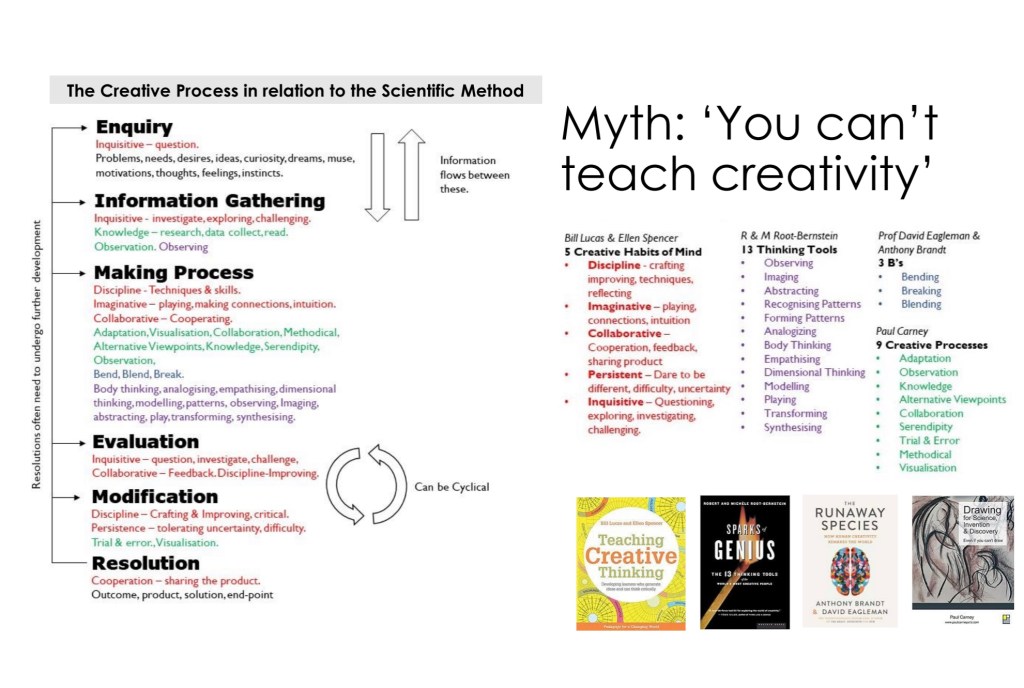
By Paul Carney http://www.paulcarneyarts.com Some very knowledgeable people say ‘you can’t teach creativity’. You can. As a creative teacher, I teach people how to be creative all the time. I can teach you the historical processes by which inventions and… Continue reading
-
Developing imagination in learners
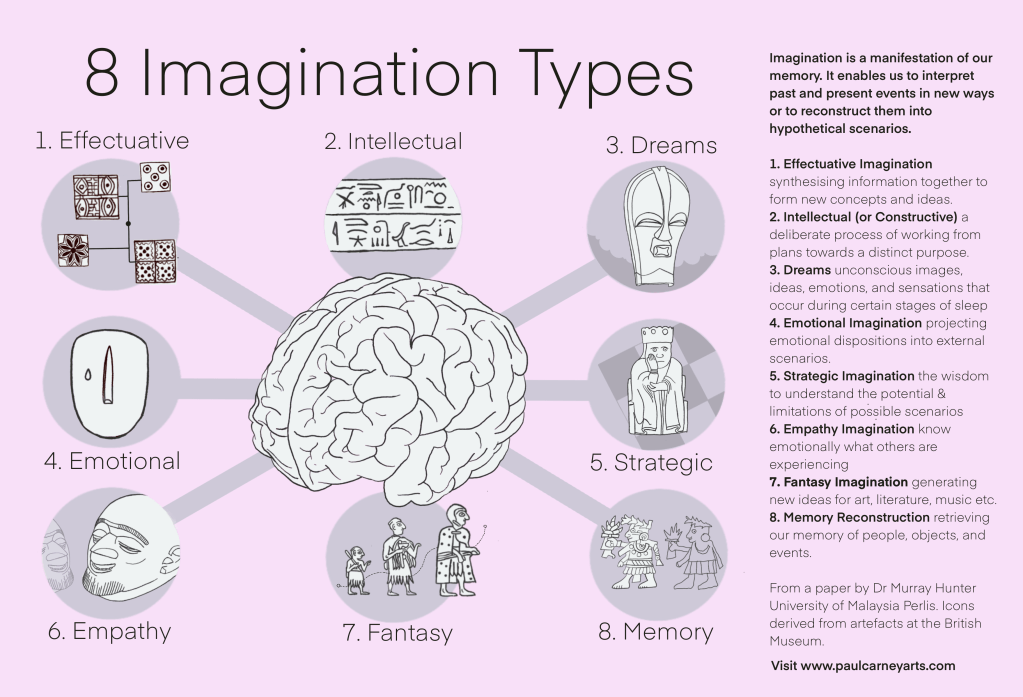
Imagination is the foundation of all inventiveness and innovation. It is uniquely human, and with it, we have been able to think, design, conceive, construct and develop our whole human society. Imagination is a powerful tool for learning and with… Continue reading
-
Schemas
The term schema refers to the cognitive structures we have to describe various categories of knowledge about the world. Theorist Jean Piaget introduced the term schema, and they are linked to his theory of cognitive development, which said that children… Continue reading

-
Artistic development in Children
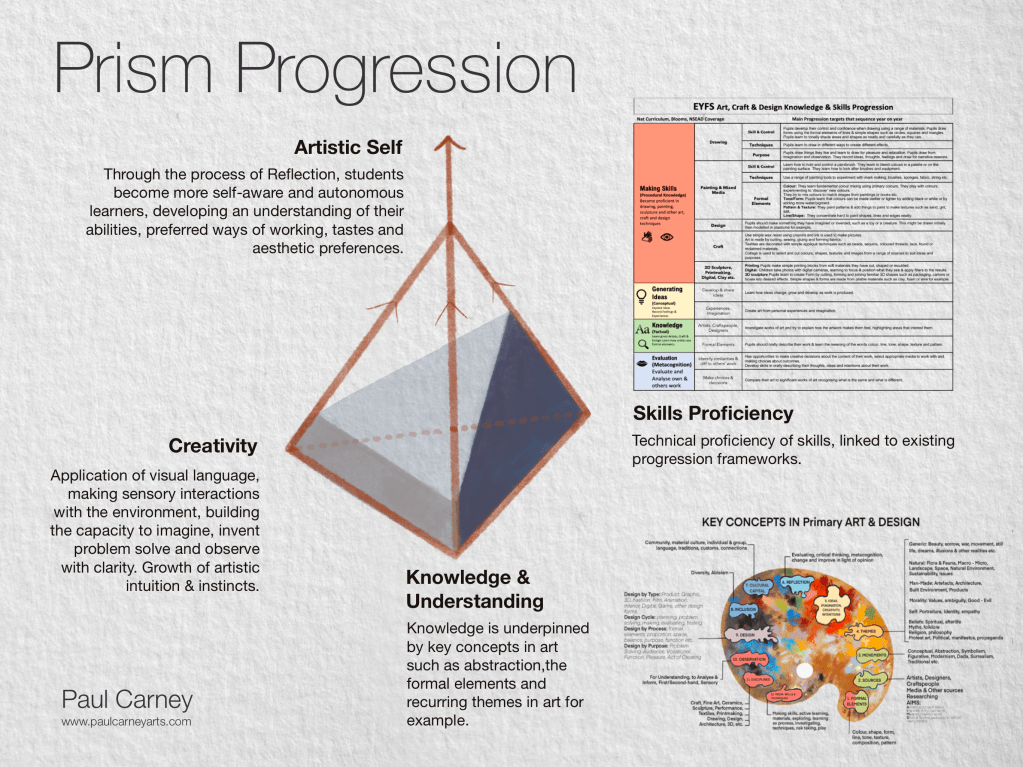
By Paul Carney This blog post contains extracts from an essay by Anna Kindler – Art in early Childhood “One man may sketch something with his pen on half a sheet of paper in one day, or may cut it… Continue reading
-
Sequencing learning in art and design? Don’t ask the DfE!
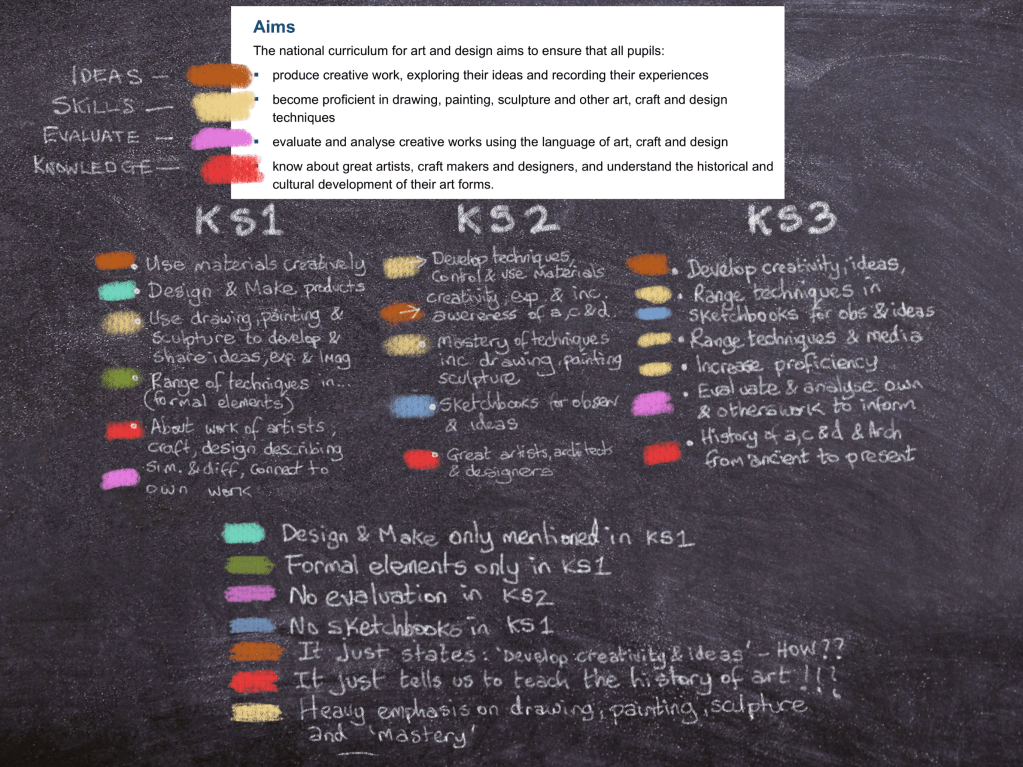
Schools all over England are being judged by Ofsted on their ability to sequence learning and progression in the subject, despite the fact that the national curriculum for art and design in England isn’t properly sequenced and it’s progression of… Continue reading
-
Art and Design Process
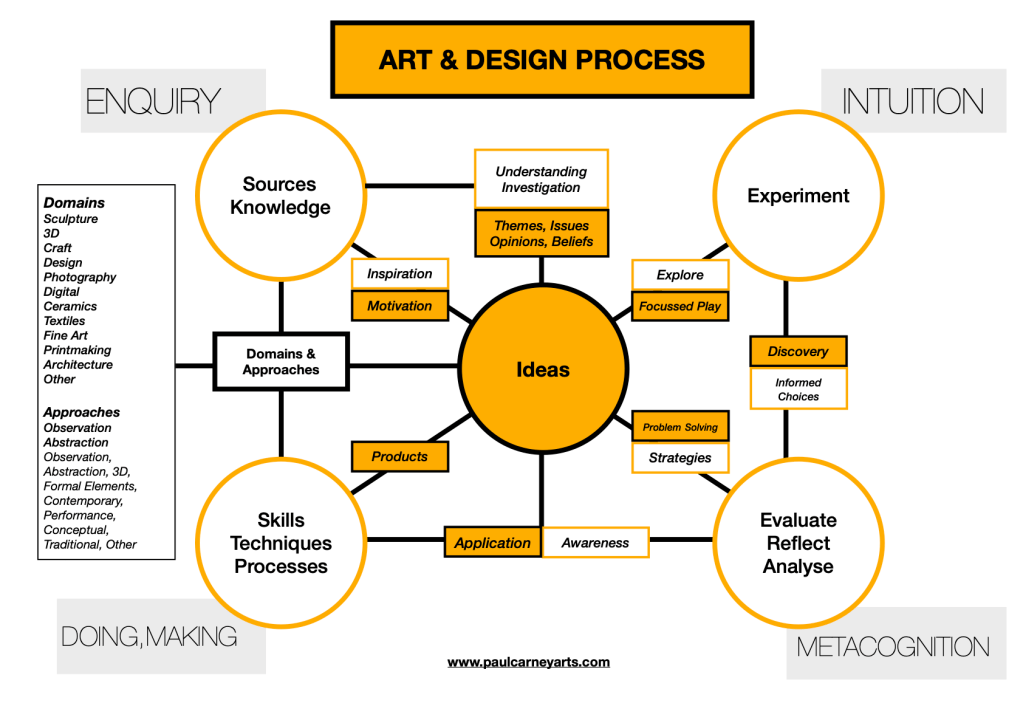
Making art is a complex, diverse process that can take many forms and be shaped by a wide range of factors. I’ve attempted to outline the main ones in a series of graphic organisers that could help teachers plan activities… Continue reading
-
Digital drawing
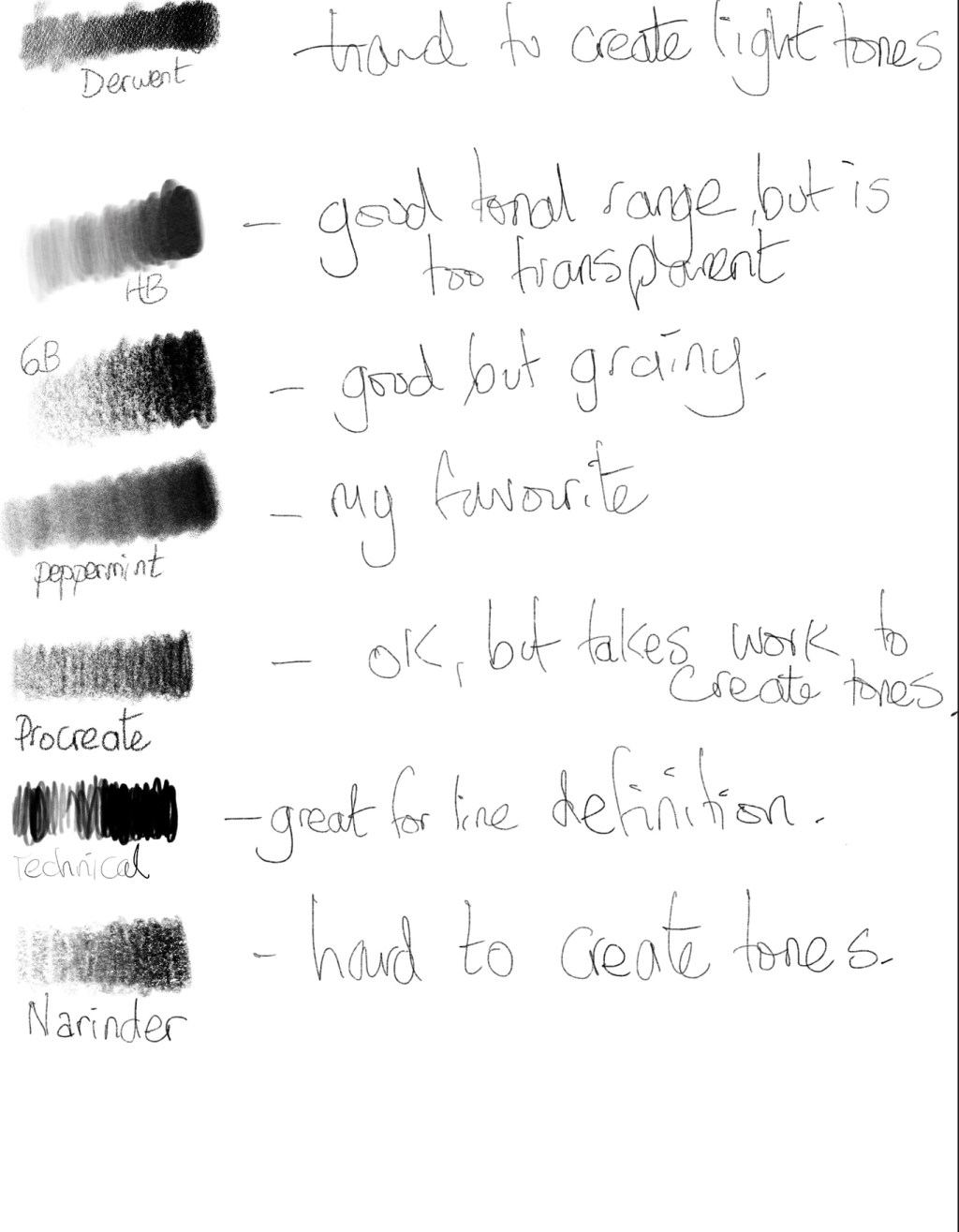
I am a lifelong artist, especially in the field of drawing, aged 57 years. I feel comfortable working in a variety of styles; literal or abstract, I work across a wide range of mediums and on a variety of scales,… Continue reading
-
It’s patently clear what the UK’s creativity problem is…
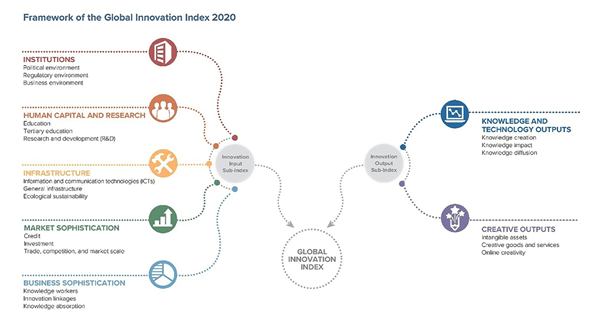
The UK has been ranked as the 6th most innovative nation in the world by the Global Innovation Initiative in 2020. There is a lot we can be proud of. But if we are to improve our global position then… Continue reading
-
Memory is human. The Hidden Half of Pedagogy.
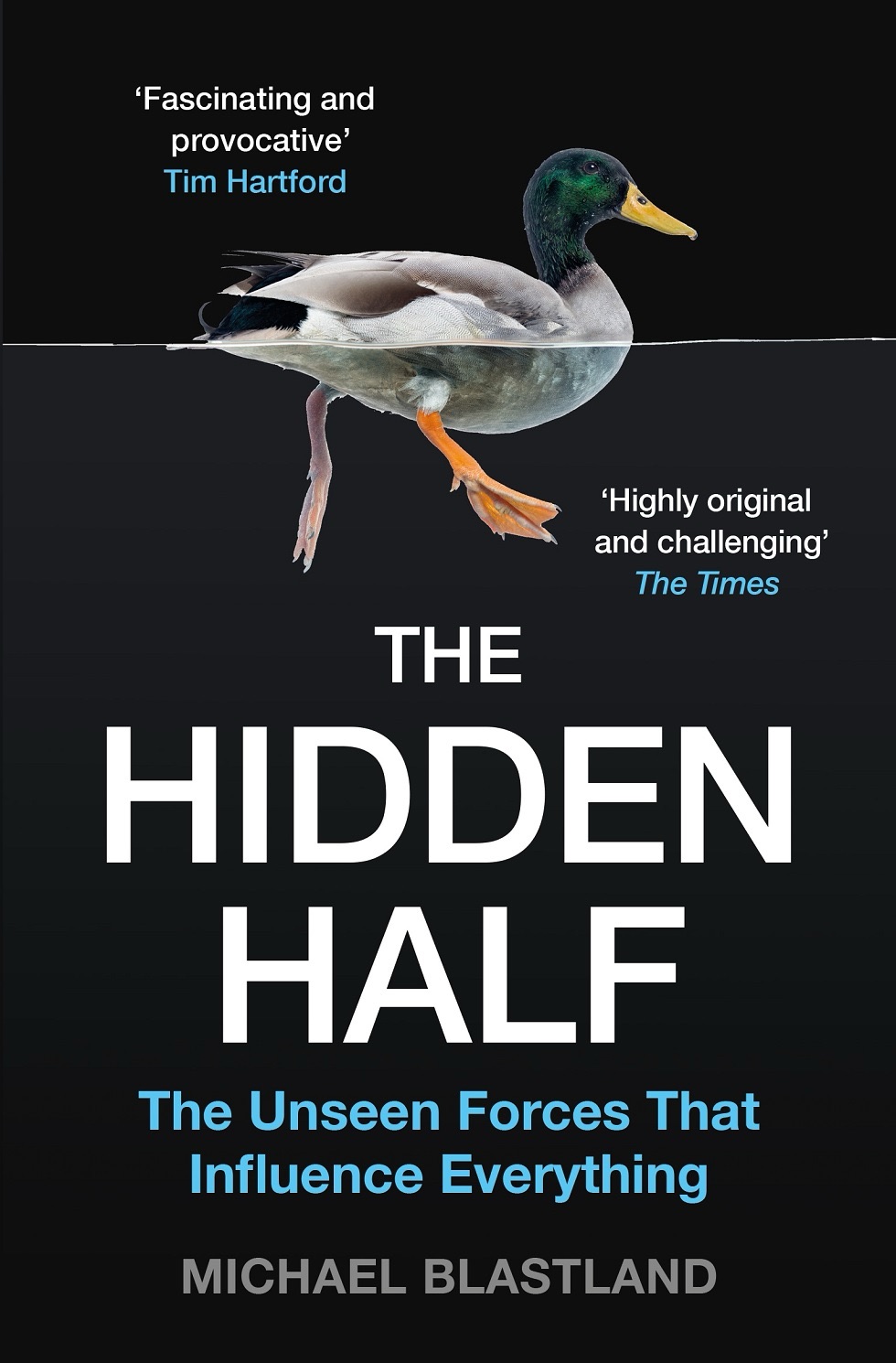
Education is made up of a wide range of disciplines and delivered (usually) in classrooms to children aged three upwards. No two schools are identical, no class of children the same, some areas are affluent, some deprived. The education of… Continue reading
-
The best way to remember something is to make it memorable.
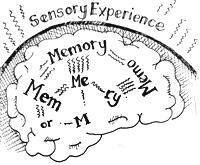
Memory is an emotional, sensory and experiential process. Spaced retrieval is one way we can remember better, but there are other techniques have been shown to be just as, if not more, effective. The first way we remember anything is… Continue reading
-
Copying the ‘masters’.
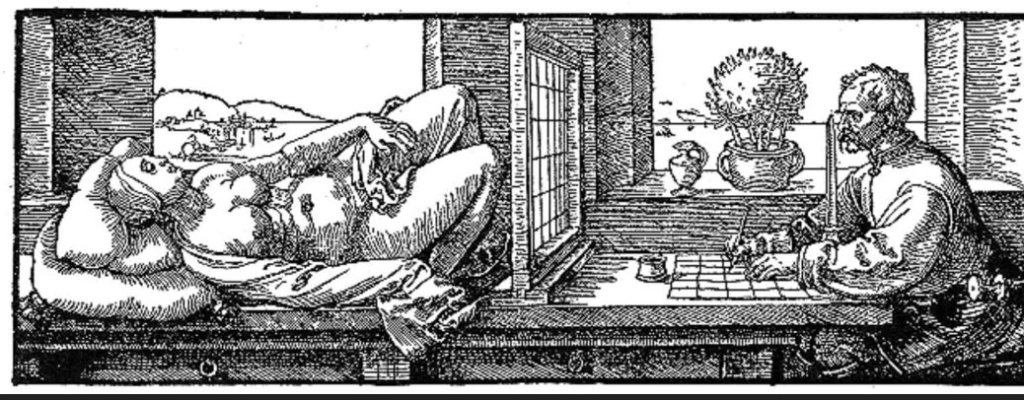
“The artist must imitate one of three objects: things as they were or are, things as they are said or thought to be, or things as they ought to be.” Aristotle 4th century BCE Aristotle’s Poetics Copying, mimesis, or iteration,… Continue reading
-
Metabolic Innovation in Biology; Life’s Creative mechanisms
Creativity in nature requires a huge variety of diverse possibilities and an incredible genotype network to support an almost infinite range of options. All life is made up of cells and there are many many different types. Cells work in… Continue reading
-
Drawing for Science, Invention & Discovery
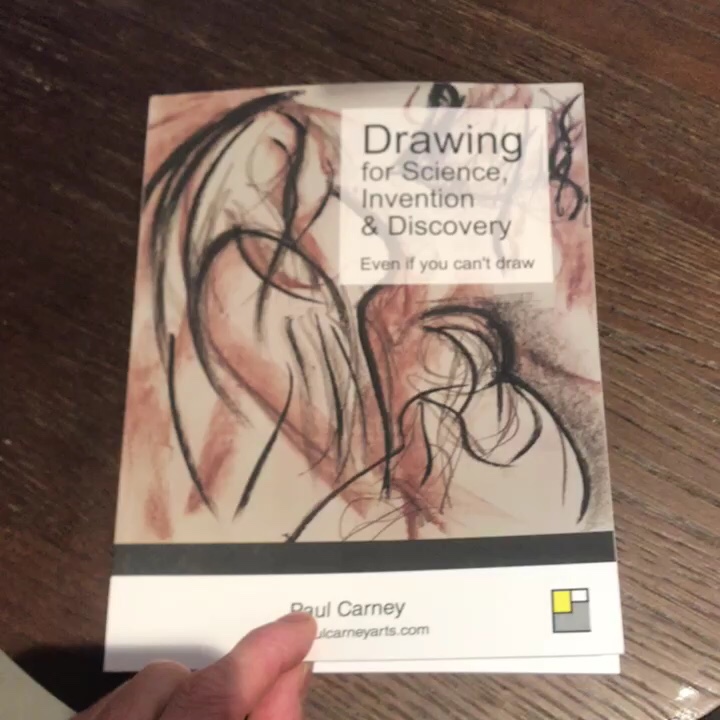
Buy it from: www.paulcarneyarts.com This book is aimed at all the scientists, mathematicians, engineers, pioneers and thinkers out there who understand the value of creative thinking in their field. It identifies some of the key cognitive processes that drive innovation,… Continue reading
-
Syllable Association Drawing (SAD) Memory Technique
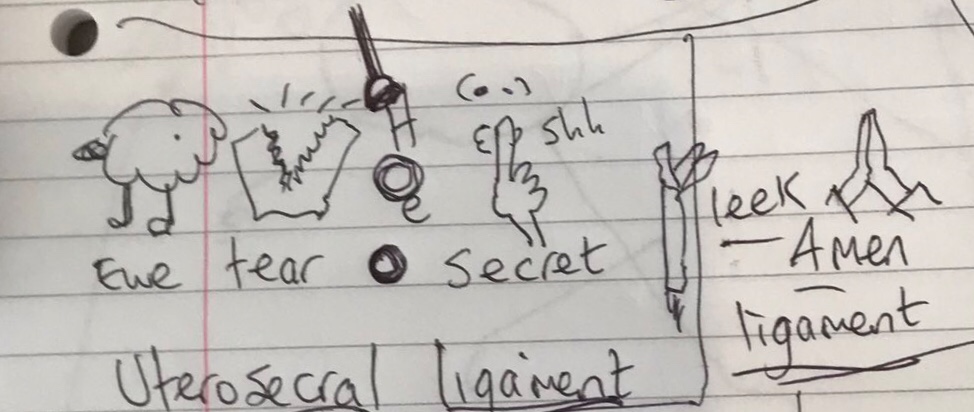
To remember complex words and terminology try the SAD technique that uses a combination of familiar, well-researched memory techniques. I don’t lay claim to inventing the memory techniques, only that I have developed a method of combining them into an… Continue reading
-
Drawing for Anatomy
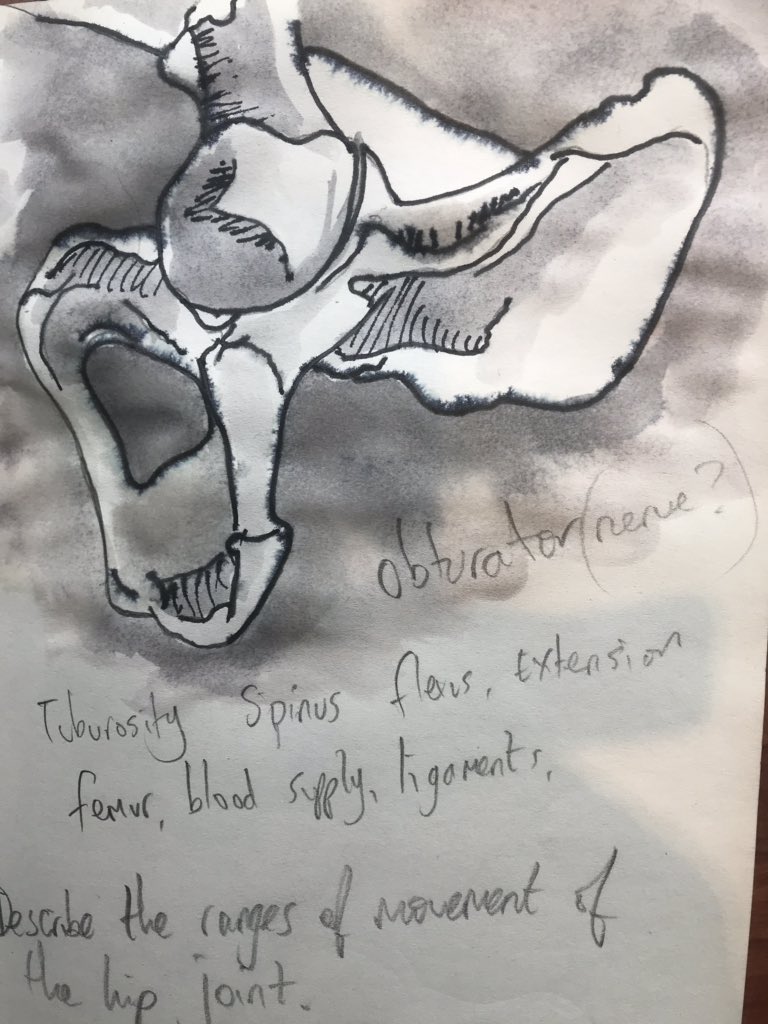
I observed a second-year medical students’ practical anatomy session at the school of medical education, Newcastle University in May 2019 under the tutelage of Doctor Joanna Matthan. It was a great honour to be given an insight into this important… Continue reading
-
I dont have a creative bone in my body…
“I dont have a creative bone in my body.” I hear this a lot. It usually comes from people who aren’t ‘arty’ types. These people believe that if they don’t make their own craft Christmas cards or attend local art… Continue reading
-
Can Creativity be taught? Yes, I do it every day.
Creativity; noun – the use of imagination or original ideas to create something. Inventiveness. Source; Oxford English Dictionary There is a general agreement among scholars that creativity involves the production of novel, useful products,” (Mumford, 2003, p. 110) however hundreds of… Continue reading
-
Perfect Child
No two things in nature are exactly the same, yet everything is made from perfect, exact particles. Nature is like some eerie living Minecraft game, where electrons and atoms simulate bricks and build incredible, unique structures. The implication of this… Continue reading
-
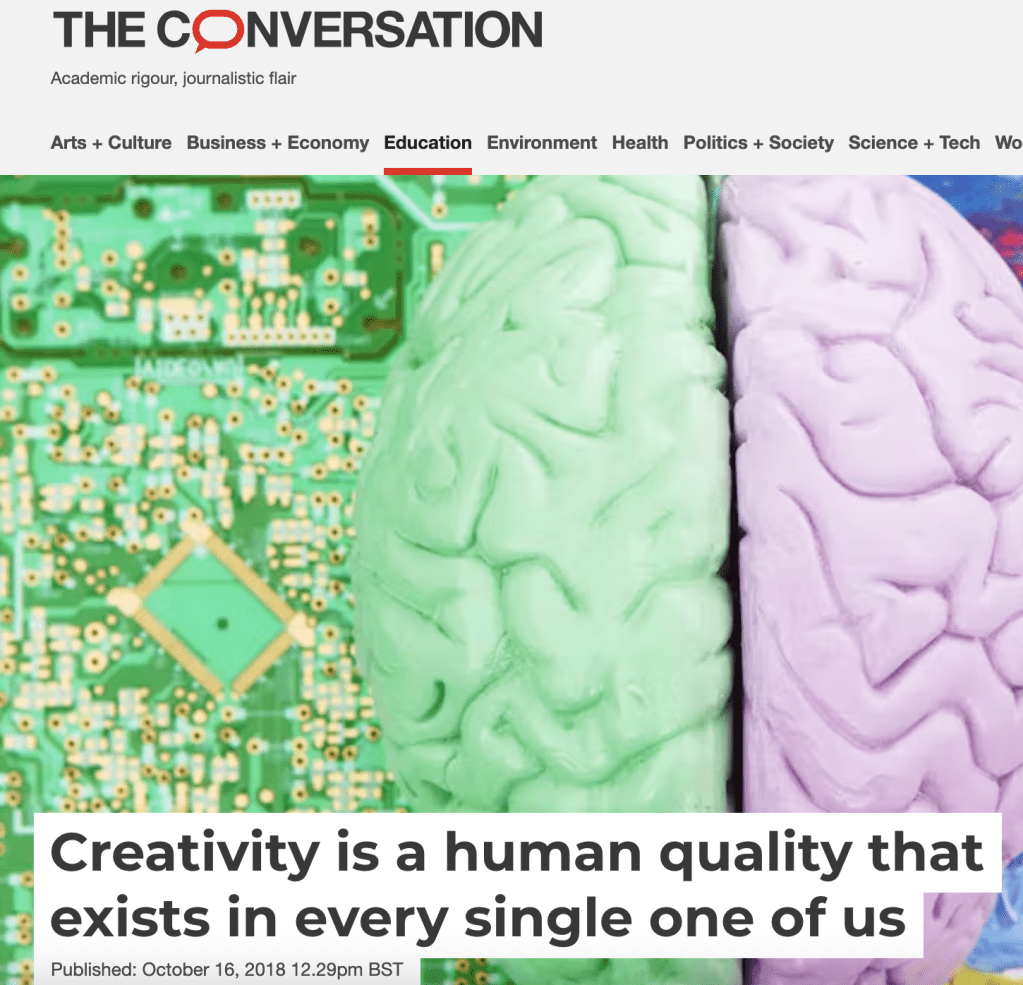
Creativity Myths
Creativity arises naturally as a result of knowing more The most knowledgeable people aren’t necessarily the most creative. In fact, it’s often the naive newcomer with a fresh pair of eyes that makes a breakthrough. Increasing knowledge means increasing awareness… Continue reading
-
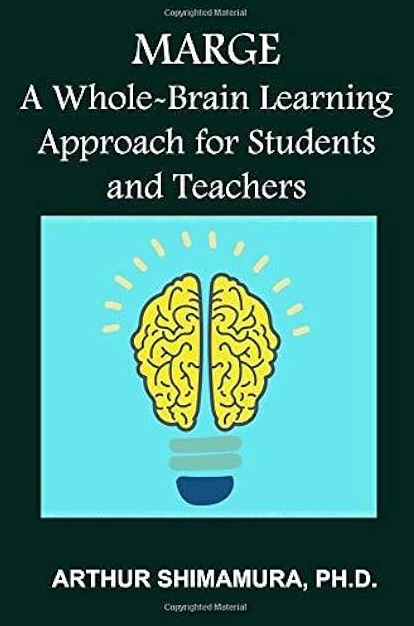
Memory & learning blog 3 – MARGE
notes from the pdf MARGE by neuroscientist Arthur Shimamura. Thanks to Daniel Willingham for posting this. Learning is the ability to acquire knowledge from sensory experiences, where learning is perceptual (reading an x-ray), conceptual (linking new facts & ideas to… Continue reading
-
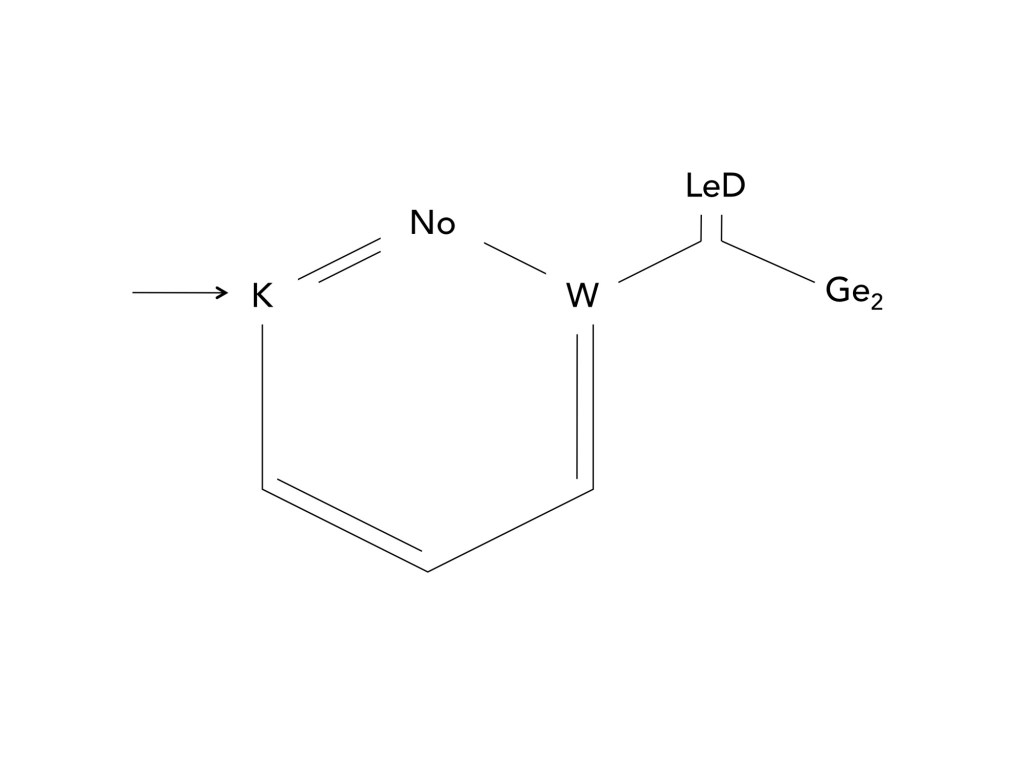
Explaining Creativity in education
Psychologist Csikszentmihalyi says we can be creative or Creative. Small ‘c’ creativity he describes as that which does not lead to a change in the symbolic domain of the culture; so small scale, personal acts of indulging in a playful,… Continue reading
-
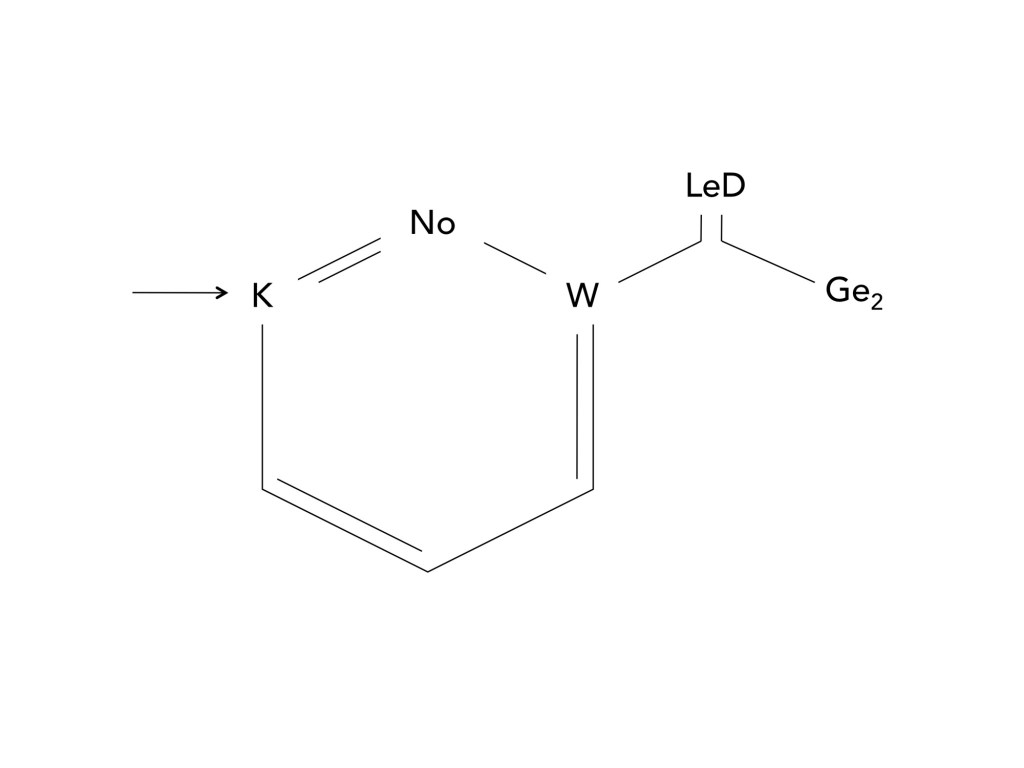
Factual knowledge
Why increasing factual knowledge doesn’t automatically lead to greater creative insight & why simply being creative doesn’t either Psychologist Csikszentmihalyi says we can be creative or Creative. Small ‘c’ creativity he describes as that which does not lead to a… Continue reading
-
10 Classroom Strategies for Enhancing Memory
This article is based on an article by Christopher Pappas for the eLearning Industry (Instructional Design -7 strategies for eLearning Professionals) and MARGE by Arthur Shimamura If we want students to remember our lessons we should try to make them… Continue reading
-
The problem with Cognitive Load Theory for general learning
This article is my own summary interpretation of the paper; Cognitive Load Theory, what does it mean for learning designers? By Walkergrove 2014. Cognitive Load Theory is a well researched, well proven and generally unchallenged practice of instruction that demonstrates… Continue reading
-
Memory & Learning 2: Why drilling isn’t always the best way to remember things.
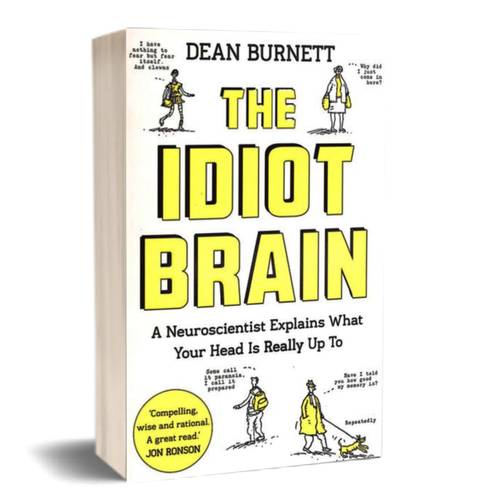
From the Idiot Brain by Professor of Neurology Dean Burnett Human memory isn’t organised like files on a computer. The brain organises memories with no logic, it cuts them up, adds irrelevant bits to them and organises them in multiple… Continue reading
-
Memory and Learning
Short term memory is largely aural – words and sounds. They usually last about a minute. This is why you have an internal monologue and think in sentences. Moving memories from short term to long term memory might be done… Continue reading
-
Knowledge first, then skills, then creativity?
Knowledge first. Then skills. Then creativity? This makes no sense to me. What knowledge do you refer to? Which skills and what form of creativity? There are around 17 different knowledge types according but these are more commonly related to… Continue reading
-
Are you teaching art all wrong?
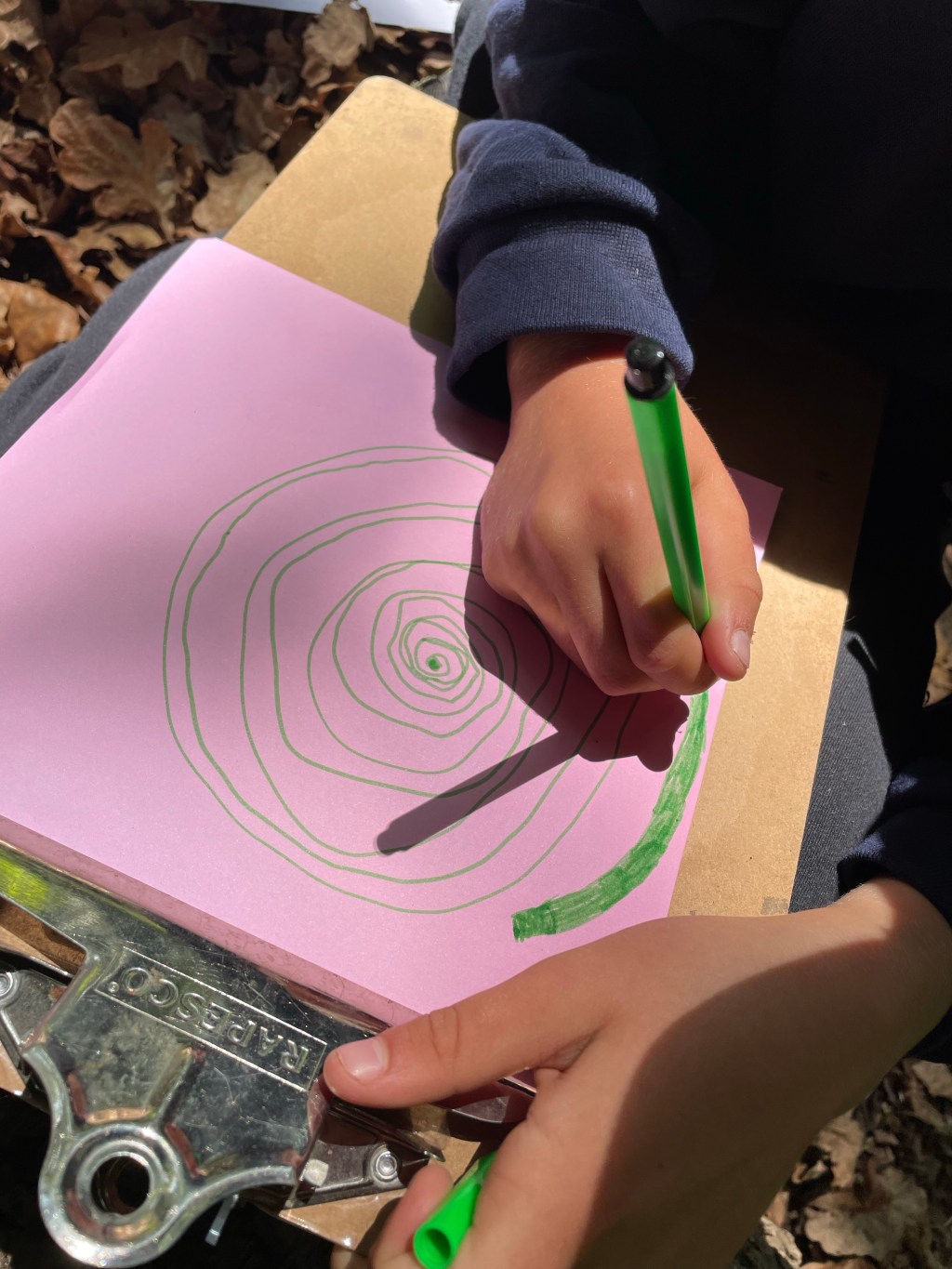
Ok I accept this may be a fairly contentious blog post and that not everyone will agree with me, but here’s my two penneth worth. Outcome driven artMost of the art in schools I see is outcome driven. In Primary… Continue reading
-
Have your students got the G Factor?
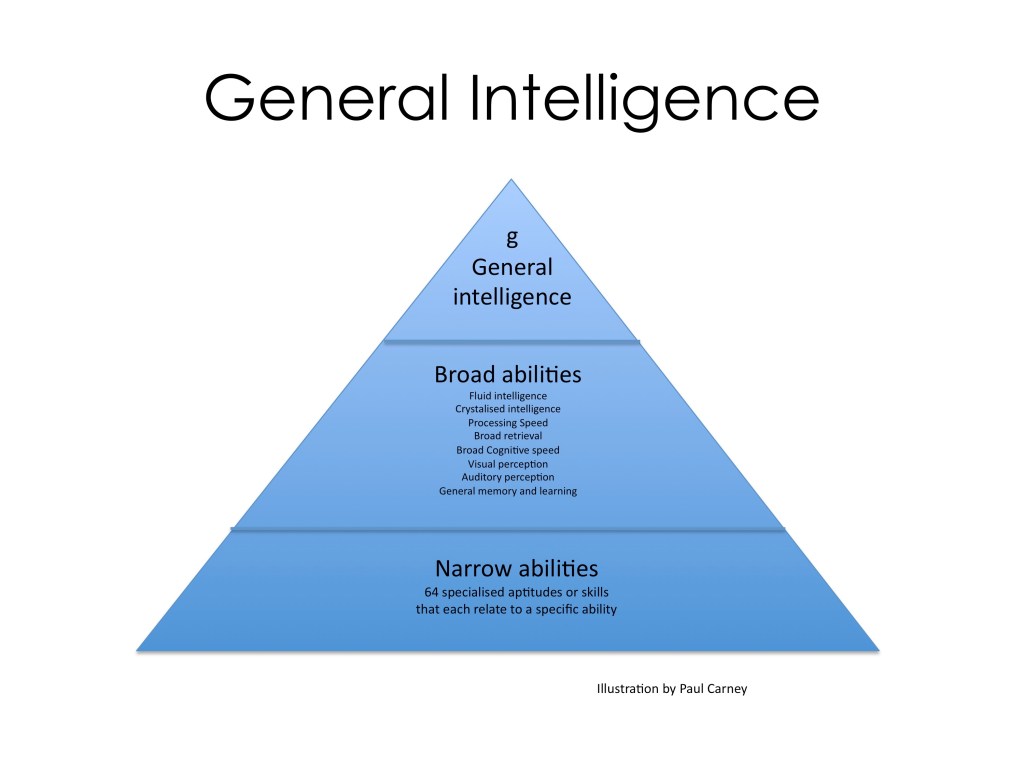
What do the scientists say really affects a person’s intelligence? Continue reading
-
Key Stage 3 Art, Craft and Design Progression
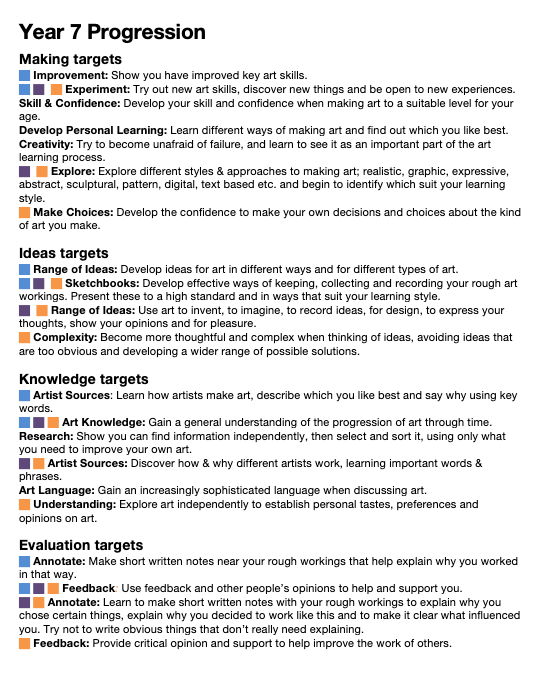
Key Stage 3 Art & Design Progression Much of what we define as progress is smoke and mirrors. You can’t always demonstrate progression, because more often than not, it isn’t tangible. Often, I’ve spent two hours wrestling with an idea… Continue reading
-
Ten tips for improving the quality of your Art & Design teaching
Ten tips for improving the quality of your Art & Design teaching It’s very easy to get lost in the frantic world of teaching. You get caught up in the day to day and sometimes you forget what is at… Continue reading
-
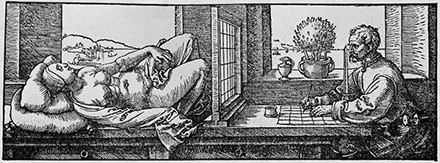
Durer Drawing and Printmaking
A great drawing or printmaking lesson idea for linking traditional practice to the present day. Continue reading
-
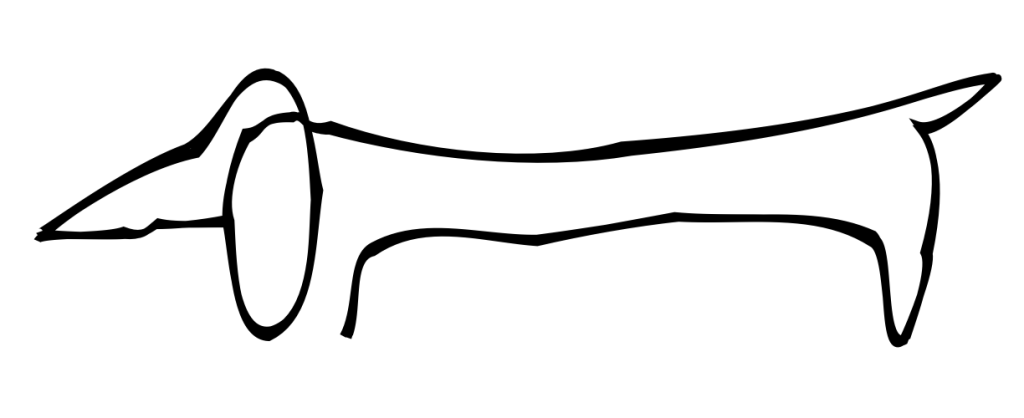
Picasso Drawing exercise
Whilst looking at Picassos lovely sketches of animals in a single continuous line, it occurred to me that this would make a lovely drawing lesson. Create your own animal drawing using a single continuous line. Lots of art teachers do… Continue reading
-
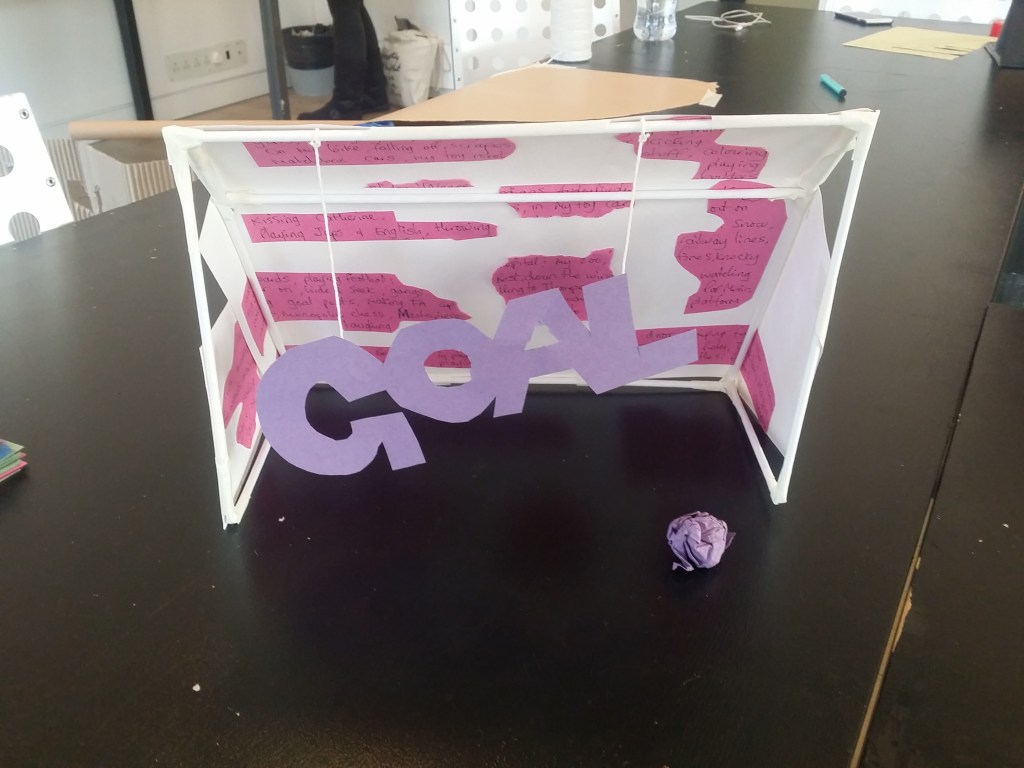
Memory Art
Memory Art I learned this exercise from a session i did at the Baltic Quays gallery, Gateshead. It was in a session done by art teacher Elinor Brass so it isn’t mine, but I’m sure she won’t mind me sharing it… Continue reading
-
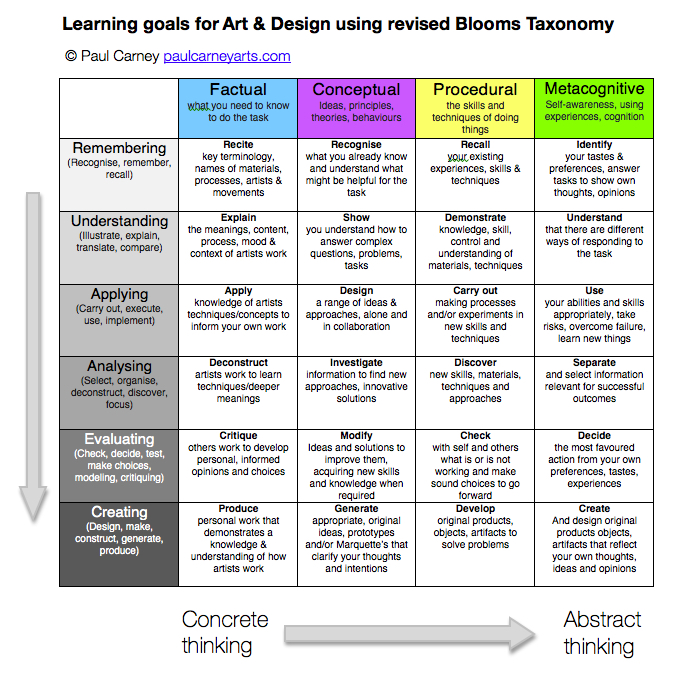
Progression in Art & Design using revised Blooms
Revised Blooms Learning Objectives for Art & Design that facilitate progression. Continue reading
-
Does anyone know of an artist who does . . . ?
Good art teaching comes from the development of planning that opens minds, it doesn’t direct outcomes. Continue reading

-
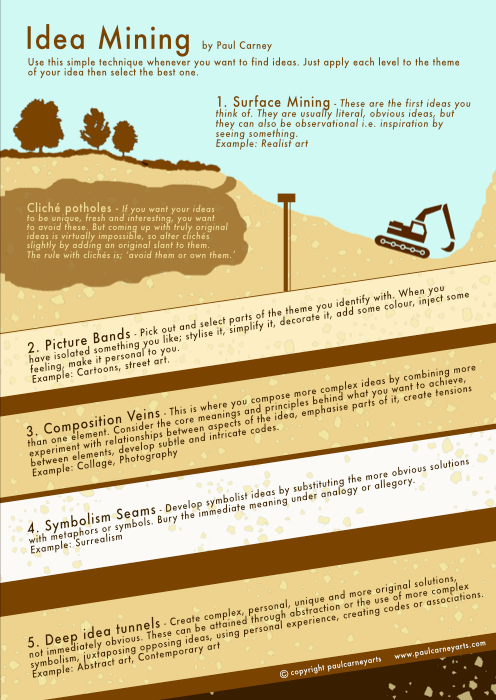
Idea Mining
Idea Mining – This art lesson involves applying the objective or purpose of the idea to different thinking strands, to facilitate the more complex production of ideas. Continue reading
-
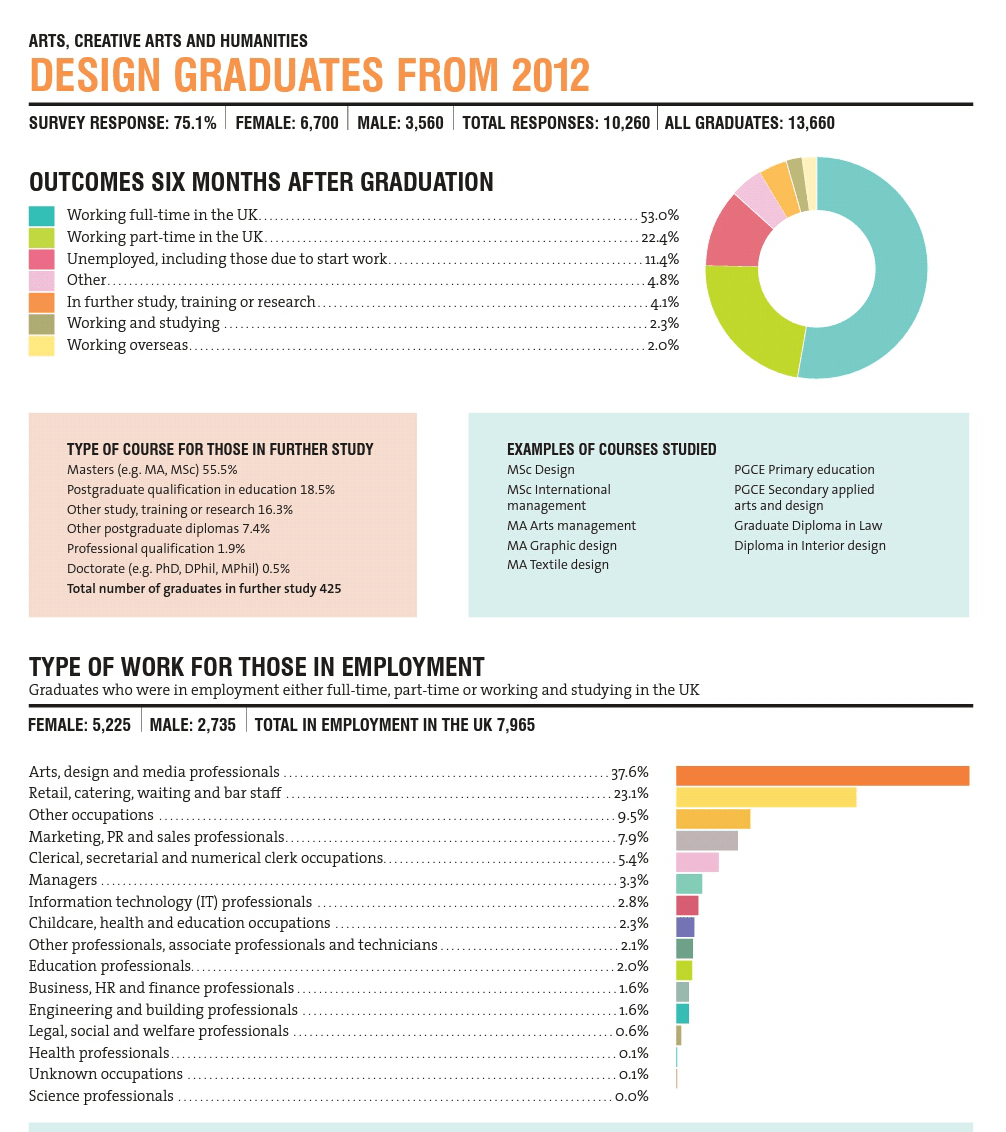
So you want to study an Art, Craft or Design degree?
So you want to study an Art, Craft or Design degree? Well, there’s some great news! The number of jobs in the Creative Industries increased by 5.5 per cent between 2013 and 2014 to 1.8 million jobs. This was an… Continue reading
-
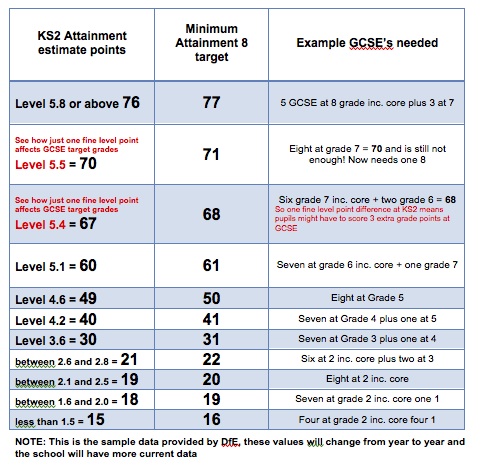
The case for Art: School Performance Measures from 2016
Where previously Art played a minor role in helping students attain the 5 A*-C threshold, the new attainment measures imply that good Art & Design figures will add significant value to pupils progress targets. Far from diminishing the role of… Continue reading
-
Looking at Contemporary Art
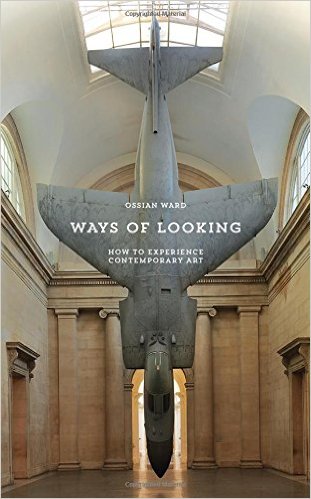
Ways of Looking Ways of Looking by Ossian Ward is an excellent introduction into contemporary art. He has developed a way of looking art that he calls TABULA where T is time, A is association, B is background, U is… Continue reading
-
If you want to improve boys learning, learn what it’s like to be a boy
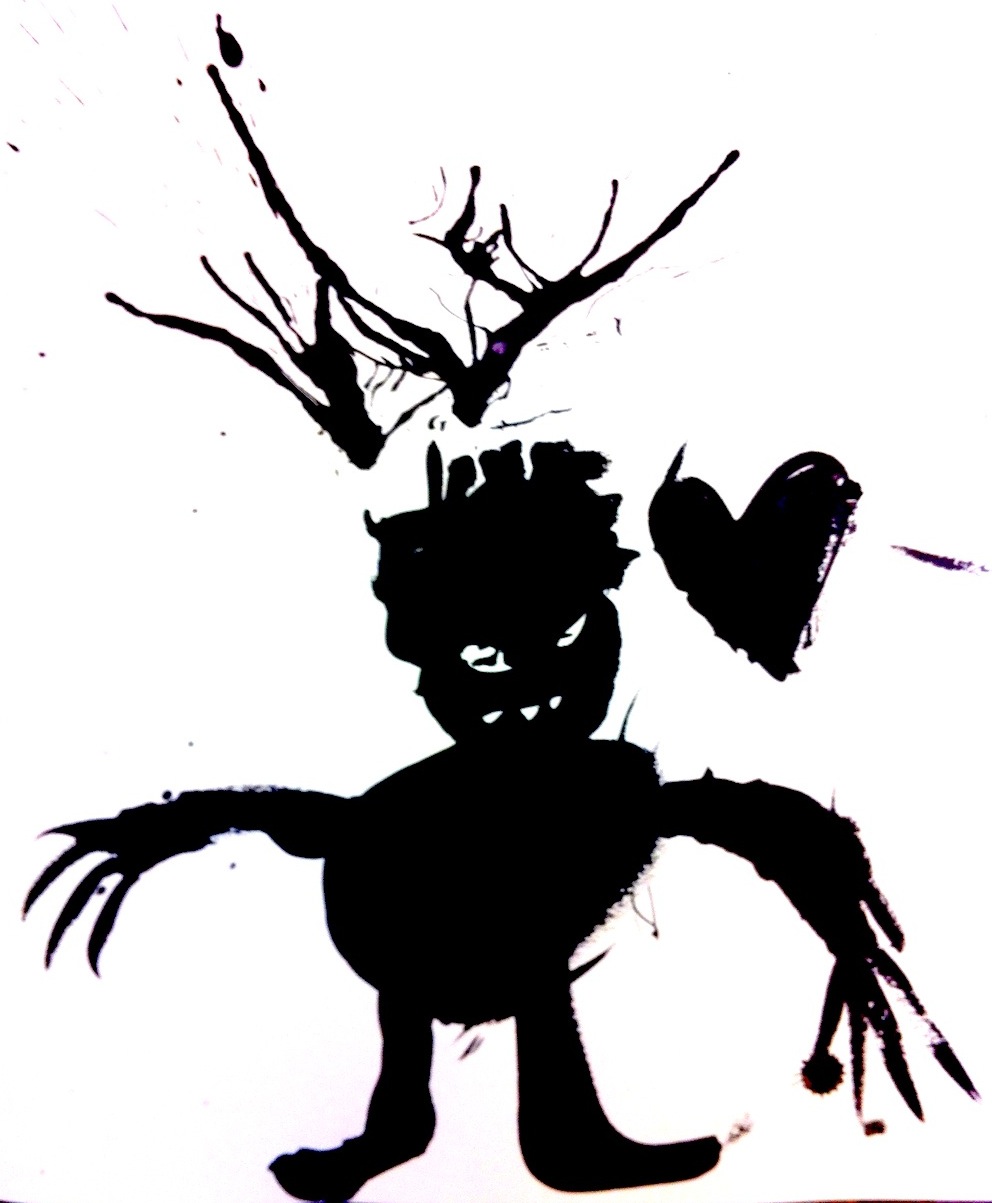
A lot has been written about boy’s learning that I agree with; lack of self-esteem, poor motivation, weak presentation/organisation skills, female dominated schools and inability to concentrate for long periods of time etc. I passionately believe that the way lessons… Continue reading
-
Raising drawing skills or ‘Dumbeldore’s Army’
Dumbeldore’s Army and the incredible dancing bears By Paul Carney In the Harry Potter book ‘the Order of the Phoenix’ the students resort to forming a secret class to teach themselves the dark arts of magic so that they might… Continue reading

-
Creative Lesson Planning
One of the ways I see creativity being stifled is when well meaning teachers plan their lessons. Instead of planning for freedom of choice, they plan very controlled experiences. Instead of encouraging risk and exploration they limit the materials to… Continue reading
-
Creating creative lessons and happy, independent students
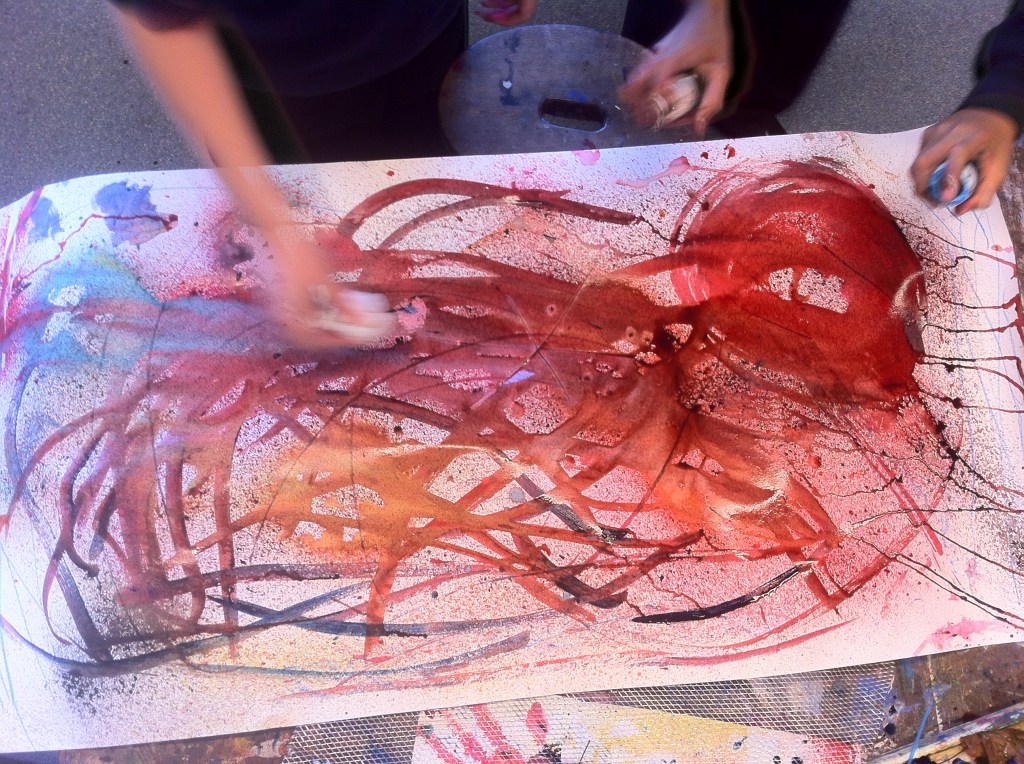
When PLANNING AND PREPARING for creative lessons consider: The creativity you want to tap into Is it a new experience or a new way of seeing, is it relative… Continue reading
-
Pixel Art
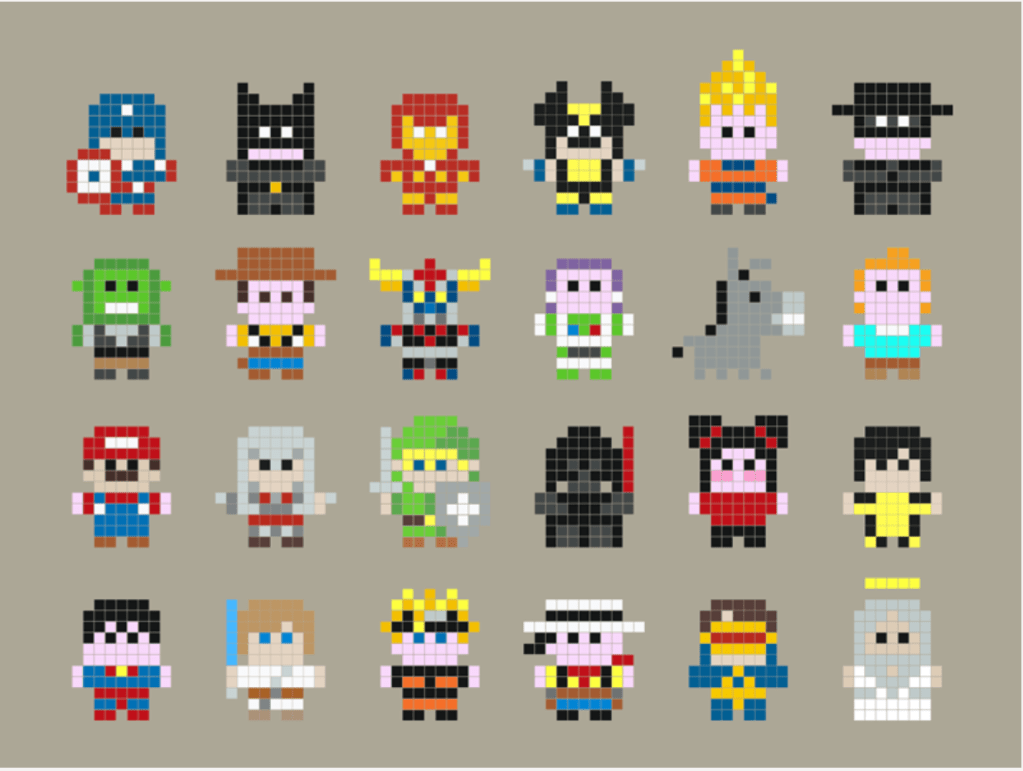
This is a great lesson for pupils at Primary or Elementary age. It might even be good for older pupils, especially boys. You could do this on laptops or Pc’s using Microsoft Excel or similar. But you could just use… Continue reading
-
Baseline Assessments in Art & Design
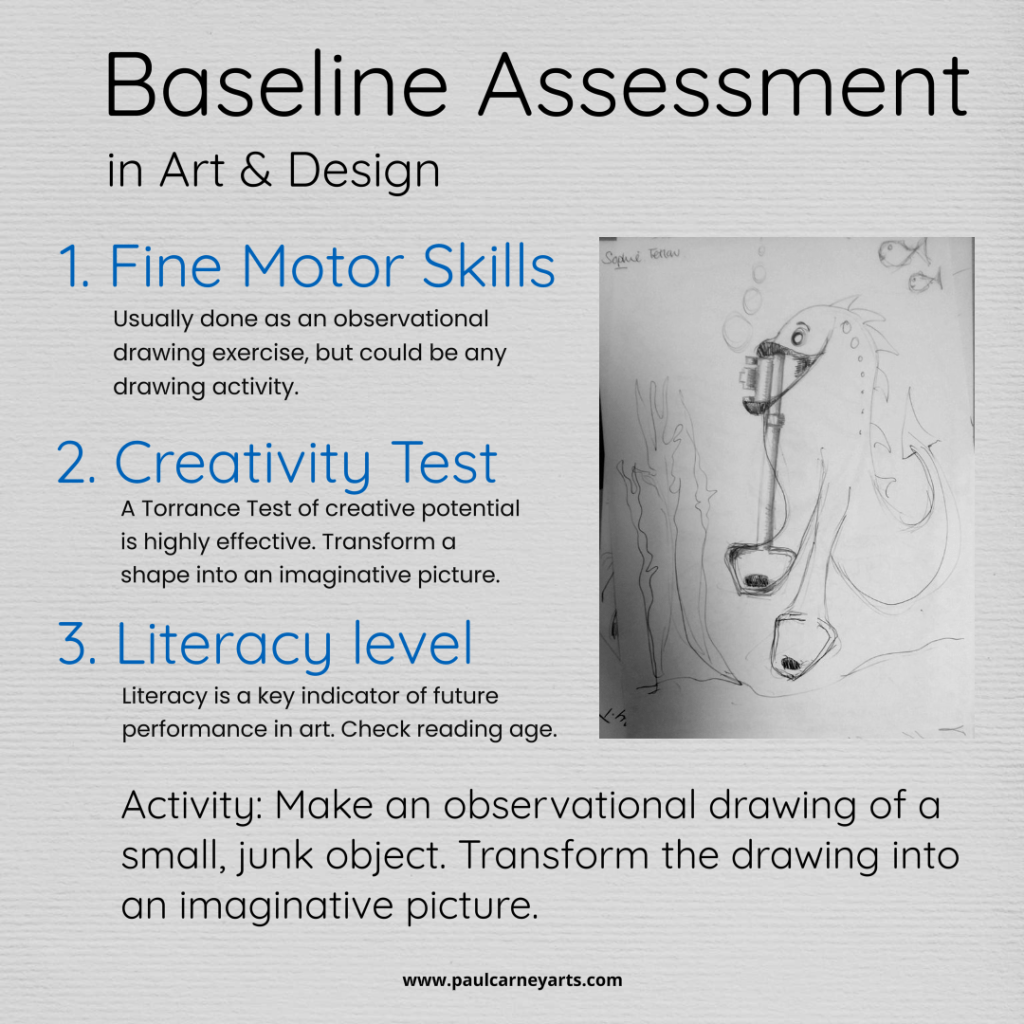
You can’t measure progress until you know your student’s general ability in the areas of: Skills, Knowledge & Creativity. I developed a simple exercise to do this that takes about an hour to do and I would do it at… Continue reading
-
Teaching Drawing
Whenever I get a class of art students (of any age) to draw something from observation I always get a wide set of results, ranging from excellent to struggling. That must mean that most students are not working on a… Continue reading
 Paul Carney’s Blog
You must be logged in to post a comment.