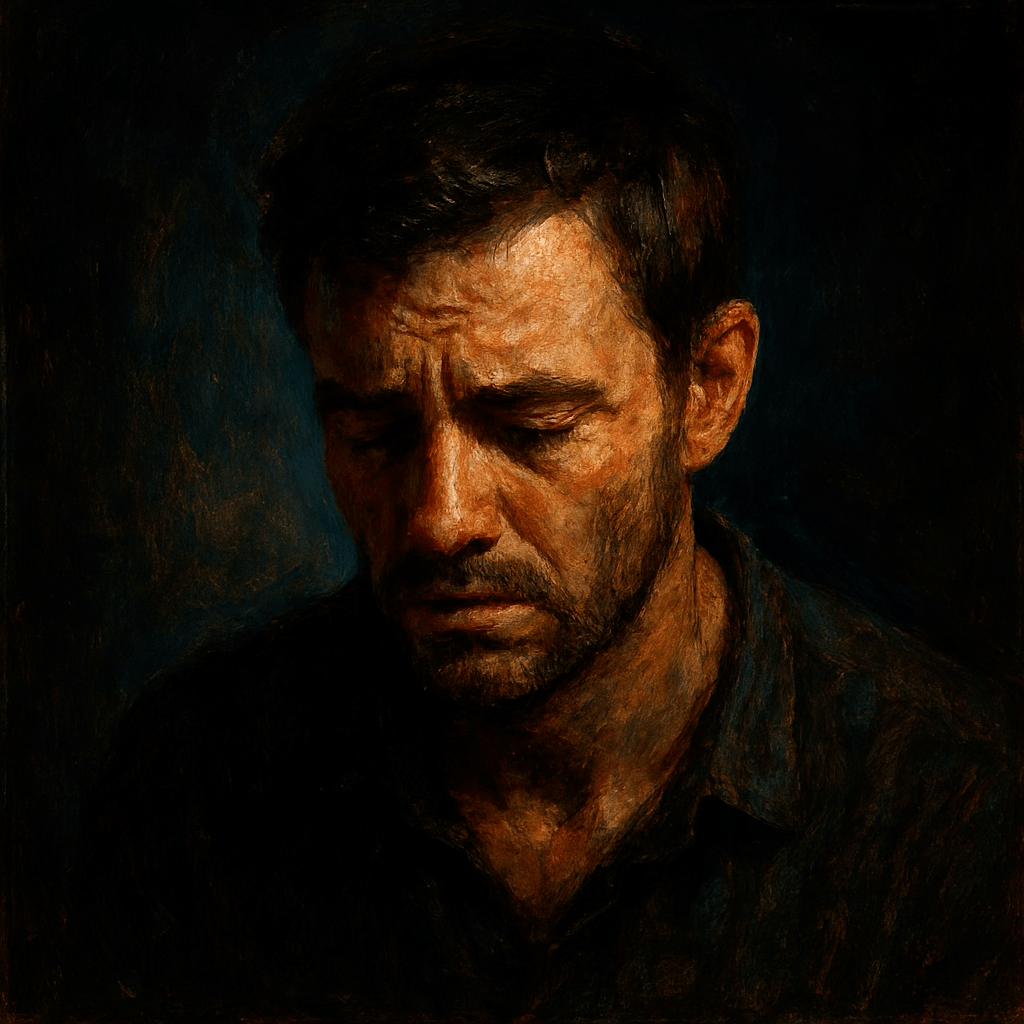
All of my life I have been labelled as an emotional person. “He’s moody.” “He’s a sulker.” “Cry baby.” “Whinger.” “Moaner.” Later in my life, work colleagues would wind me up for the sheer pleasure of seeing me ‘bite’. I garnered a reputation for having ‘outbursts’, some of which are legendary. I provided a lot of people with gossip and was the butt of many jokes.
Then in 2023, aged 60, I was diagnosed with ADHD, and it was as though all of these incidents in my life made sense. This struggle to contain my emotions was in fact, a disorder. Add OCD and anxiety in the mix and you have a person who battles with emotional dysregulation daily. In my way of thinking, emotions are like a toxic slurry that bubbles to the surface of my rational mind. They come to cause trouble and disturb the peace. I want to scream ‘go away, you’re not welcome’.
So when I read this article: The Neuroscience of Decision-Making: Why We Choose What We Do, from Science News Today, I was flabbergasted. The authors explain that emotions, rather than being ’irrational interlopers’, are in fact an integral way that the brain makes decisions. Without emotions, people struggle to make even the simplest decisions, because every choice feels equally weighted, as neuroscientist Antonio Damasio’s work with patients discovered.
Far from being a rational, calm person who has bouts of emotional instability then, I am in fact, an entirely emotional person who has bouts of rationality. This has implications for all of us. Logic, reason, proofs, these are outliers. We are all making our way through life by blind emotion, doing what feels right, and evidence simply comes along later to back up what we think we know. William James said: “A great many people think they are thinking when they are merely rearranging their prejudices.”
My outbursts, my incapacity to control my feelings then, isn’t a weakness. It’s just a more visible way of doing what we all do, all the time, it’s simply that most people keep their emotions hidden. The fact that I’m able to locate and access mine, may in actual fact, be a source of strength. At least that’s what this emotional old wreck is telling himself.


 Paul Carney’s Blog
Leave a reply to vermavkv Cancel reply