What do you love about where you live?
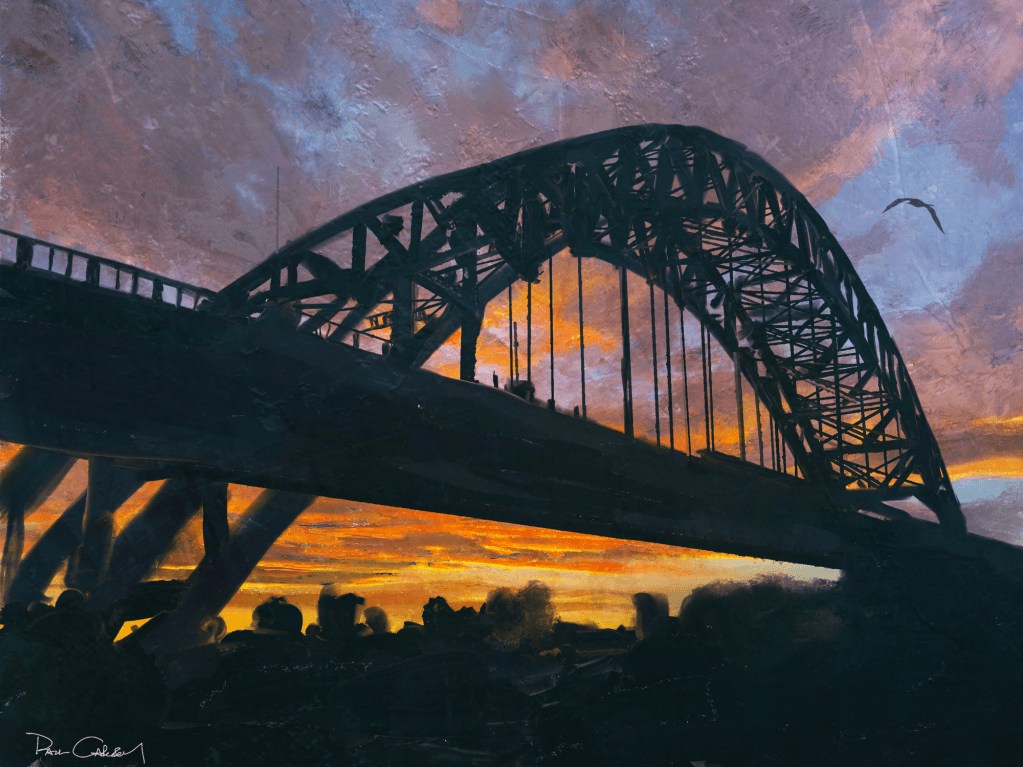
I was born in Middlesbrough, and grew up in Stockton-on-Tees. I am a proud Teessider, but when I was around 40 years old I moved to Newcastle, fell in love with the place and have lived here ever since. It may not be my birthplace, but here’s what I love about it:
A New Castle
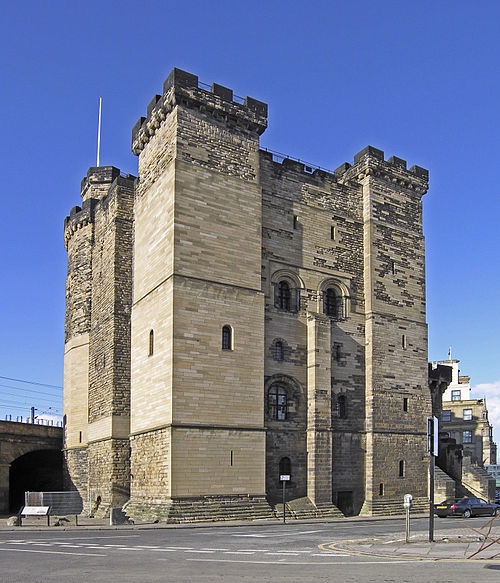
Newcastle upon Tyne was originally a Roman fort. In the Middle Ages, a wooden motte and bailey castle stood on the site, but in 1172, Henry II built a stone bailey. Due to further raids on England by the Scots, the castle was expanded in 1250 by Henry III, and a fortified wall was also built around the city, although it was never an impressive, decorative structure, more a military fortification.
Centre of global innovation
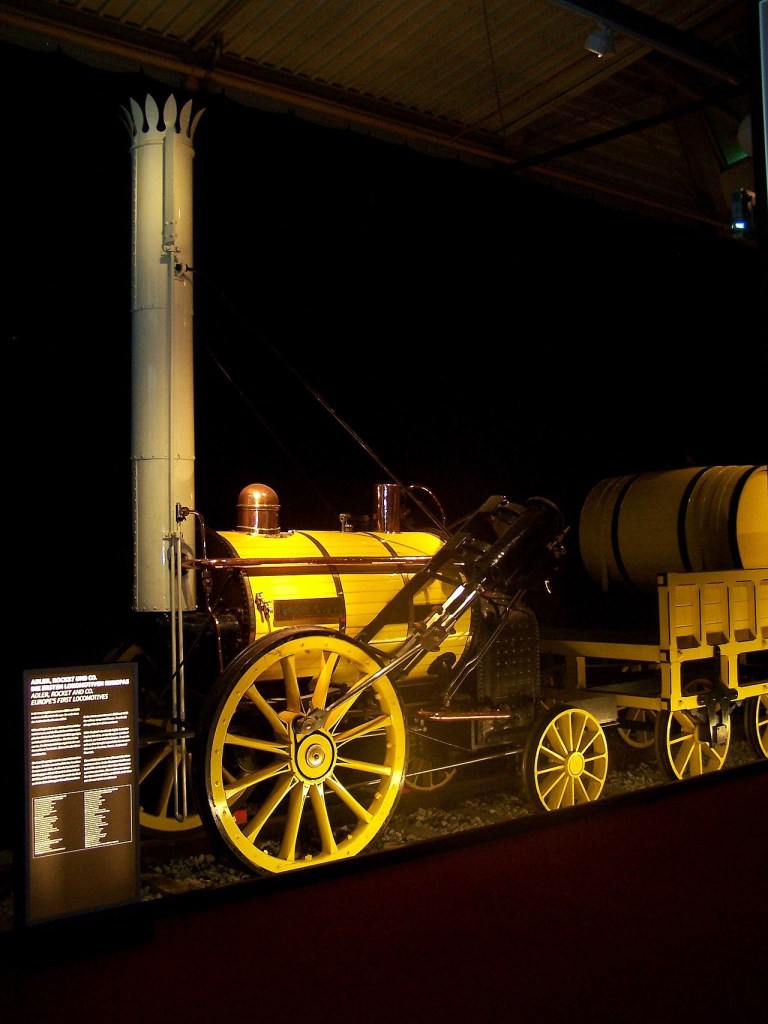
Up until the Industrial Revolution, Newcastle lived in the shadow of its architecturally richer cousin – Durham, with its impressive 1,000 year-old Norman cathedral. However, Newcastle’s prospects grew because of its sea port, which was used extensively to export coal and build ships. The great railway engineer George Stephenson, and his son Robert, put the area on the global map, when he built the Rocket steam engine here. It was the first locomotive to carry passengers on a public line, in 1825 between Stockton and Darlington. Another innovator, Joseph Swann developed the first working light bulb up here, a year before Thomas Edison. Rather than engage in expensive litigation, they formed the Edison Swann Electric Light company.
Noble forefathers & Georgian architecture
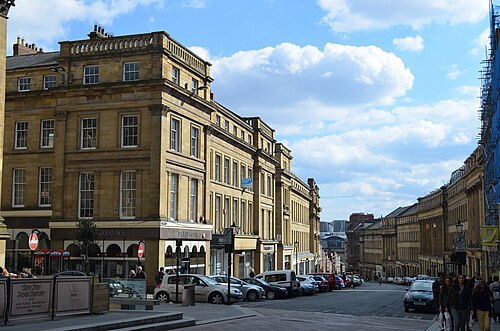
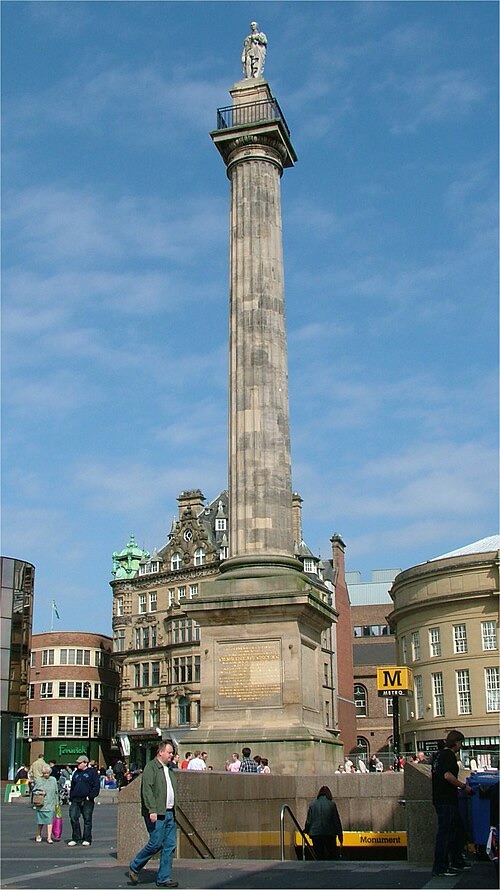
The success of the port and the railways brought much wealth into the city, and in the 1830s architect John Dobson and others, extensively rebuilt the city with a Neo-Classical, Georgian theme. Not only were many fine town houses, and a new railway station built, but the now famous Grey’s Monument was erected, in honour of Earl Grey, (he of Earl Grey tea fame). Grey was a local lad from a noble Northumberland family who, apart from being Prime Minister, helped pass the Great Reform Act of 1832, which essentially gave poor people (men) the vote.
World famous bridges
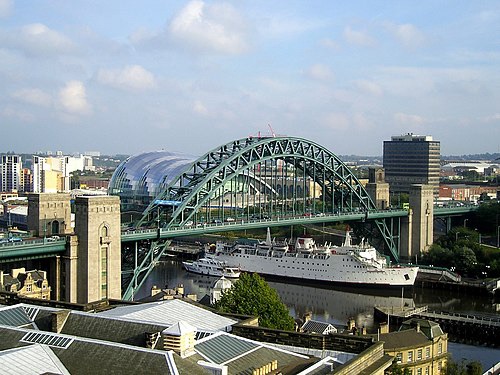
In 1928 the new famous Tyne Bridge was opened that crosses the Tyne river. It is a beautiful steel bridge, modelled on the Sydney Harbour bridge, both built by the same Teesside company, Dorman Long. Other famous bridges are Robert Stephenson’s High Level bridge and the Swing Bridge.
Contemporary chic
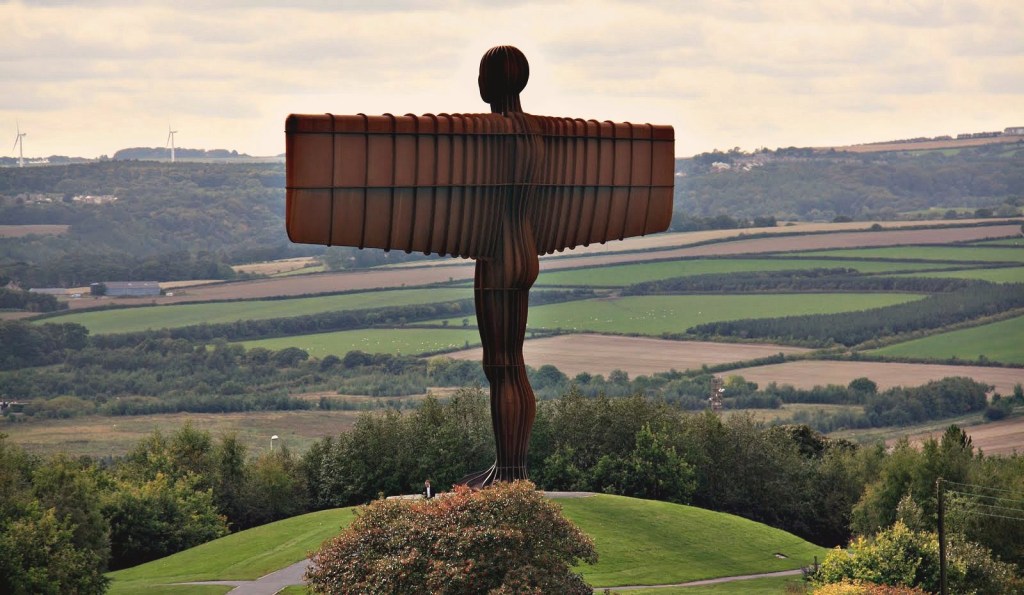
The city was extensively remodelled again in the 1960s by the (corrupt) leader of the city council T. Dan Smith. He demolished much of the then derelict Georgian architecture to build a huge motorway through the city and the Eldon Square Shopping complex. By the 1980s, much of the city looked run down, and the city was black from decades of coal pollution. A huge clean-up operation began in the 90s and new offices, bars, cafes and residential buildings were erected. Most notably, the quayside was extensively renovated, and neighbouring Gateshead County council stole the show; by building international music venue the Sage (now called the Glasshouse), the Baltic Contemporary art gallery, the Angel of the North designed by sculptor Antony Gormley, and a new pedestrian bridge: the Millennium Bridge, (locally known as the blinking eye).
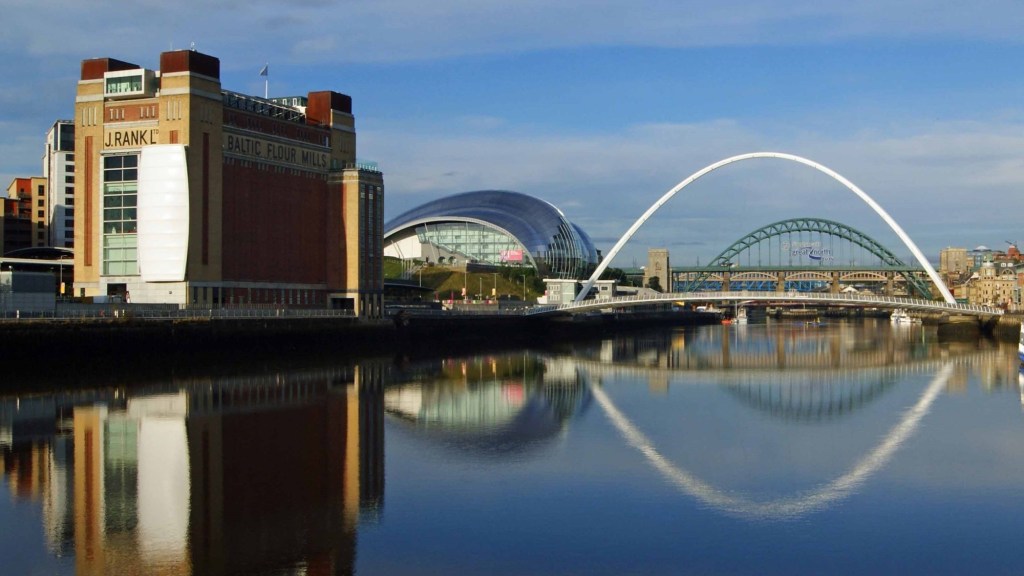
Cumulatively, the rich history and industrial heritage of Newcastle upon Tyne makes it one of the best places to live in the UK. It has a reputation as a party city, but this belies its wonderful artistic and cultural tradition in Gateshead and in nearby Ouseburn.
Geordies
The people of Newcastle are known as Geordies. The term comes from the 1700s when local people were passionate supporters of King George II, who was affectionately known as King Geordie. They are a proud people with many famous sons and daughters, and an almost indecipherable accent, but it is their kind, affectionate, good humoured nature that draws you in, and makes you feel right at home. It certainly is a place I am proud to call home from home.


 Paul Carney’s Blog
Leave a reply to Paul Carney Cancel reply