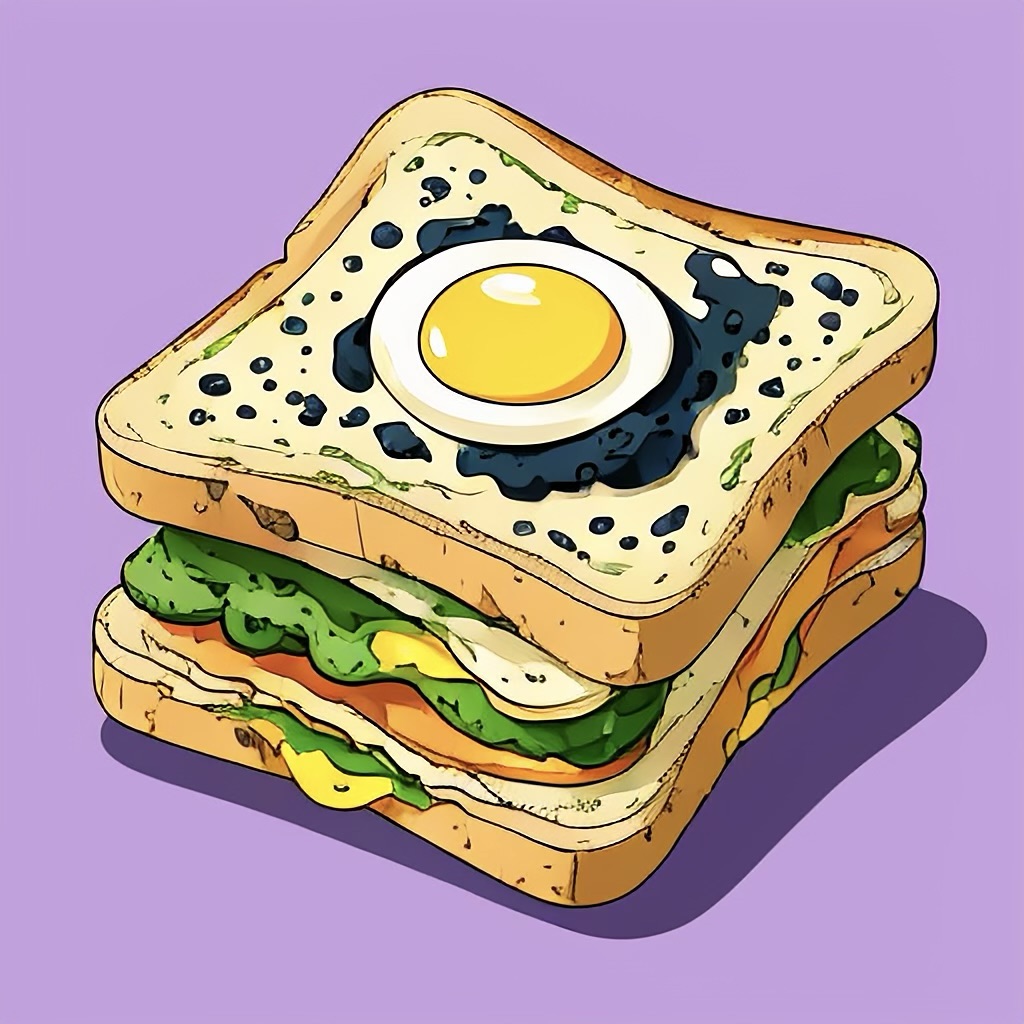
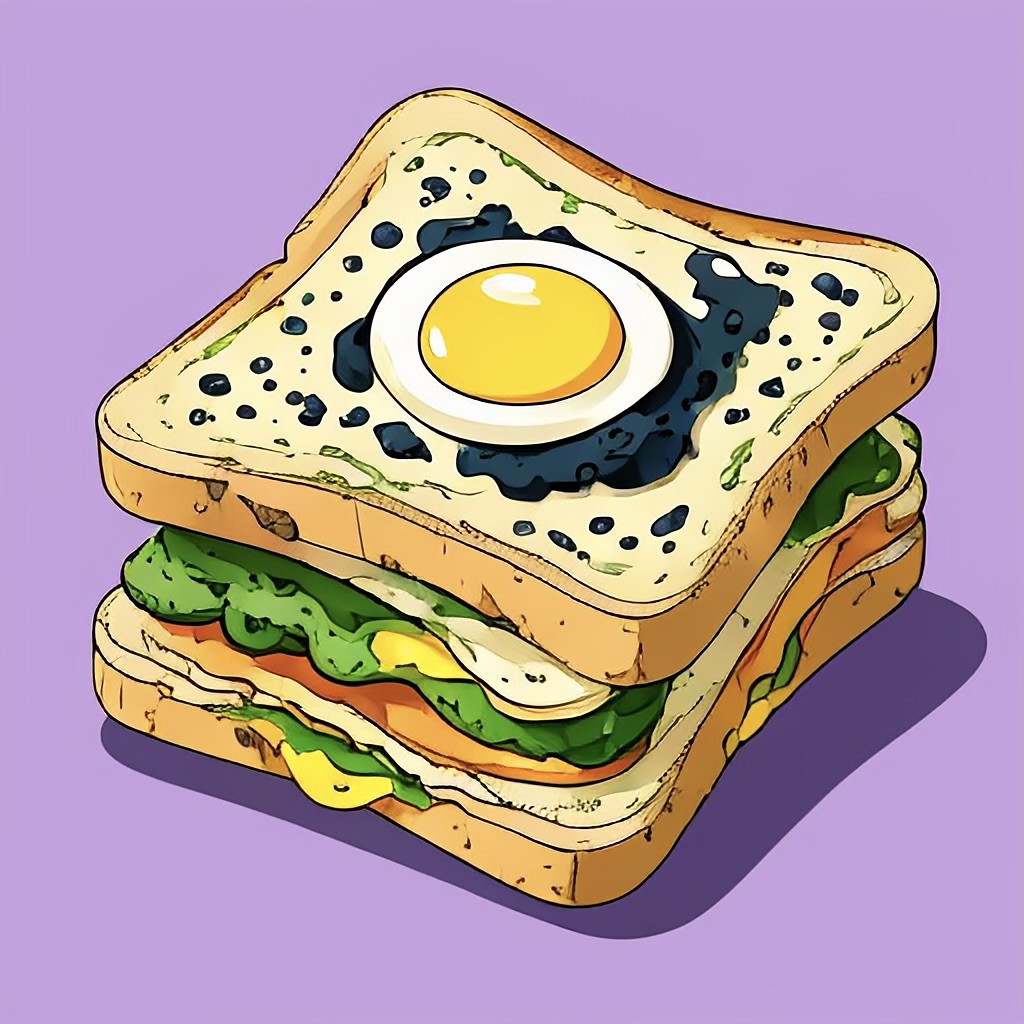
I’m a small boy, standing next to my brother in our shared bedroom, quivering with fear. Our Mam is stood menacingly over us, stick in hand, screaming at us at the top of her voice. It’s a loud voice. “Which one of you stuffed this sandwich behind the wardrobe?” she snarled. It was me, of course. She’d made me egg sandwiches, yet I’d told her numerous times how much I hated eggs. Stuffing it behind the wardrobe had seemed like a good plan to a seven year old Paul. I wasn’t going to confess to it though. I was too scared. “Tell me the truth. Which one of you did it?” My brother knew it was me, but he didn’t say a word. That’s why I looked up to him so much. We both got punished that day, but I learned an important lesson. People lie. They lie all the time in numerous ways, mostly innocuous enough, but sometimes nefariously. People lie boldly and brazenly, when selling something for example. A guy once looked me straight in the eye and said the car I was buying off him had no faults, despite me specifically asking him to be honest. “It’s a genuine motor mate. It’s a great car. I wouldn’t sell you it otherwise. Straight up.” I found out a month later it was an insurance write off. People lie.
When I was a teacher, both pupils and colleagues lied to me all the time. Pupils at least had the excuse they were children, but fellow teachers, especially senior leaders, also lied often. I’ve got many examples where both pupils and the most senior people in the school, lied blatantly to my face. Lying has become ubiquitous in society too. My wife loves reality tv, and blatant lying is a staple ingredient of the shows. Politicians even double down on their lies these days. Donald Trump is the classic example of this, but it goes back way before him. Vladimir Putin, and his closest adviser Nicolai Patrushev, have spent decades spreading disinformation and outlandish conspiracy theories in order to cover up Russia’s nefarious activities, and destabilise Western governments. I wish that Western governments were innocent in all of this though, but they are just as big liars as Russia. The Wikileaks leak by Julian Assange proved that. Truth, at personal, societal and government levels then, is a rare beastie.
You’d think science had absolute truths, but you would be wrong. Science tends to avoid absolutism. Despite proposing theories that are supported by layers of evidence, they avoid saying things are proven because too often, new evidence overturns what was previously considered factual. Perhaps the closest thing to a truth would be a mathematical axiom – a statement that is so well-established that it is accepted without question. Axioms are the starting points for further reasoning, but these are better described as definitions rather than truths. Truth has been defined by philosophers as:
Absolute truths – universally valid and unchanging statements or beliefs. Science and mathematics for example.
Relative truths – socially constructed and subjective truths. Law and order are centred around relative truths.
Moral truths – based on subjective, contextual beliefs around morality. Social justice, education, good parenting and religion are examples of moral truths.
Relativistic truths – claim that all truth is subjective and that no objective fundamental truths exist. This is a philosophical argument that has been picked up by real world politicians, YouTubers and reality TV stars.
Truth is mostly subjective, it is hard to find, and when it is found, it is often held up as evidence for future criticism. If you never confess to a misdeed, you can never be held fully accountable for it. In this way, lying isn’t just easier, it is actually socially beneficial. The problem then becomes that when no one is honest, no one can be trusted. Morality breaks down, and eventually so do social truths, and with it, law and order. We say we value truth, we want to see evidence of it in everyone else, yet if we look in the mirror, we would have to confess to being less than truthful ourselves. The best way of finding truth then, is by peeling back the layers of our own lies, to find truth at the heart of ourselves. Only then can we begin to look for it in the eyes of others.


 Paul Carney’s Blog
Leave a reply to Paul Carney Cancel reply