How has a failure, or apparent failure, set you up for later success?
I really struggled with the prompt today and I couldn’t figure out why, until I realised that I don’t assign the label ‘success’ to any of my endeavours. I find it extremely difficult to describe myself as successful in any way at all, but can describe my failures in graphic detail.
That I had two books published, one with a foreword by Professor Alice Roberts, wrote a novel, and self-published my autobiography, does not change the fact that I see my self as a failure. I’ve had paintings and drawings exhibited in significant exhibitions, one of which was a full page in the Sunday Times, written and recorded two albums of my own music, and sang solo in some of the north east’s best concert halls. But I still think of myself as a failure. I’ve raised two beautiful kids, been married blissfully for over twenty years, own my own home outright, have been able to retire early and I’ve had a successful career, being one of the UK’s leading art educators – but yes, you’ve guessed it, I still see myself as a failure.
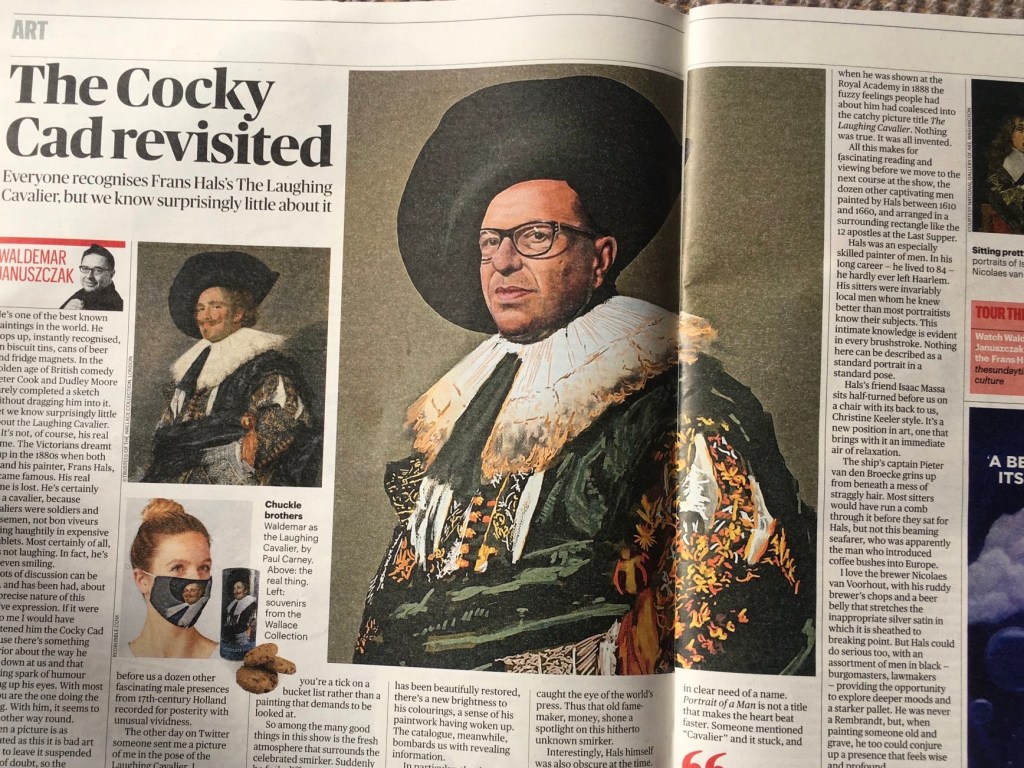
I know why I’m like this. It’s perfectionism, which a therapist told me I had many years ago. I just shrugged it off and did nothing about it. I got this from a psychology website:
Perfectionists set unrealistically high expectations for themselves and others. They are quick to find fault and overly critical of (their own) mistakes. They tend to procrastinate a project out of their fear of failure. They shrug off compliments and forget to celebrate their success. Instead, they look … for approval and validation.
It could be written for me. I could go on about why I’m like this, describe my childhood, blame my parents etc. but I’m not going to do that. Instead, I’m going to work on being kinder to myself and stop beating myself up that everything I do is mediocre. So, to answer the prompt:
How has a failure set you up for later success, I’d have to say, ‘I’m working on it.’



 Paul Carney’s Blog
Leave a reply to David Milligan-Croft Cancel reply