art education
-
Passions of Paul
What are you passionate about? I’m passionate about my art: I’m passionate about my music: I’m passionate about my writing: I’m passionate about nature: I’m passionate about education. But most of all, I’m passionate about my wife and my family. Without… Continue reading
-
What am I?
“What am I in the eyes of most people? A nonentity? An eccentric? An unpleasant person. Somebody who has no position in society and never will. In short – the lowest of the low. Well, even if all that were… Continue reading
-
A Potted History of Art Pedagogy
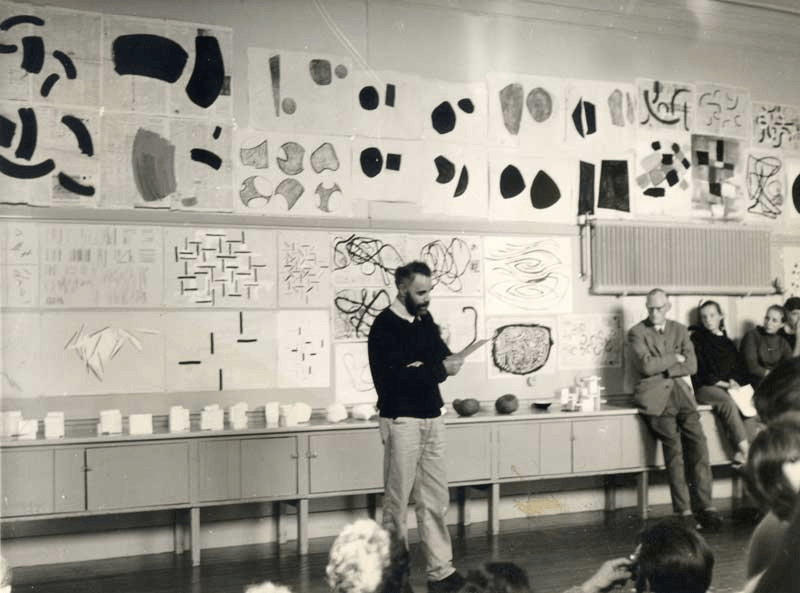
‘Pedagogy, most commonly understood as the approach to teaching, is the theory and practice of learning, and how this process influences, and is influenced by, the social, political and psychological development of learners. Pedagogy, taken as an academic discipline, is… Continue reading
-
Creative Choice
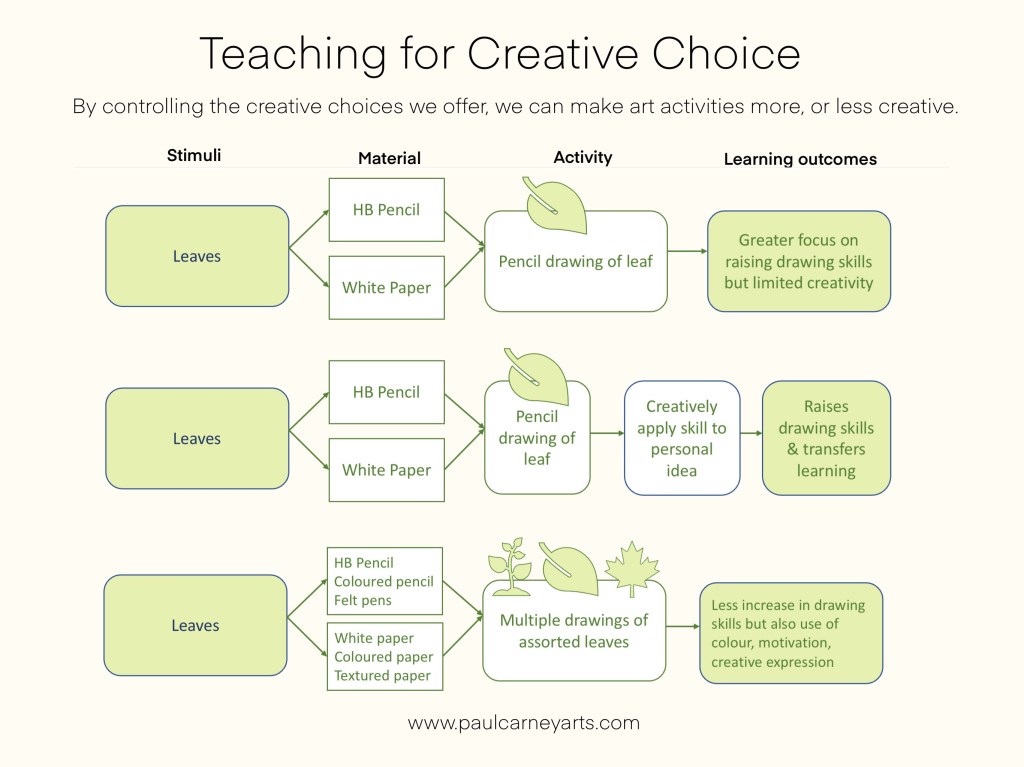
Some teachers believe that we need to master skills before we can be creative. They say that creativity cannot be properly realised without the skill to express it. So, they might narrow the creative activity to focus on mastering a… Continue reading
-
You CAN teach creativity
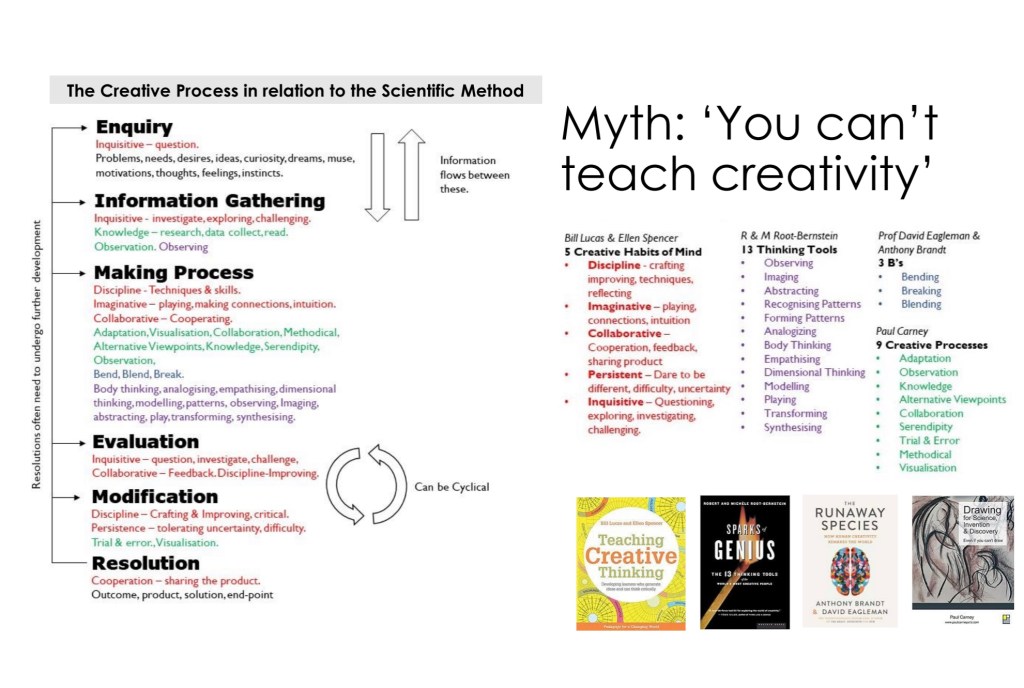
By Paul Carney http://www.paulcarneyarts.com Some very knowledgeable people say ‘you can’t teach creativity’. You can. As a creative teacher, I teach people how to be creative all the time. I can teach you the historical processes by which inventions and… Continue reading
-
Developing imagination in learners
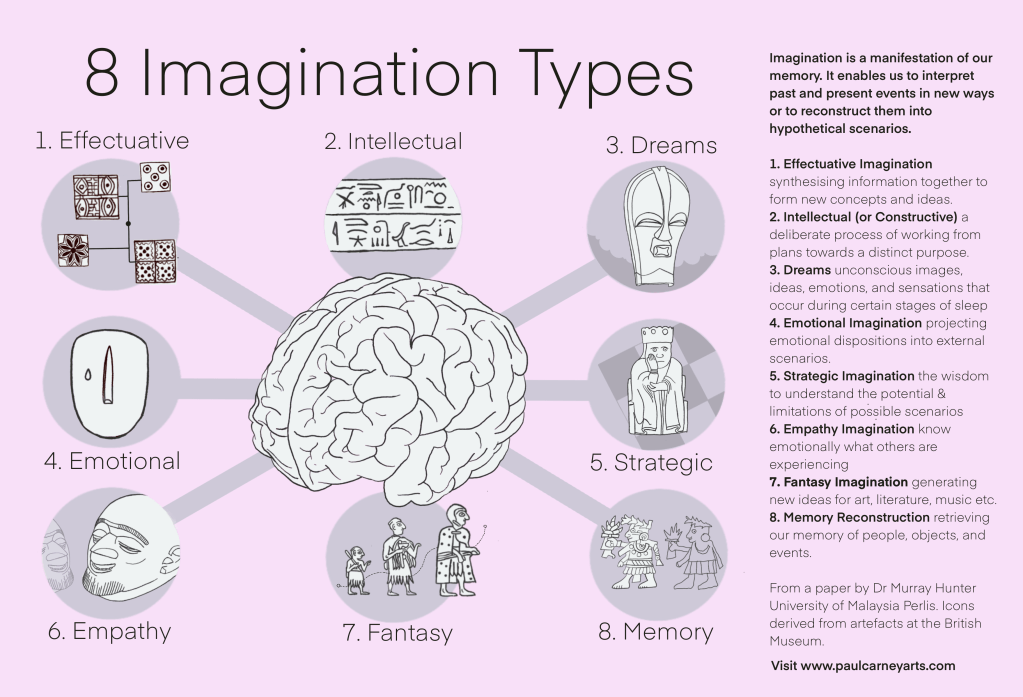
Imagination is the foundation of all inventiveness and innovation. It is uniquely human, and with it, we have been able to think, design, conceive, construct and develop our whole human society. Imagination is a powerful tool for learning and with… Continue reading
-
Artistic development in Children
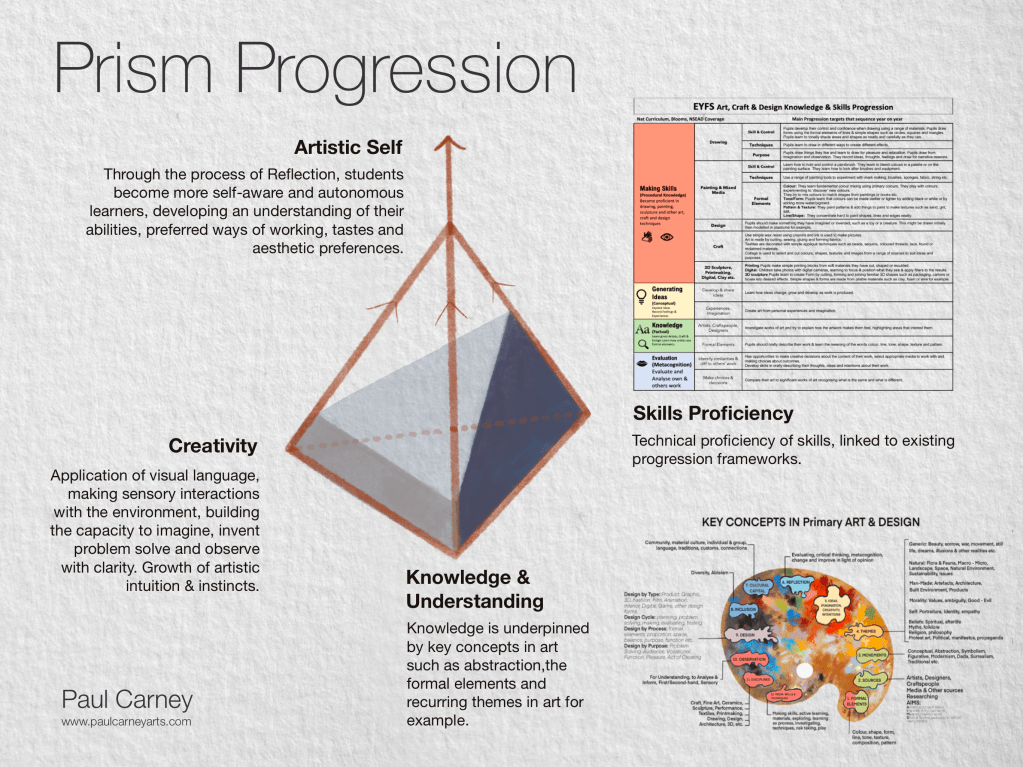
By Paul Carney This blog post contains extracts from an essay by Anna Kindler – Art in early Childhood “One man may sketch something with his pen on half a sheet of paper in one day, or may cut it… Continue reading
-
Sequencing learning in art and design? Don’t ask the DfE!
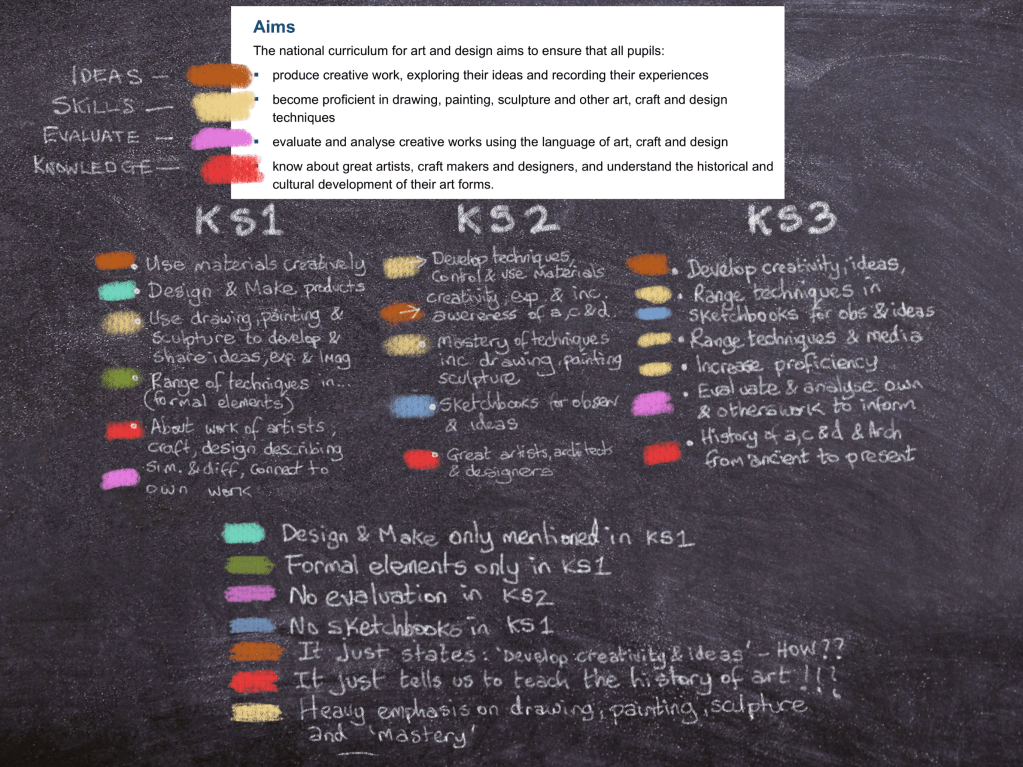
Schools all over England are being judged by Ofsted on their ability to sequence learning and progression in the subject, despite the fact that the national curriculum for art and design in England isn’t properly sequenced and it’s progression of… Continue reading
-
Art and Design Process
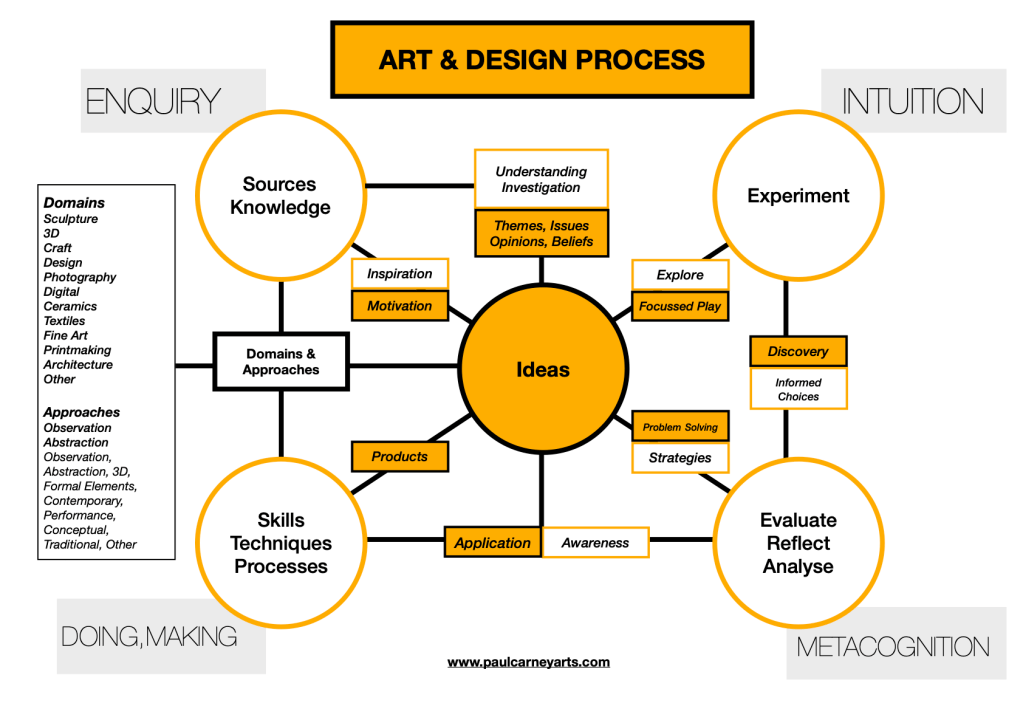
Making art is a complex, diverse process that can take many forms and be shaped by a wide range of factors. I’ve attempted to outline the main ones in a series of graphic organisers that could help teachers plan activities… Continue reading
-
Drawing to Learn Anything
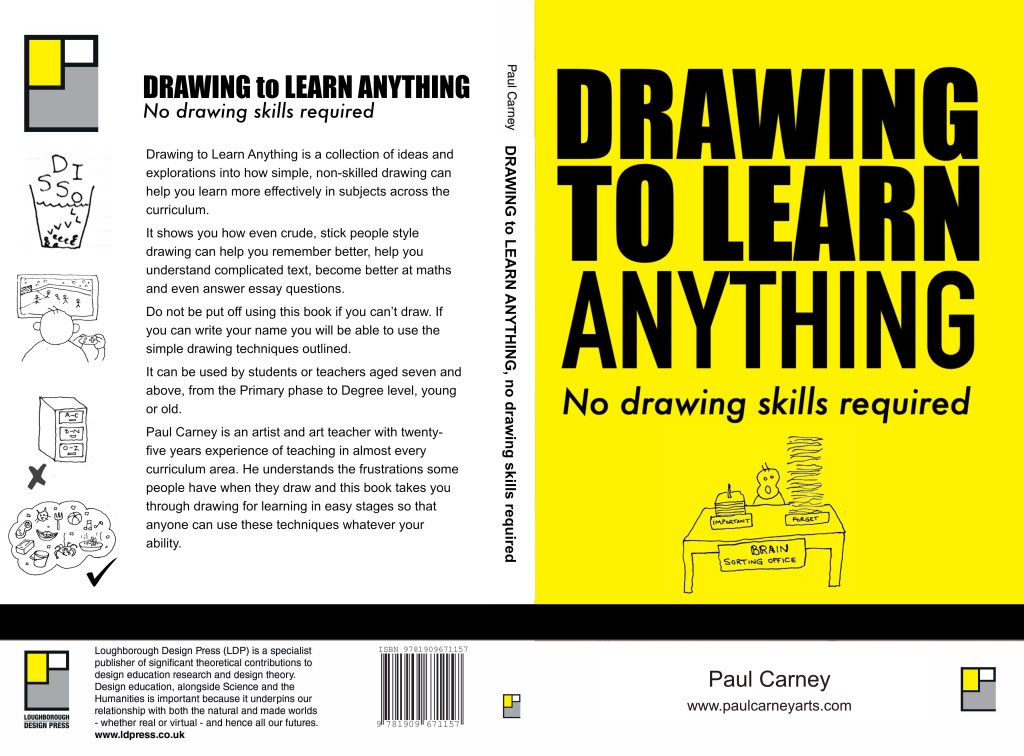
The exercises and techniques used in this post are contained in my book: Drawing to Learn Anything. Buy from www.paulcarneyarts.com Drawing to Learn Anything is a collection of ideas and explorations into how simple, non-skilled drawing can help you learn… Continue reading
-
Memory is human. The Hidden Half of Pedagogy.
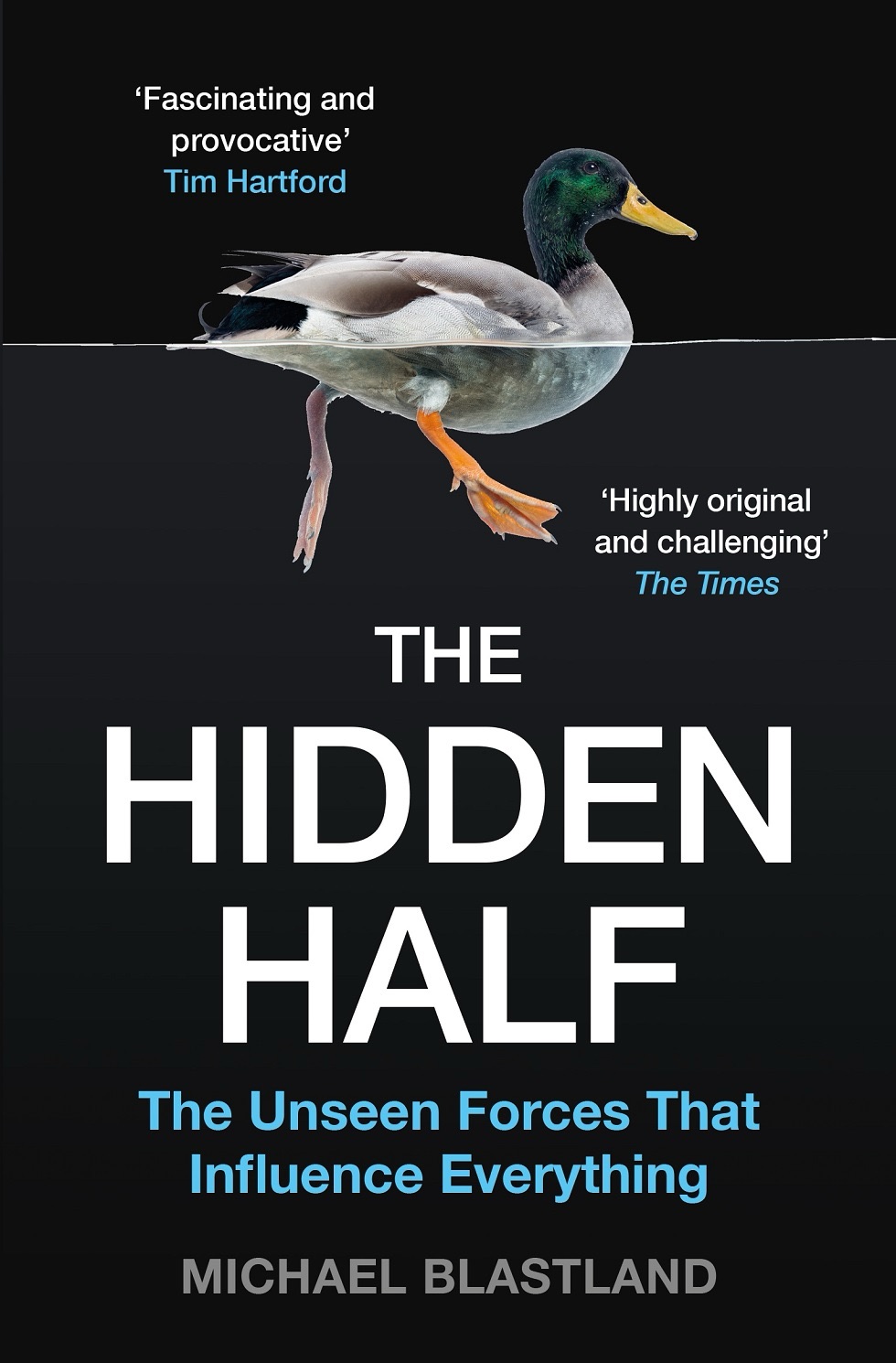
Education is made up of a wide range of disciplines and delivered (usually) in classrooms to children aged three upwards. No two schools are identical, no class of children the same, some areas are affluent, some deprived. The education of… Continue reading
-
The best way to remember something is to make it memorable.
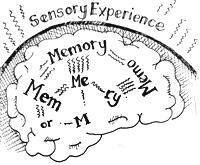
Memory is an emotional, sensory and experiential process. Spaced retrieval is one way we can remember better, but there are other techniques have been shown to be just as, if not more, effective. The first way we remember anything is… Continue reading
-
Copying the ‘masters’.
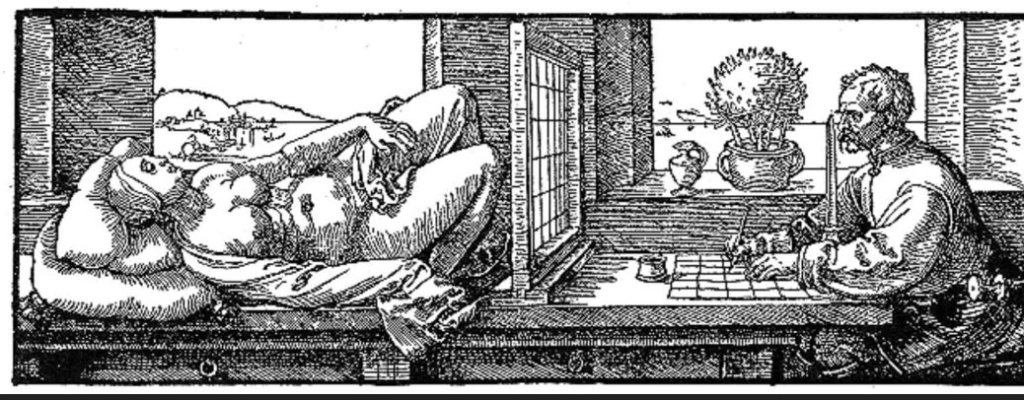
“The artist must imitate one of three objects: things as they were or are, things as they are said or thought to be, or things as they ought to be.” Aristotle 4th century BCE Aristotle’s Poetics Copying, mimesis, or iteration,… Continue reading
-
Metabolic Innovation in Biology; Life’s Creative mechanisms
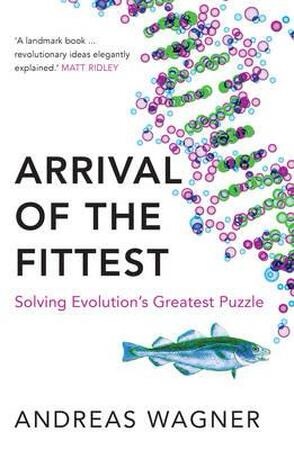
Creativity in nature requires a huge variety of diverse possibilities and an incredible genotype network to support an almost infinite range of options. All life is made up of cells and there are many many different types. Cells work in… Continue reading
-
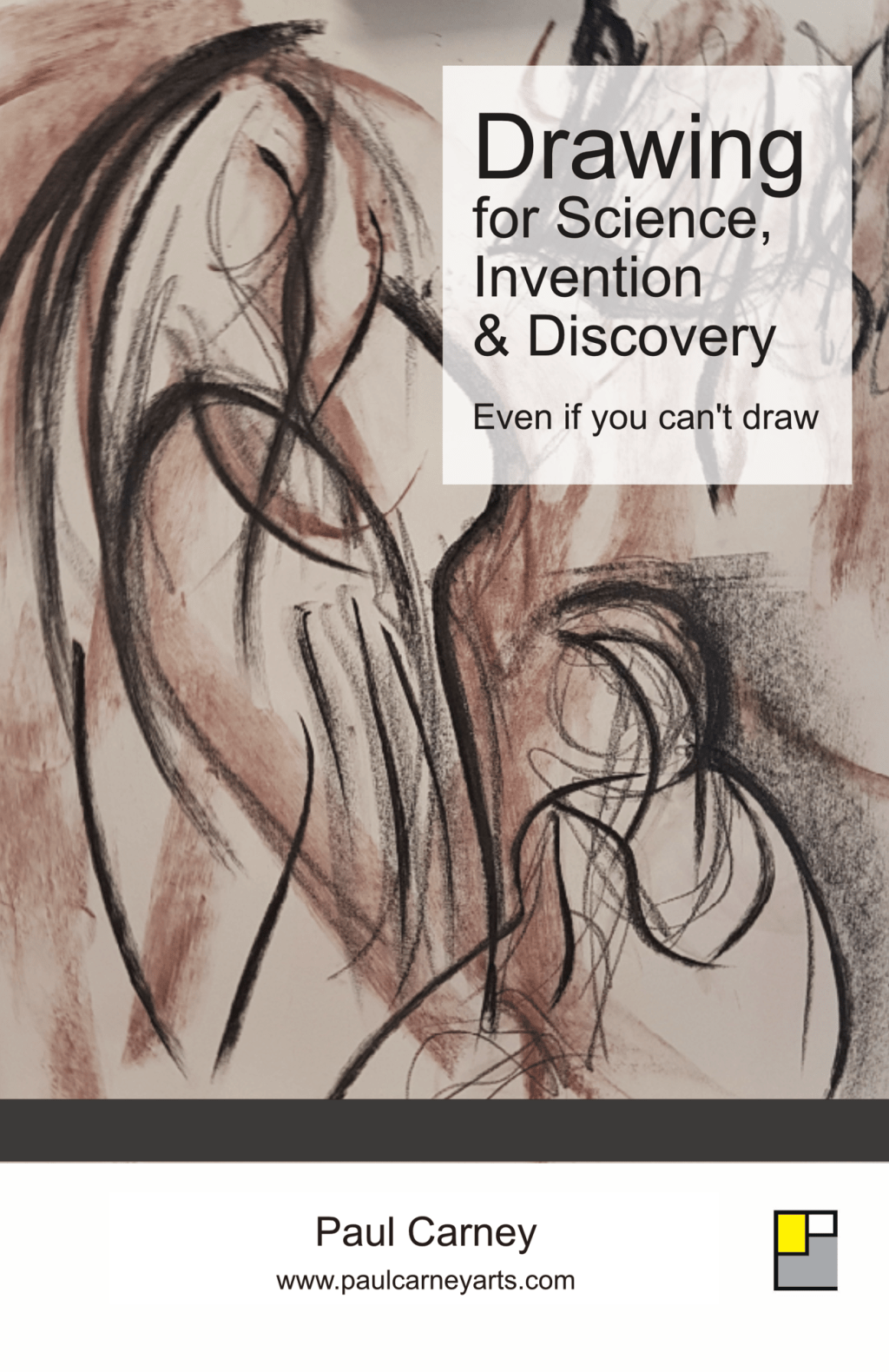
Drawing for Science, Invention & Discovery
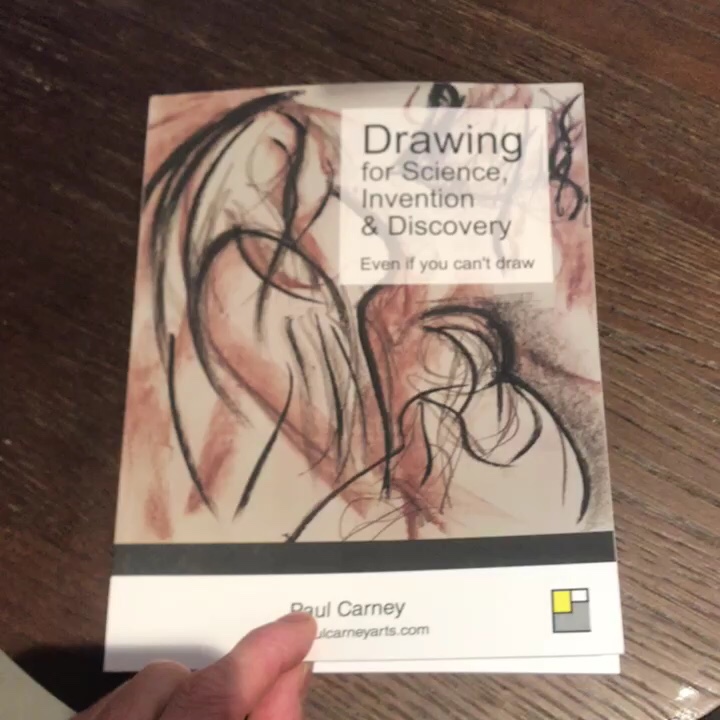
Buy it from: www.paulcarneyarts.com This book is aimed at all the scientists, mathematicians, engineers, pioneers and thinkers out there who understand the value of creative thinking in their field. It identifies some of the key cognitive processes that drive innovation,… Continue reading
-
Drawing for Anatomy
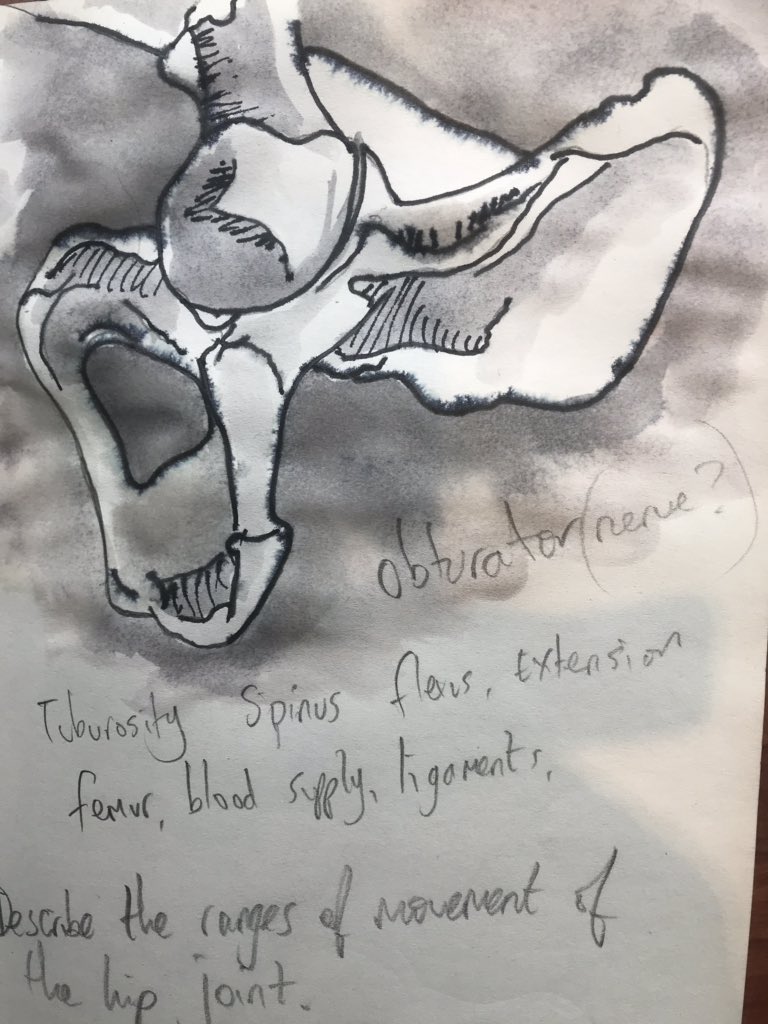
I observed a second-year medical students’ practical anatomy session at the school of medical education, Newcastle University in May 2019 under the tutelage of Doctor Joanna Matthan. It was a great honour to be given an insight into this important… Continue reading
-
I dont have a creative bone in my body…
“I dont have a creative bone in my body.” I hear this a lot. It usually comes from people who aren’t ‘arty’ types. These people believe that if they don’t make their own craft Christmas cards or attend local art… Continue reading
-
Can Creativity be taught? Yes, I do it every day.
Creativity; noun – the use of imagination or original ideas to create something. Inventiveness. Source; Oxford English Dictionary There is a general agreement among scholars that creativity involves the production of novel, useful products,” (Mumford, 2003, p. 110) however hundreds of… Continue reading
-
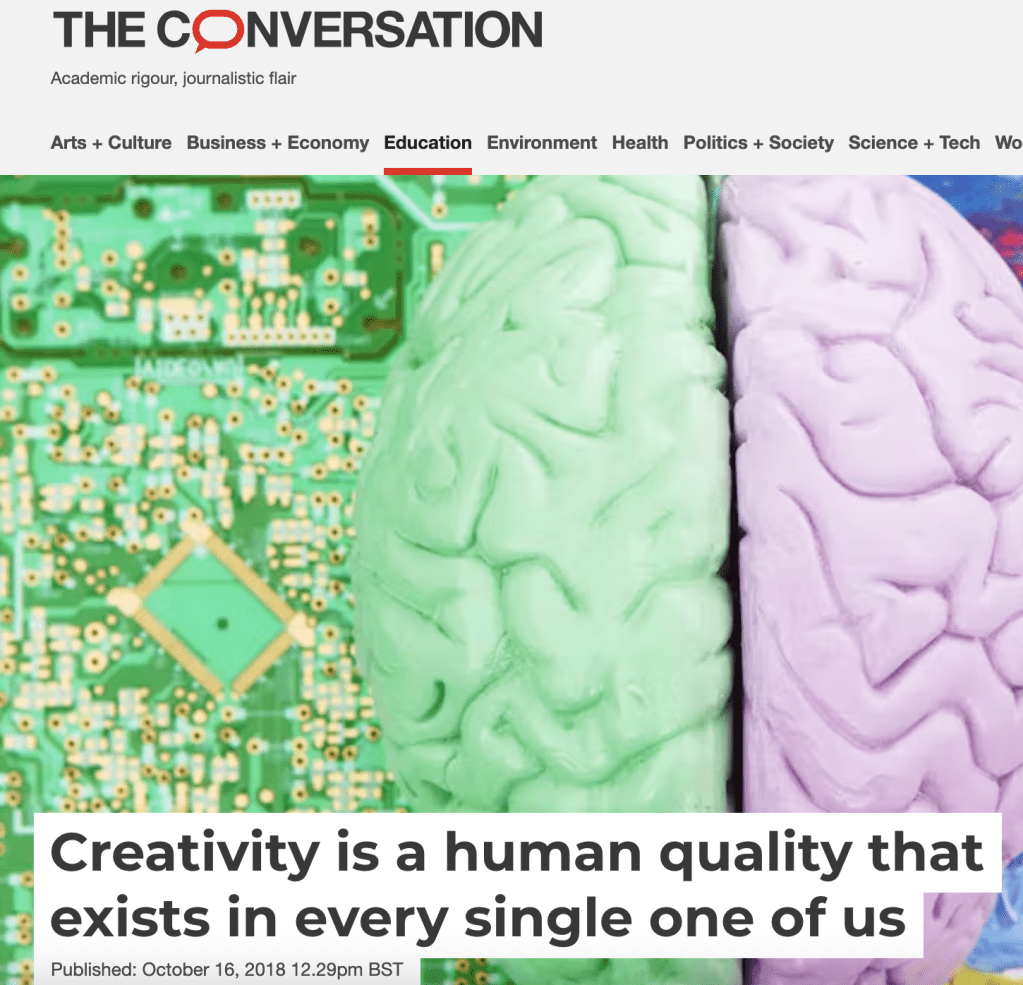
Creativity Myths
Creativity arises naturally as a result of knowing more The most knowledgeable people aren’t necessarily the most creative. In fact, it’s often the naive newcomer with a fresh pair of eyes that makes a breakthrough. Increasing knowledge means increasing awareness… Continue reading
-
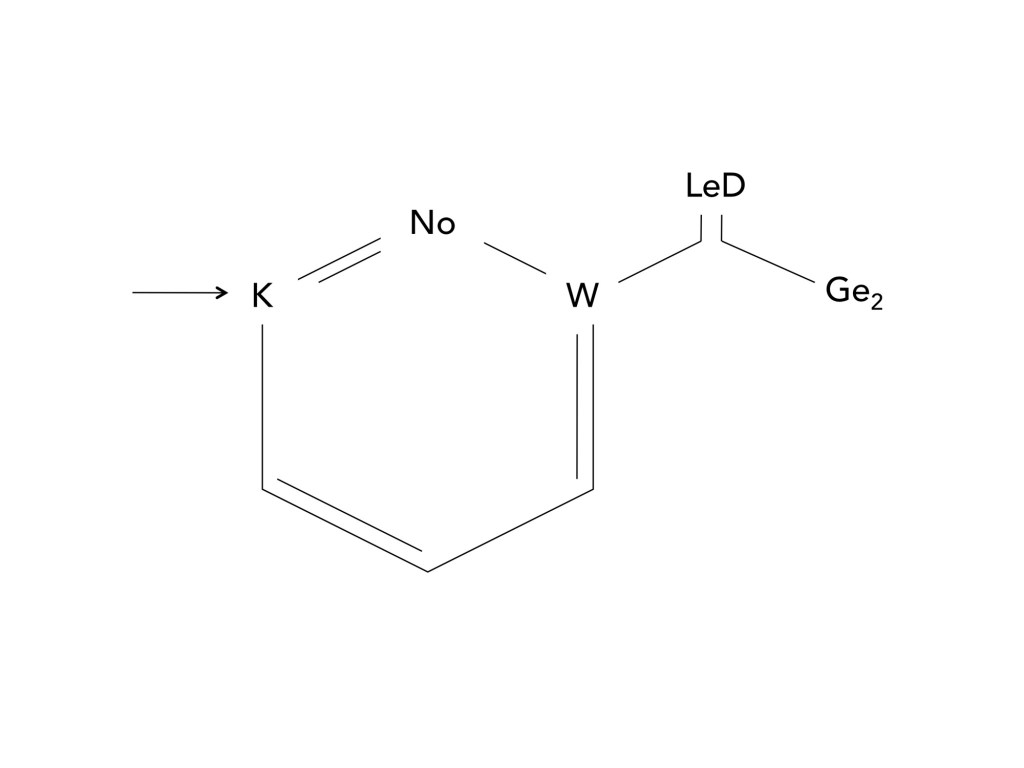
Factual knowledge
Why increasing factual knowledge doesn’t automatically lead to greater creative insight & why simply being creative doesn’t either Psychologist Csikszentmihalyi says we can be creative or Creative. Small ‘c’ creativity he describes as that which does not lead to a… Continue reading
-
10 Classroom Strategies for Enhancing Memory
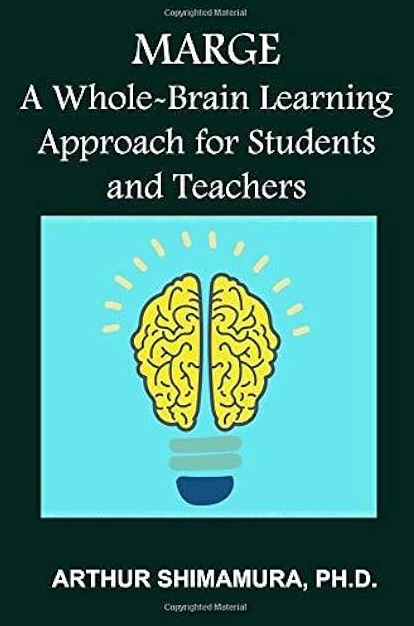
This article is based on an article by Christopher Pappas for the eLearning Industry (Instructional Design -7 strategies for eLearning Professionals) and MARGE by Arthur Shimamura If we want students to remember our lessons we should try to make them… Continue reading
-
The problem with Cognitive Load Theory for general learning
This article is my own summary interpretation of the paper; Cognitive Load Theory, what does it mean for learning designers? By Walkergrove 2014. Cognitive Load Theory is a well researched, well proven and generally unchallenged practice of instruction that demonstrates… Continue reading
 Paul Carney’s Blog