Creativity
-
How to be a creative genius
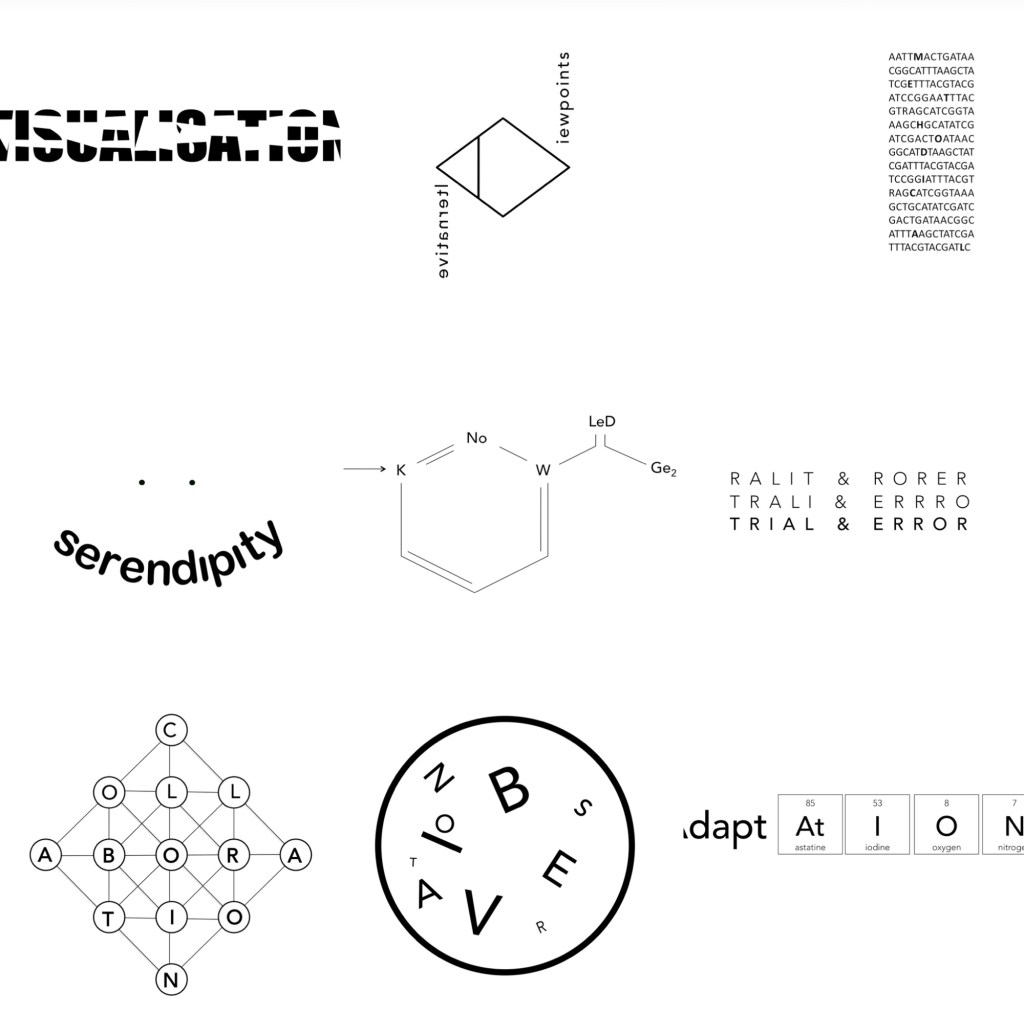
There are so many misconceptions about creativity it’s hard to know where to begin. The general trope is that creativity is some kind of arty feeling of free expression. Make a chaotic mess and you’re being ‘creative’. The problem with… Continue reading
-
Four types of play that help us be more creative
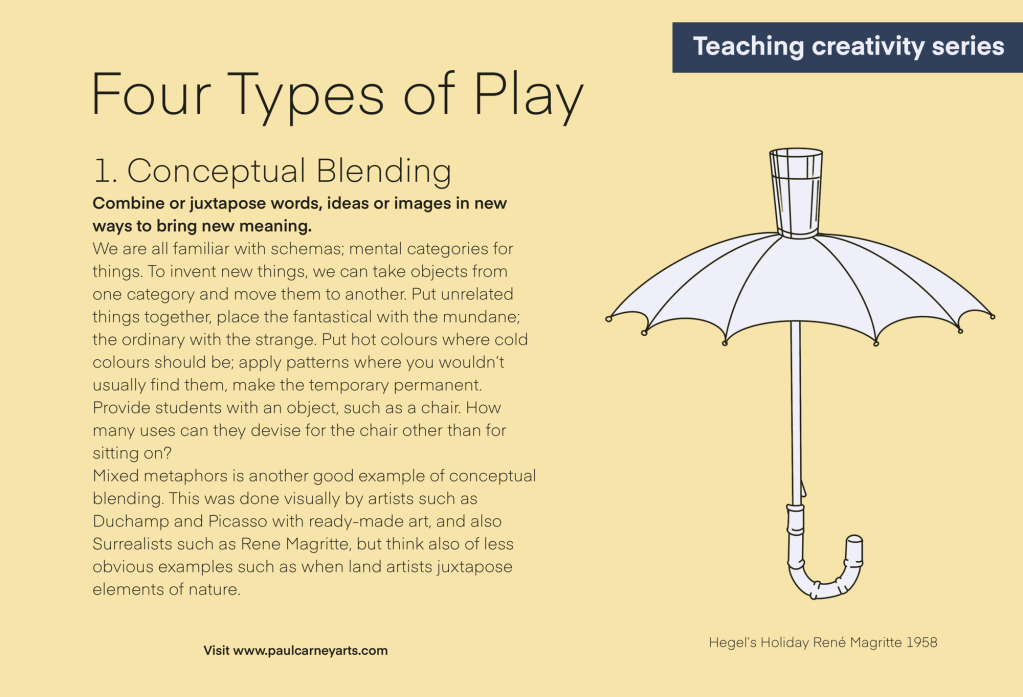
Play is a profound way to learn and is inherent to our species. We can formulate play activities, engineer them in ways that facilitate particular experiences. In other words, we can teach it. #creativitycanbetaught 1. Conceptual Blending Combine or juxtapose… Continue reading
-
AI – the artists friend, not foe
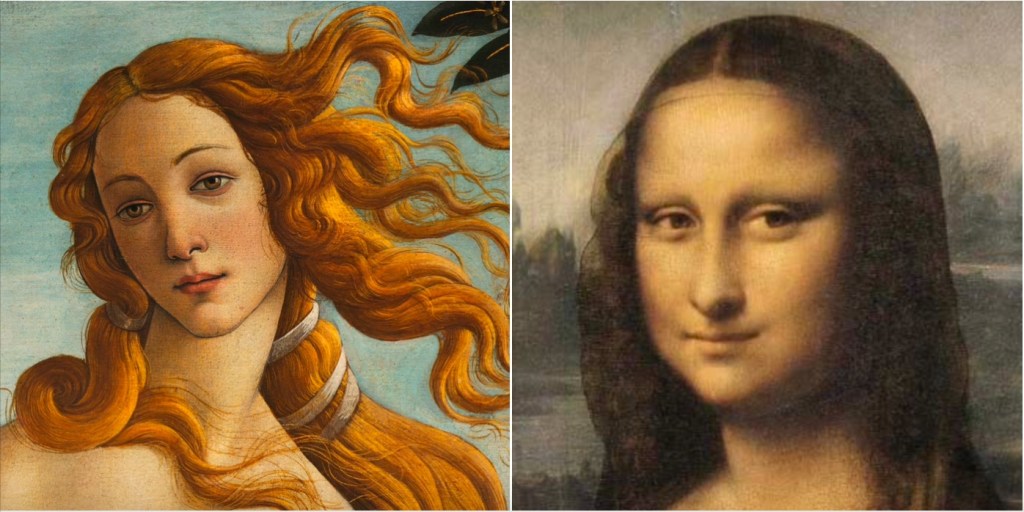
A while ago now, I wrote a post called Art is dead, long live AI. In it, I spelled out how AI works creatively, and gave some practical ways in which we can teach AI skills in art rooms in… Continue reading
-
The Beatles’ Creative Influences
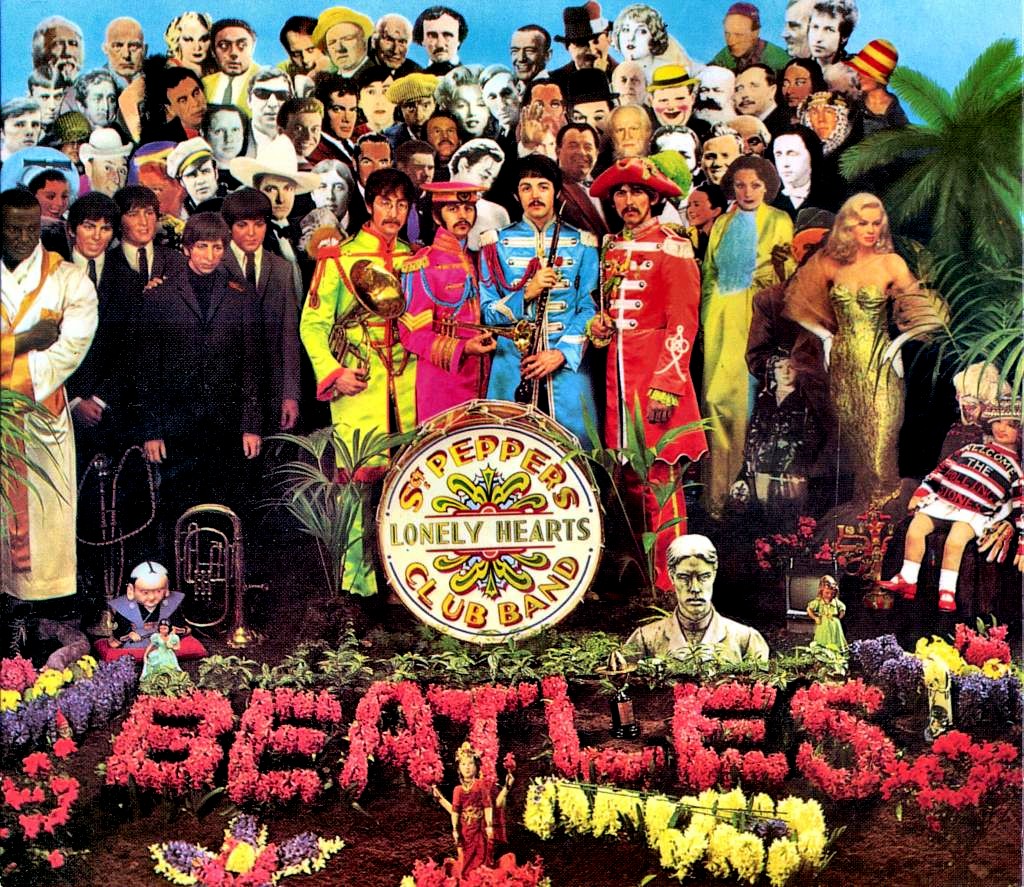
The Beatles were some of the most creative people who have graced popular culture. So, what inspired the Beatles songwriting and how might we use this to inform our own creativity? Here are some examples I recorded from Paul and… Continue reading
-
Creative Choice
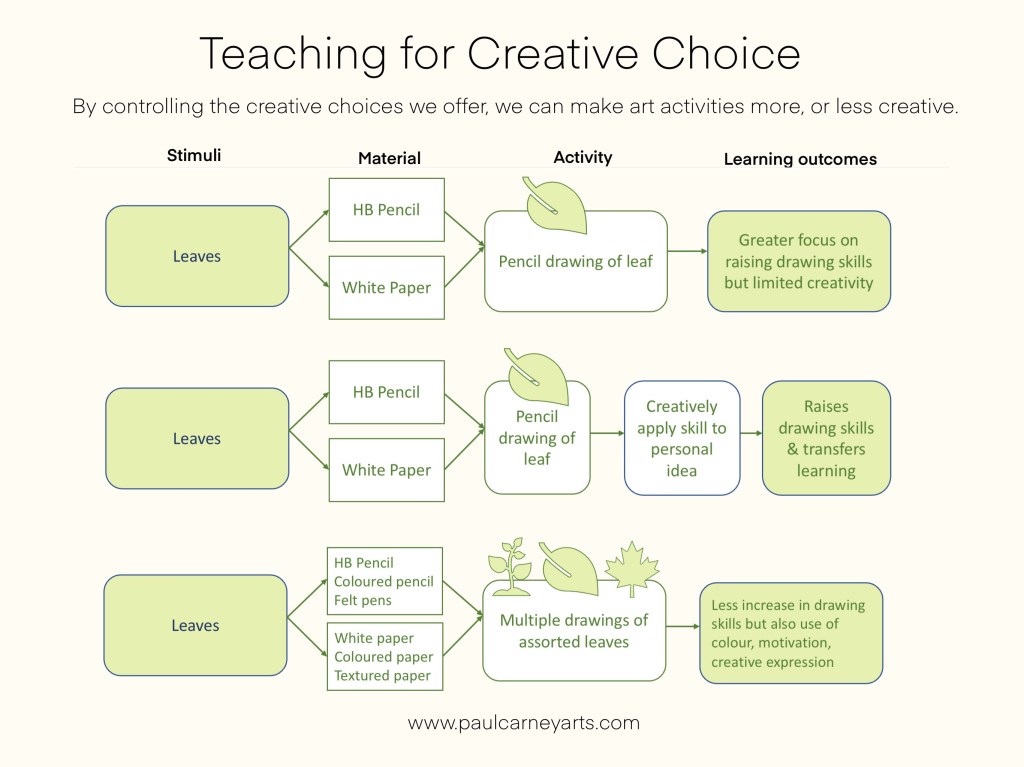
Some teachers believe that we need to master skills before we can be creative. They say that creativity cannot be properly realised without the skill to express it. So, they might narrow the creative activity to focus on mastering a… Continue reading
-
You CAN teach creativity
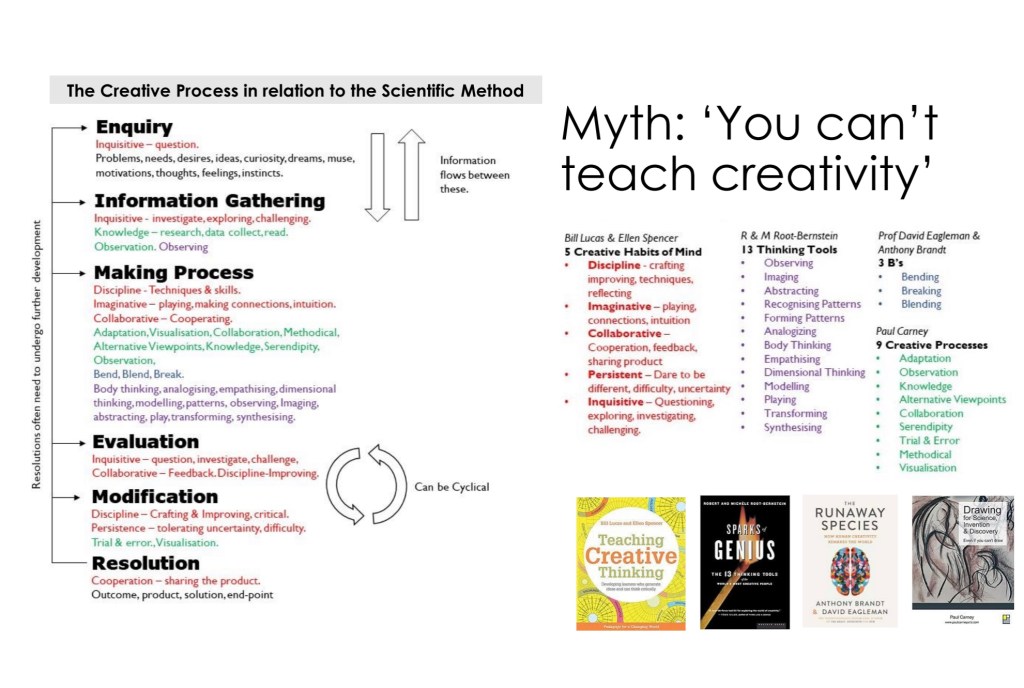
By Paul Carney http://www.paulcarneyarts.com Some very knowledgeable people say ‘you can’t teach creativity’. You can. As a creative teacher, I teach people how to be creative all the time. I can teach you the historical processes by which inventions and… Continue reading
-
Developing imagination in learners
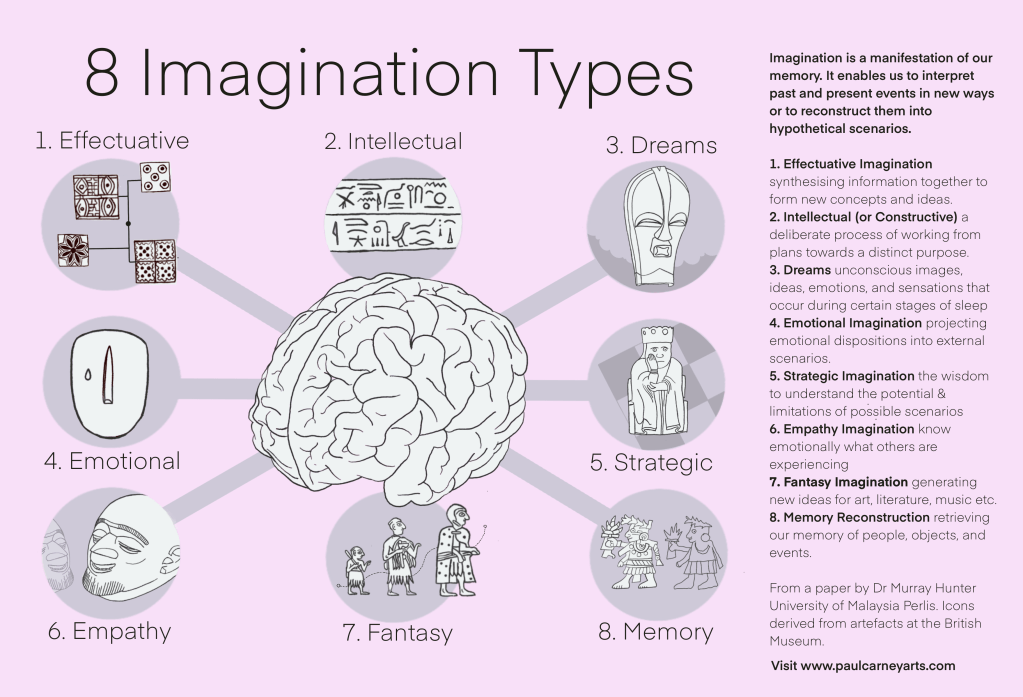
Imagination is the foundation of all inventiveness and innovation. It is uniquely human, and with it, we have been able to think, design, conceive, construct and develop our whole human society. Imagination is a powerful tool for learning and with… Continue reading
-
Artistic development in Children
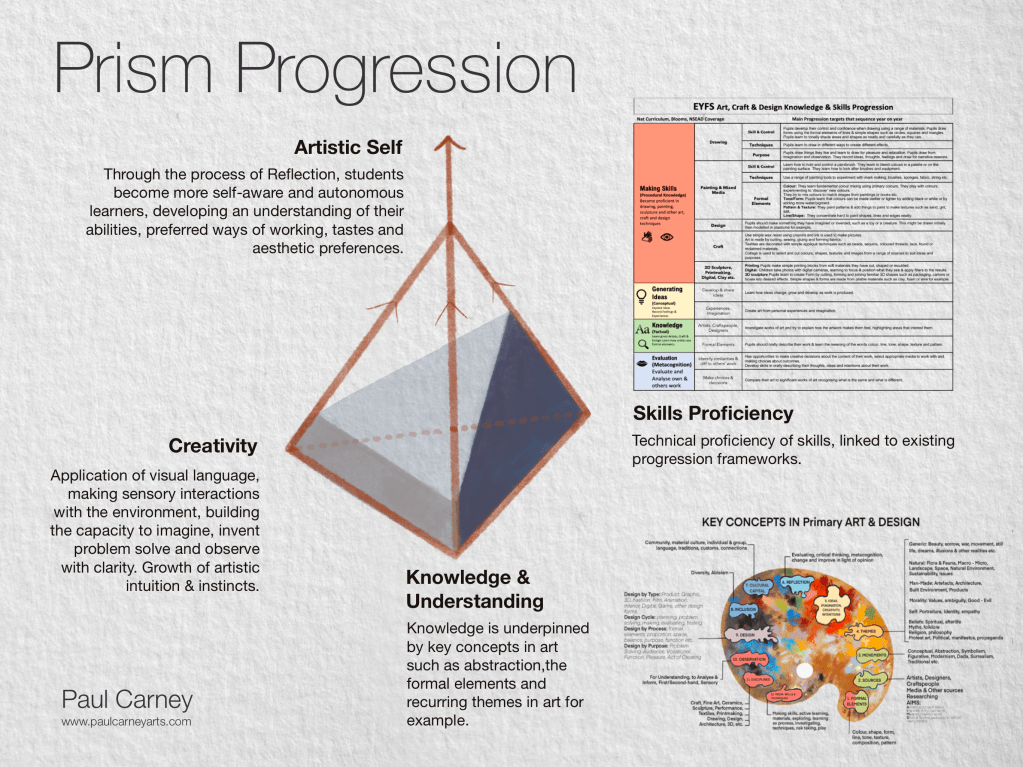
By Paul Carney This blog post contains extracts from an essay by Anna Kindler – Art in early Childhood “One man may sketch something with his pen on half a sheet of paper in one day, or may cut it… Continue reading
-
Copying the ‘masters’.
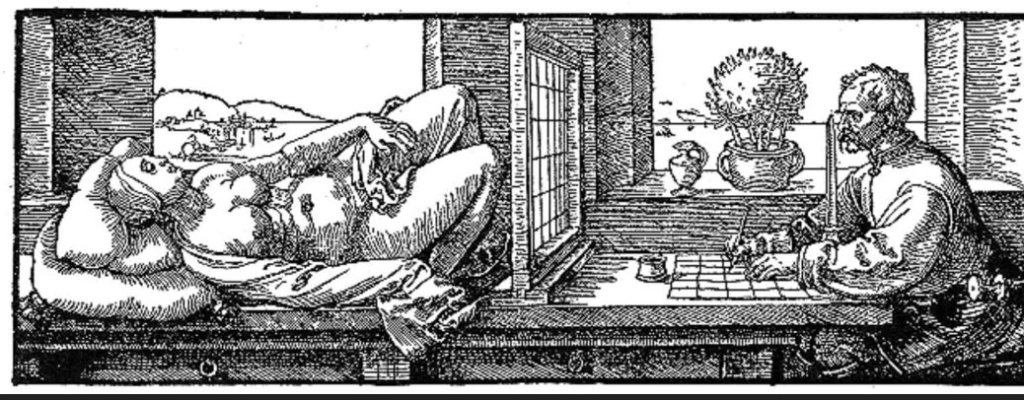
“The artist must imitate one of three objects: things as they were or are, things as they are said or thought to be, or things as they ought to be.” Aristotle 4th century BCE Aristotle’s Poetics Copying, mimesis, or iteration,… Continue reading
-
Metabolic Innovation in Biology; Life’s Creative mechanisms
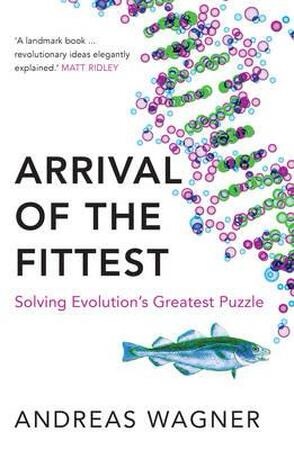
Creativity in nature requires a huge variety of diverse possibilities and an incredible genotype network to support an almost infinite range of options. All life is made up of cells and there are many many different types. Cells work in… Continue reading
-
Drawing for Science, Invention & Discovery
Buy it from: www.paulcarneyarts.com This book is aimed at all the scientists, mathematicians, engineers, pioneers and thinkers out there who understand the value of creative thinking in their field. It identifies some of the key cognitive processes that drive innovation,… Continue reading
-
I dont have a creative bone in my body…
“I dont have a creative bone in my body.” I hear this a lot. It usually comes from people who aren’t ‘arty’ types. These people believe that if they don’t make their own craft Christmas cards or attend local art… Continue reading
-
Can Creativity be taught? Yes, I do it every day.
Creativity; noun – the use of imagination or original ideas to create something. Inventiveness. Source; Oxford English Dictionary There is a general agreement among scholars that creativity involves the production of novel, useful products,” (Mumford, 2003, p. 110) however hundreds of… Continue reading
-
Creativity Myths
Creativity arises naturally as a result of knowing more The most knowledgeable people aren’t necessarily the most creative. In fact, it’s often the naive newcomer with a fresh pair of eyes that makes a breakthrough. Increasing knowledge means increasing awareness… Continue reading
-
Explaining Creativity in education
Psychologist Csikszentmihalyi says we can be creative or Creative. Small ‘c’ creativity he describes as that which does not lead to a change in the symbolic domain of the culture; so small scale, personal acts of indulging in a playful,… Continue reading
-
Knowledge first, then skills, then creativity?
Knowledge first. Then skills. Then creativity? This makes no sense to me. What knowledge do you refer to? Which skills and what form of creativity? There are around 17 different knowledge types according but these are more commonly related to… Continue reading
-
Are you teaching art all wrong?
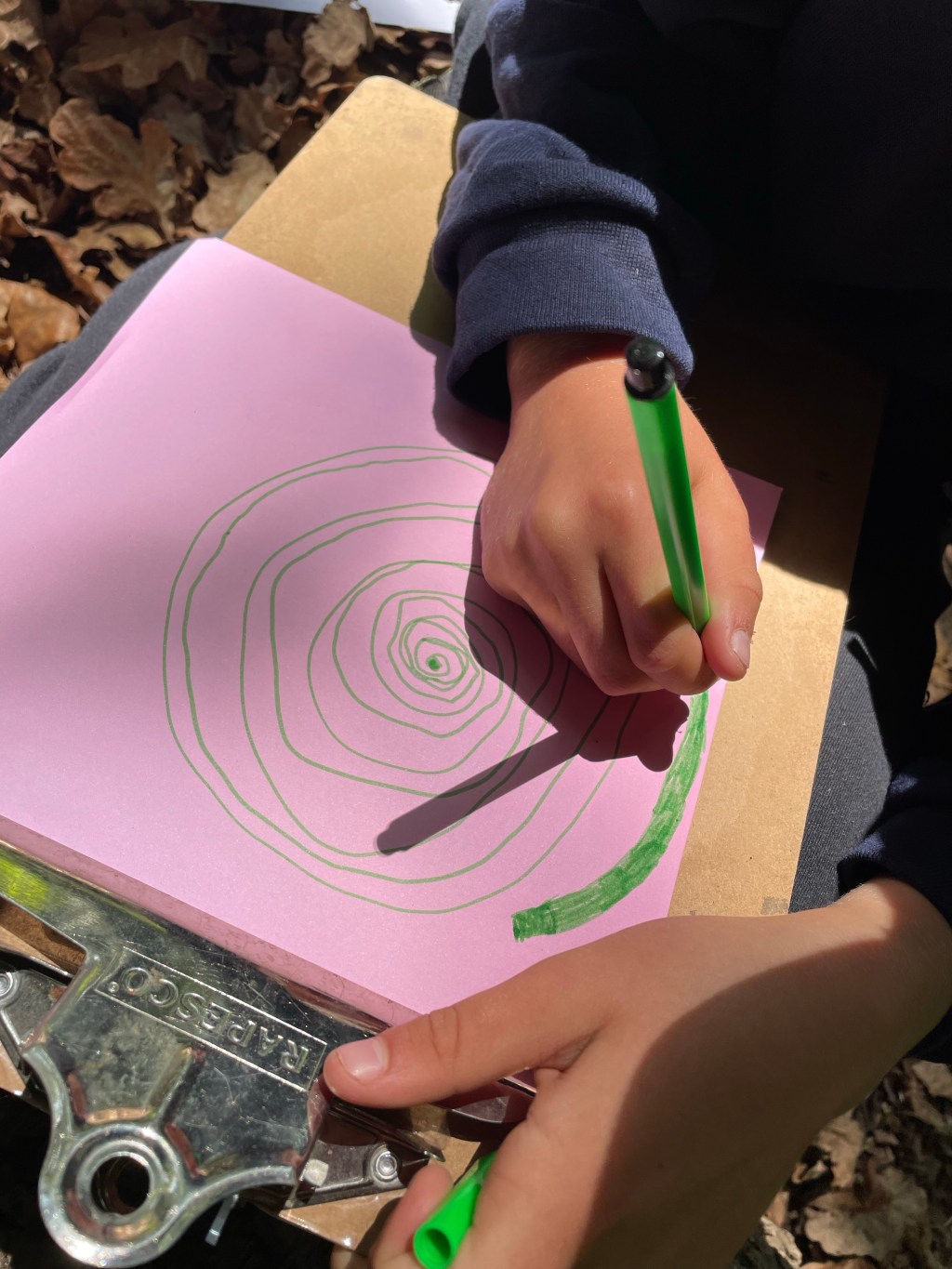
Ok I accept this may be a fairly contentious blog post and that not everyone will agree with me, but here’s my two penneth worth. Outcome driven artMost of the art in schools I see is outcome driven. In Primary… Continue reading
-
The Art of Questions
This article appeared in NSEAD’s AD Magazine January 2016 When planning and delivering lesson content teachers are continually striving for a balance between ensuring their pupils achieve the intended learning objectives and maintaining their motivation. We can’t place enjoyment above… Continue reading
-
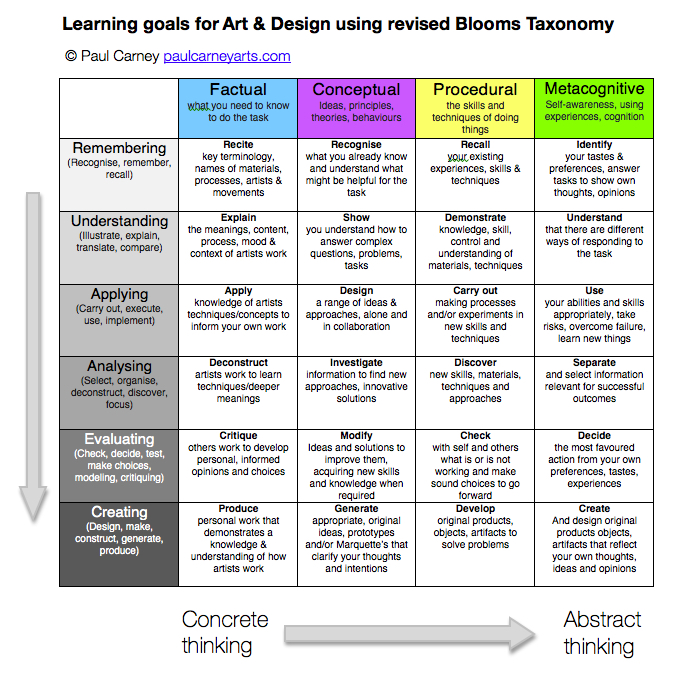
Progression in Art & Design using revised Blooms
Revised Blooms Learning Objectives for Art & Design that facilitate progression. Continue reading
-
Does anyone know of an artist who does . . . ?
Good art teaching comes from the development of planning that opens minds, it doesn’t direct outcomes. Continue reading
-
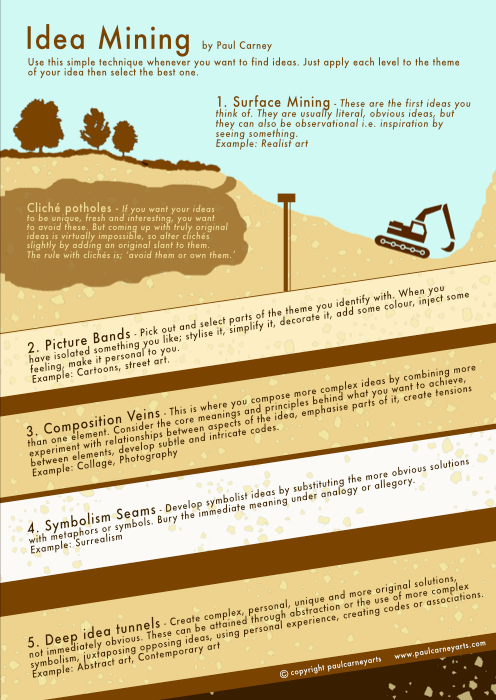
Idea Mining
Idea Mining – This art lesson involves applying the objective or purpose of the idea to different thinking strands, to facilitate the more complex production of ideas. Continue reading
-
Creative Lesson Planning
One of the ways I see creativity being stifled is when well meaning teachers plan their lessons. Instead of planning for freedom of choice, they plan very controlled experiences. Instead of encouraging risk and exploration they limit the materials to… Continue reading
-
Creating creative lessons and happy, independent students
When PLANNING AND PREPARING for creative lessons consider: The creativity you want to tap into Is it a new experience or a new way of seeing, is it relative… Continue reading
 Paul Carney’s Blog
You must be logged in to post a comment.