Art Pedagogy
Information about the teaching of art and design.
-
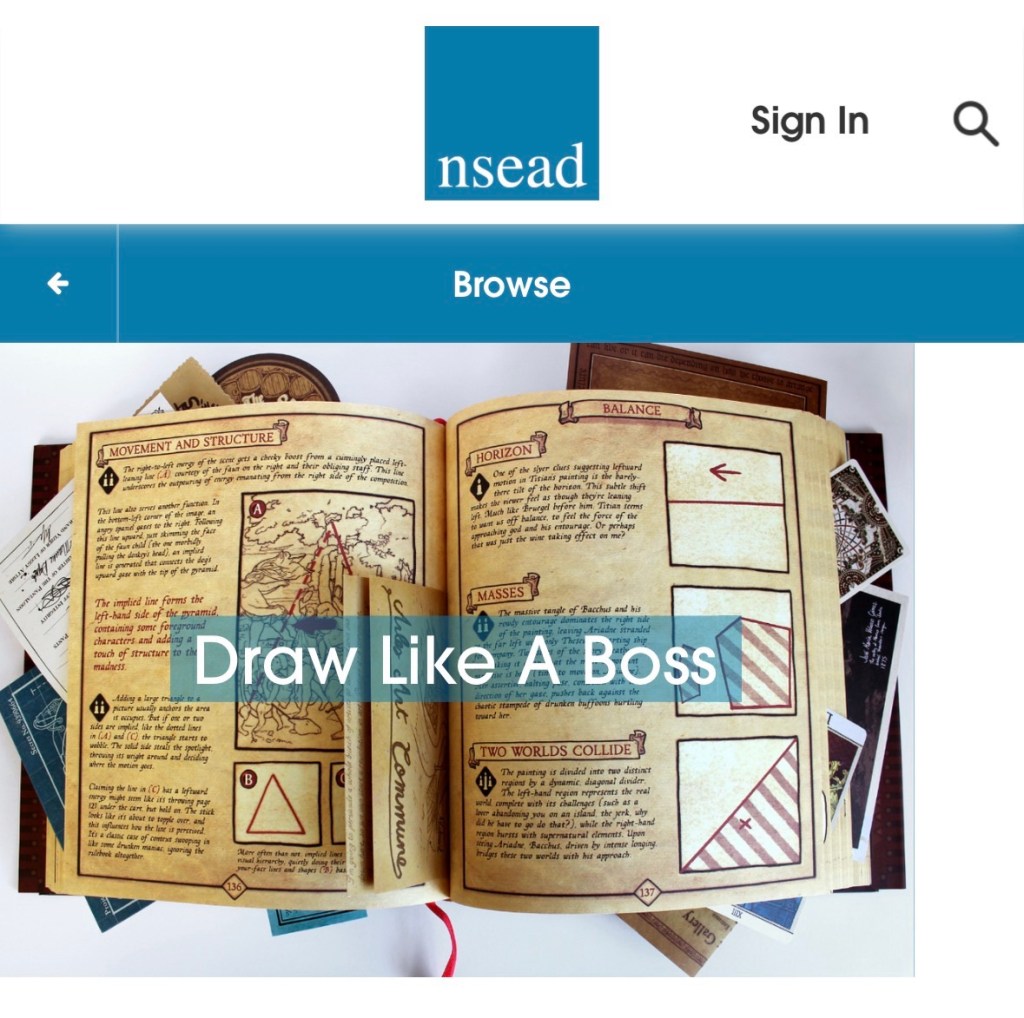
Draw Like a Boss
In this interview, author Ashley Edge and Paul Carney explore the purpose of drawing and learning to draw, including explicit instruction. Ashley Edge is a Lake District based artist and the author of the Draw Like a Boss series of… Continue reading
-
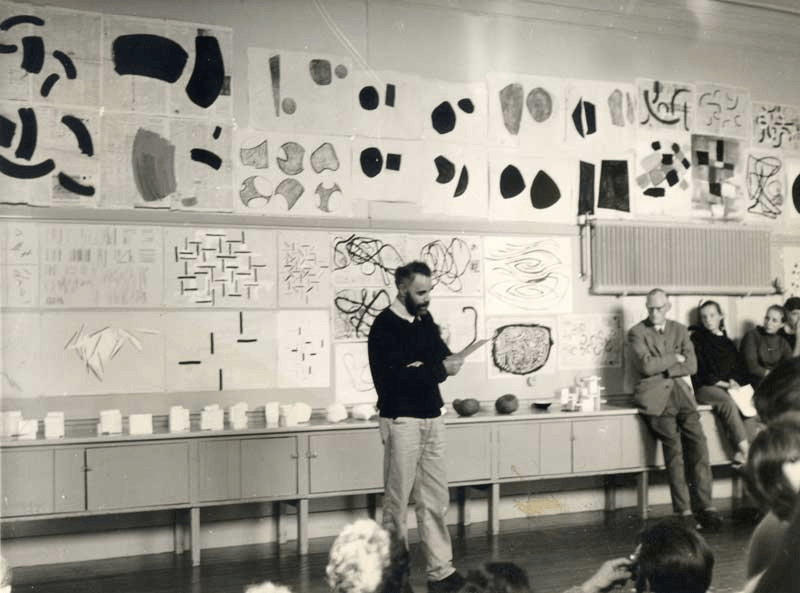
A Potted History of Art Pedagogy
‘Pedagogy, most commonly understood as the approach to teaching, is the theory and practice of learning, and how this process influences, and is influenced by, the social, political and psychological development of learners. Pedagogy, taken as an academic discipline, is… Continue reading
-
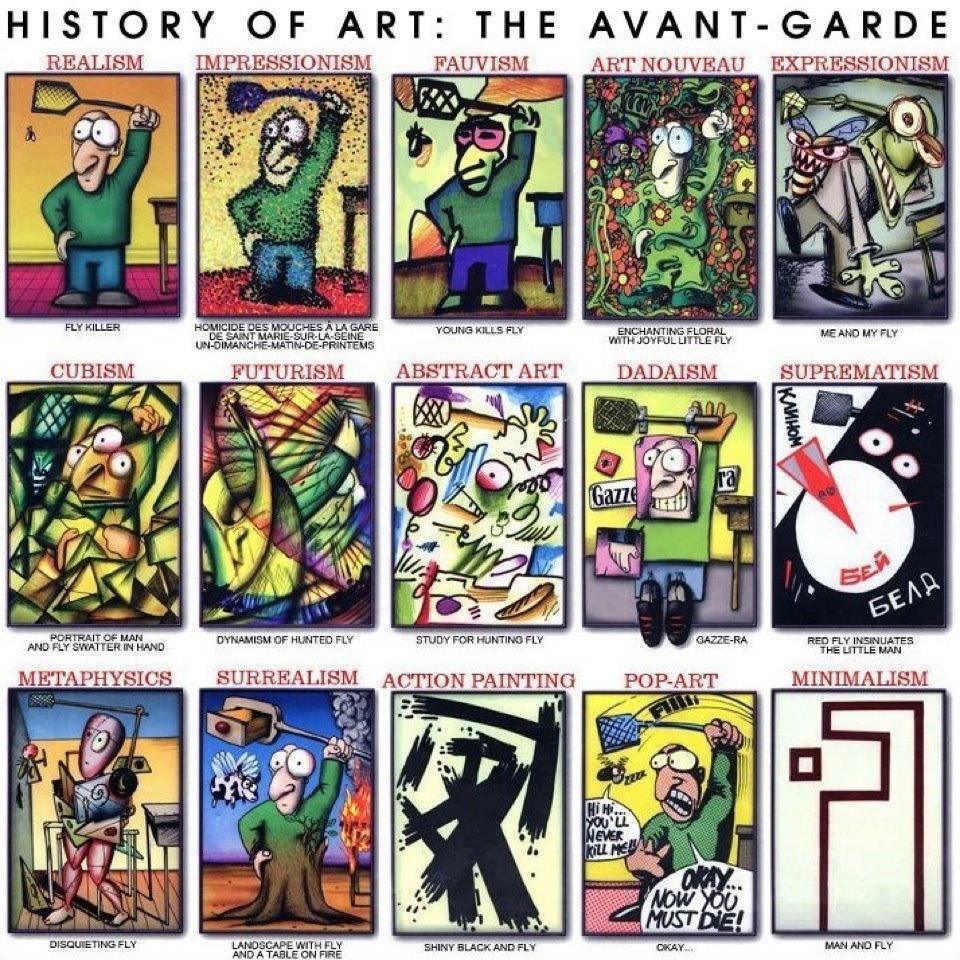
Art is dead. Long live AI
Art is dead. Surely, artists are redundant now that we can just pop a few prompts into an AI engine and get a stunning piece of art? Artificial Intelligence software can produce new images based on a set of parameters… Continue reading
-
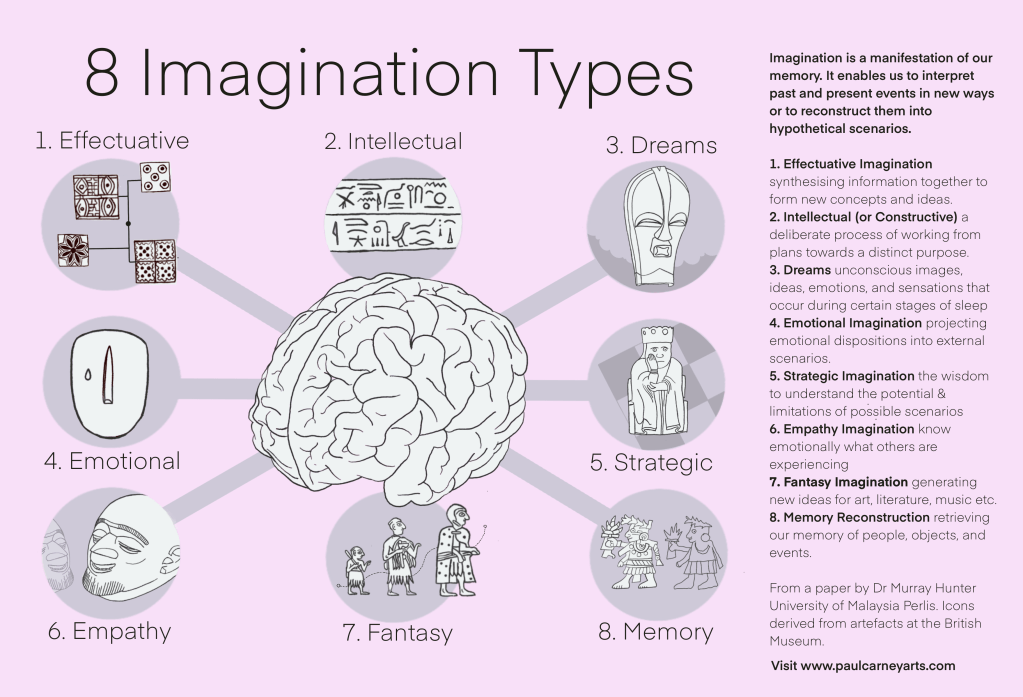
Developing imagination in learners
Imagination is the foundation of all inventiveness and innovation. It is uniquely human, and with it, we have been able to think, design, conceive, construct and develop our whole human society. Imagination is a powerful tool for learning and with… Continue reading
-
Schemas
The term schema refers to the cognitive structures we have to describe various categories of knowledge about the world. Theorist Jean Piaget introduced the term schema, and they are linked to his theory of cognitive development, which said that children… Continue reading

-
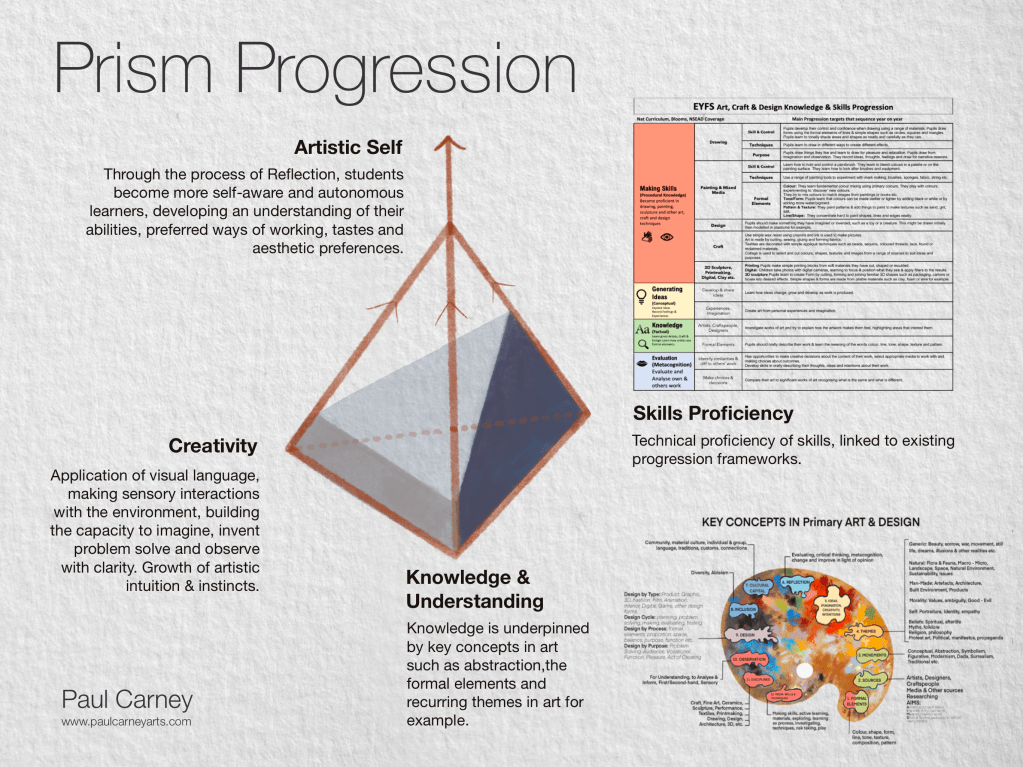
Artistic development in Children
By Paul Carney This blog post contains extracts from an essay by Anna Kindler – Art in early Childhood “One man may sketch something with his pen on half a sheet of paper in one day, or may cut it… Continue reading
-
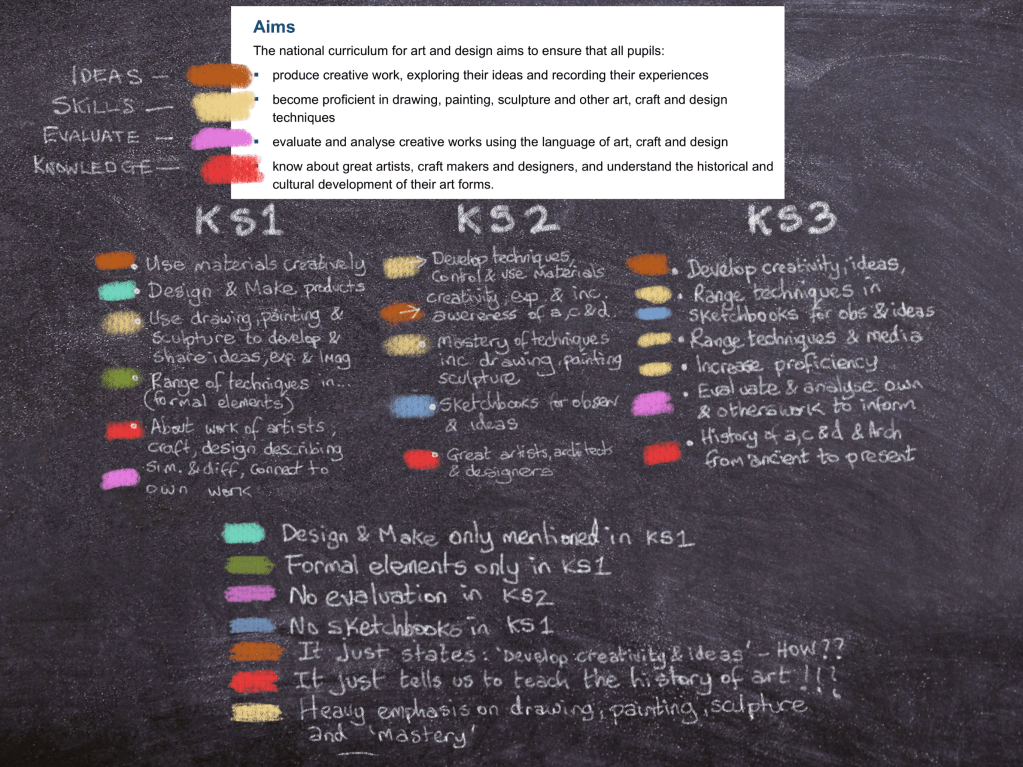
Sequencing learning in art and design? Don’t ask the DfE!
Schools all over England are being judged by Ofsted on their ability to sequence learning and progression in the subject, despite the fact that the national curriculum for art and design in England isn’t properly sequenced and it’s progression of… Continue reading
-
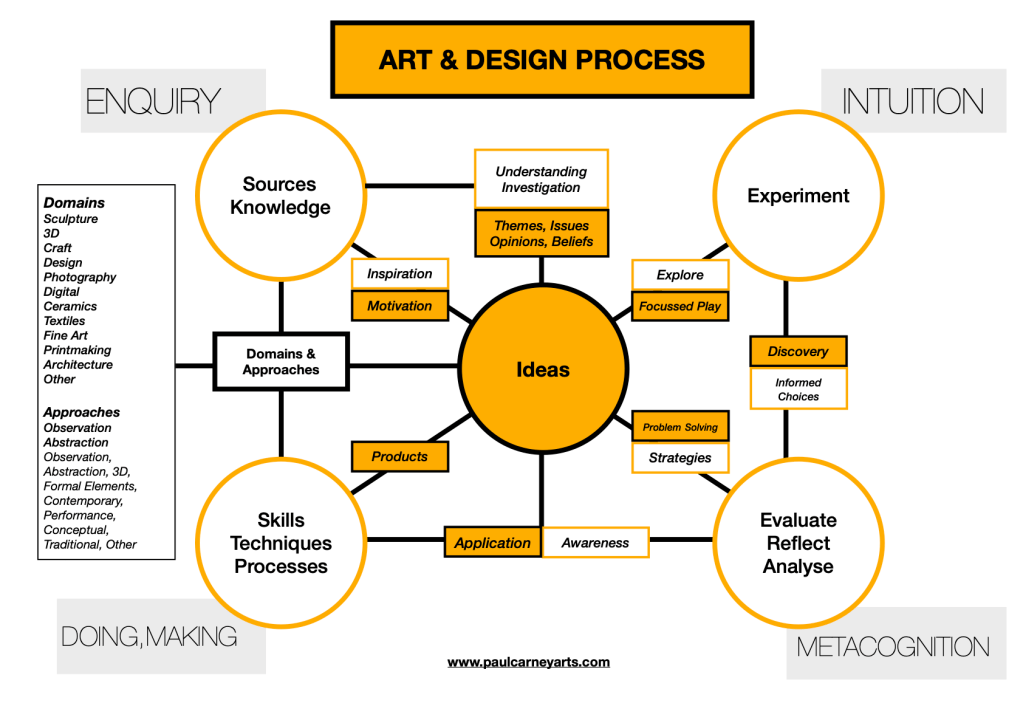
Art and Design Process
Making art is a complex, diverse process that can take many forms and be shaped by a wide range of factors. I’ve attempted to outline the main ones in a series of graphic organisers that could help teachers plan activities… Continue reading
-
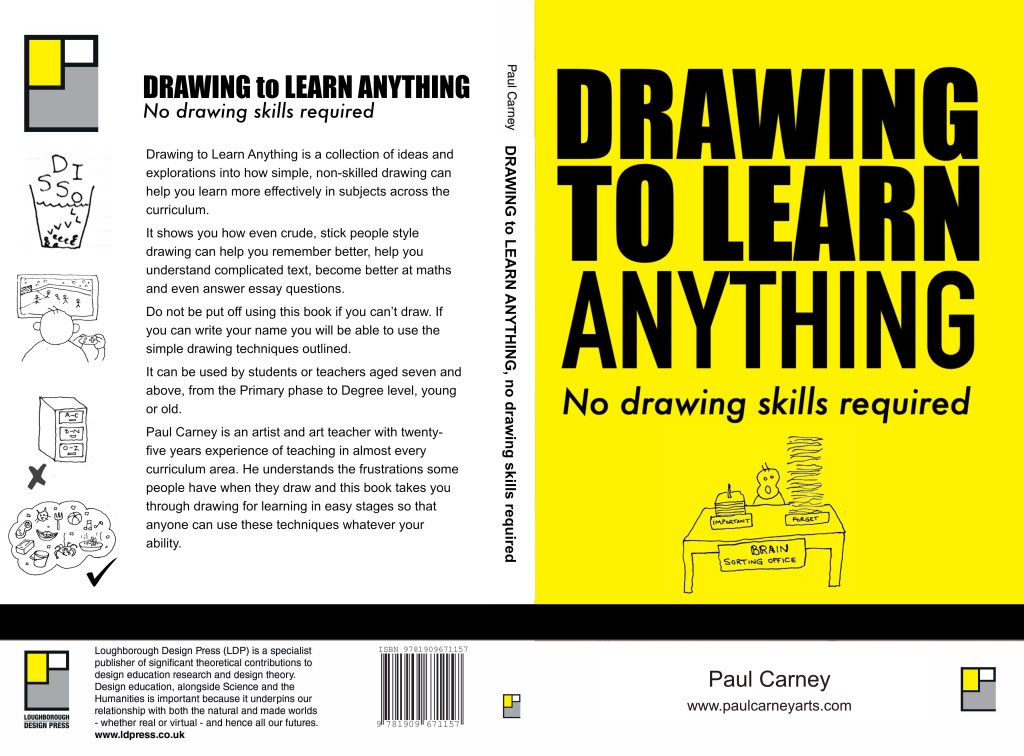
Drawing to Learn Anything
The exercises and techniques used in this post are contained in my book: Drawing to Learn Anything. Buy from www.paulcarneyarts.com Drawing to Learn Anything is a collection of ideas and explorations into how simple, non-skilled drawing can help you learn… Continue reading
-
Memory is human. The Hidden Half of Pedagogy.
Education is made up of a wide range of disciplines and delivered (usually) in classrooms to children aged three upwards. No two schools are identical, no class of children the same, some areas are affluent, some deprived. The education of… Continue reading
-
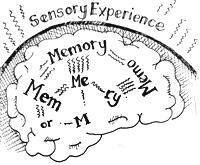
The best way to remember something is to make it memorable.
Memory is an emotional, sensory and experiential process. Spaced retrieval is one way we can remember better, but there are other techniques have been shown to be just as, if not more, effective. The first way we remember anything is… Continue reading
-
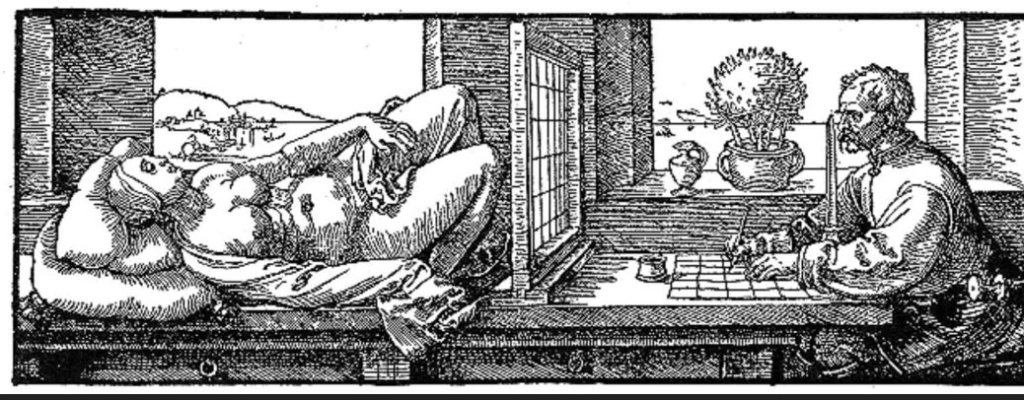
Copying the ‘masters’.
“The artist must imitate one of three objects: things as they were or are, things as they are said or thought to be, or things as they ought to be.” Aristotle 4th century BCE Aristotle’s Poetics Copying, mimesis, or iteration,… Continue reading
-
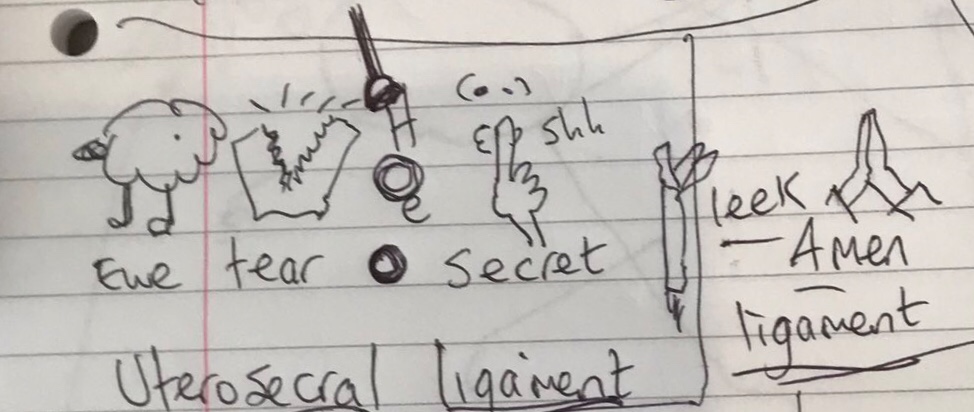
Syllable Association Drawing (SAD) Memory Technique
To remember complex words and terminology try the SAD technique that uses a combination of familiar, well-researched memory techniques. I don’t lay claim to inventing the memory techniques, only that I have developed a method of combining them into an… Continue reading
-
I dont have a creative bone in my body…
“I dont have a creative bone in my body.” I hear this a lot. It usually comes from people who aren’t ‘arty’ types. These people believe that if they don’t make their own craft Christmas cards or attend local art… Continue reading
-
Can Creativity be taught? Yes, I do it every day.
Creativity; noun – the use of imagination or original ideas to create something. Inventiveness. Source; Oxford English Dictionary There is a general agreement among scholars that creativity involves the production of novel, useful products,” (Mumford, 2003, p. 110) however hundreds of… Continue reading
-
Perfect Child
No two things in nature are exactly the same, yet everything is made from perfect, exact particles. Nature is like some eerie living Minecraft game, where electrons and atoms simulate bricks and build incredible, unique structures. The implication of this… Continue reading
-
Memory & learning blog 3 – MARGE
notes from the pdf MARGE by neuroscientist Arthur Shimamura. Thanks to Daniel Willingham for posting this. Learning is the ability to acquire knowledge from sensory experiences, where learning is perceptual (reading an x-ray), conceptual (linking new facts & ideas to… Continue reading
-
Explaining Creativity in education
Psychologist Csikszentmihalyi says we can be creative or Creative. Small ‘c’ creativity he describes as that which does not lead to a change in the symbolic domain of the culture; so small scale, personal acts of indulging in a playful,… Continue reading
-
Factual knowledge
Why increasing factual knowledge doesn’t automatically lead to greater creative insight & why simply being creative doesn’t either Psychologist Csikszentmihalyi says we can be creative or Creative. Small ‘c’ creativity he describes as that which does not lead to a… Continue reading
-
10 Classroom Strategies for Enhancing Memory
This article is based on an article by Christopher Pappas for the eLearning Industry (Instructional Design -7 strategies for eLearning Professionals) and MARGE by Arthur Shimamura If we want students to remember our lessons we should try to make them… Continue reading
-
The problem with Cognitive Load Theory for general learning
This article is my own summary interpretation of the paper; Cognitive Load Theory, what does it mean for learning designers? By Walkergrove 2014. Cognitive Load Theory is a well researched, well proven and generally unchallenged practice of instruction that demonstrates… Continue reading
-
Memory & Learning 2: Why drilling isn’t always the best way to remember things.
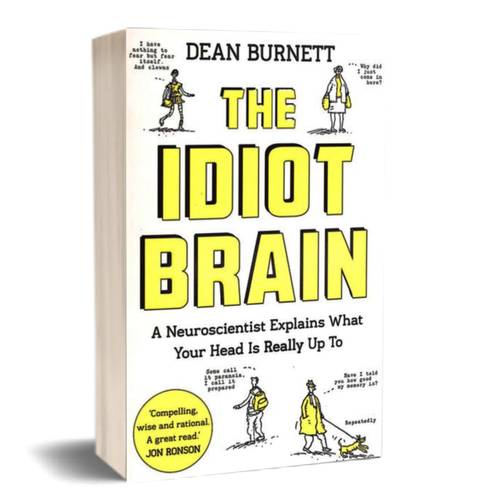
From the Idiot Brain by Professor of Neurology Dean Burnett Human memory isn’t organised like files on a computer. The brain organises memories with no logic, it cuts them up, adds irrelevant bits to them and organises them in multiple… Continue reading
-
Memory and Learning
Short term memory is largely aural – words and sounds. They usually last about a minute. This is why you have an internal monologue and think in sentences. Moving memories from short term to long term memory might be done… Continue reading
-
Knowledge first, then skills, then creativity?
Knowledge first. Then skills. Then creativity? This makes no sense to me. What knowledge do you refer to? Which skills and what form of creativity? There are around 17 different knowledge types according but these are more commonly related to… Continue reading
-
Are you teaching art all wrong?
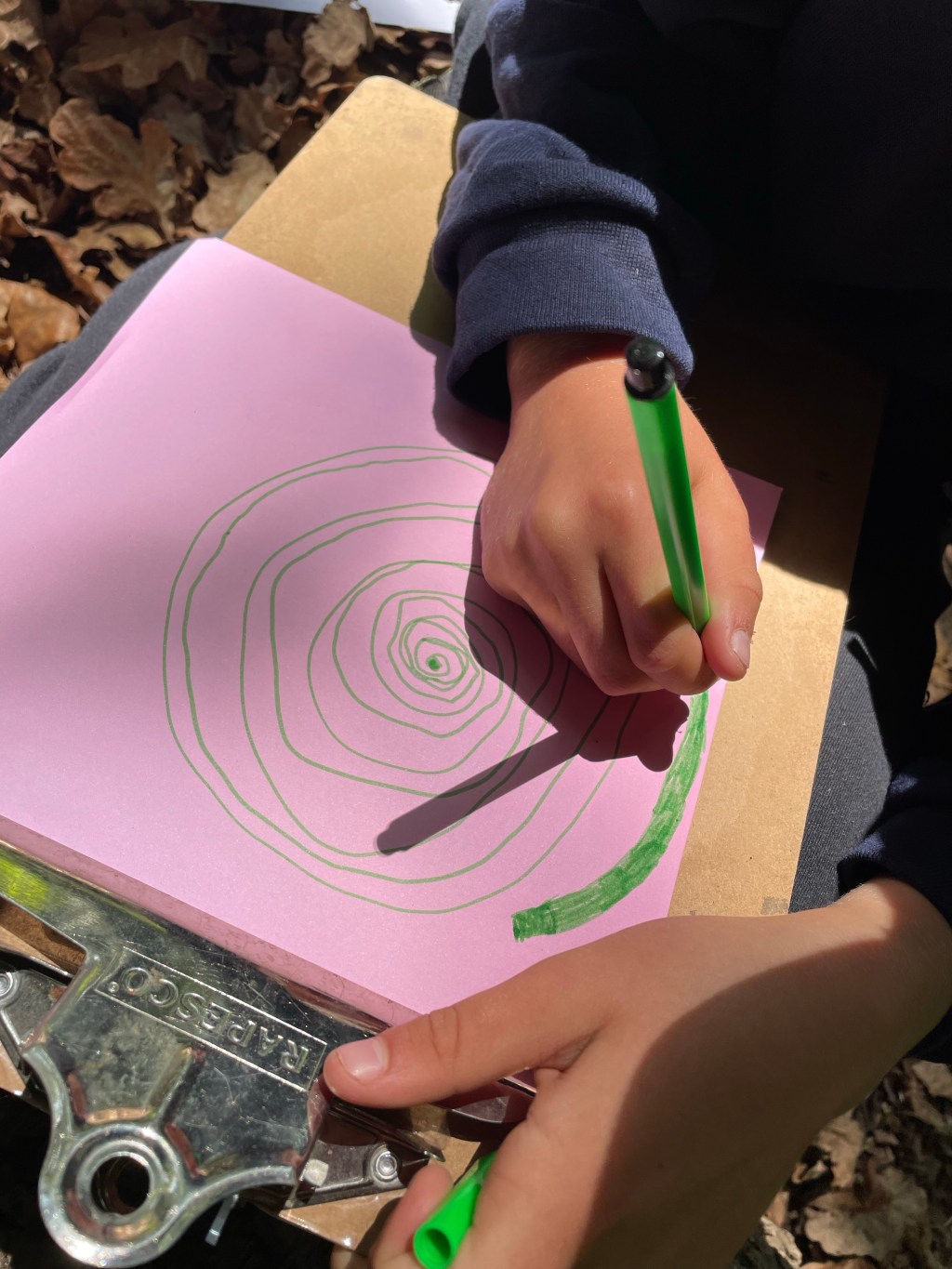
Ok I accept this may be a fairly contentious blog post and that not everyone will agree with me, but here’s my two penneth worth. Outcome driven artMost of the art in schools I see is outcome driven. In Primary… Continue reading
-
The Art of Questions
This article appeared in NSEAD’s AD Magazine January 2016 When planning and delivering lesson content teachers are continually striving for a balance between ensuring their pupils achieve the intended learning objectives and maintaining their motivation. We can’t place enjoyment above… Continue reading
-
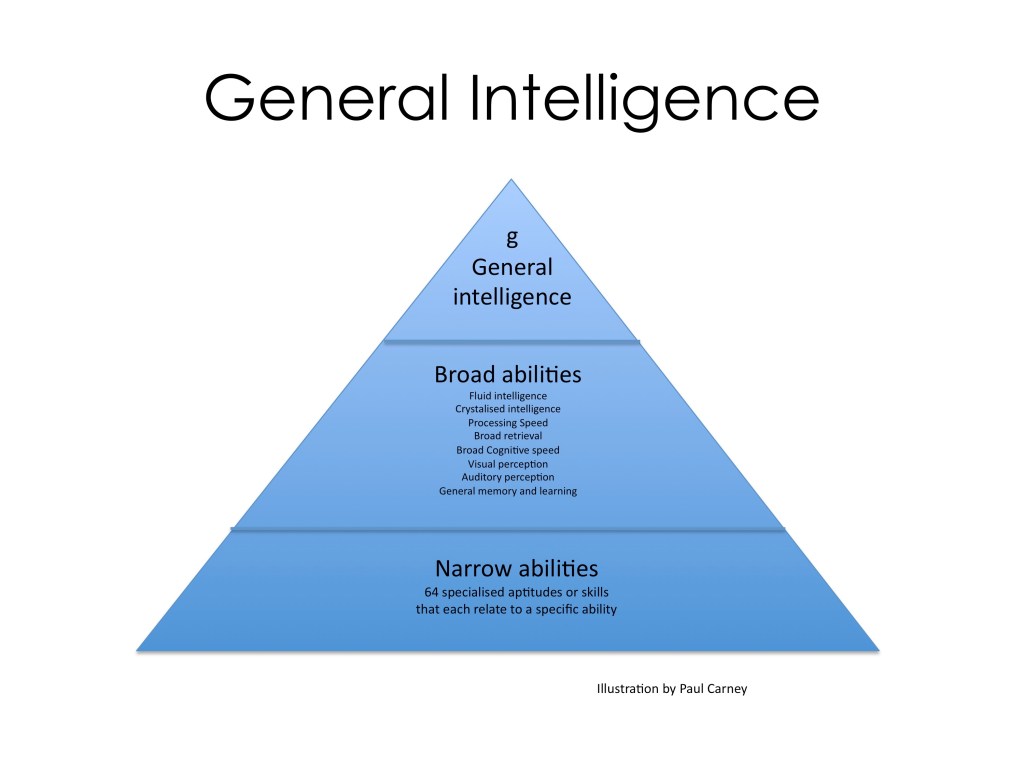
Have your students got the G Factor?
What do the scientists say really affects a person’s intelligence? Continue reading
-
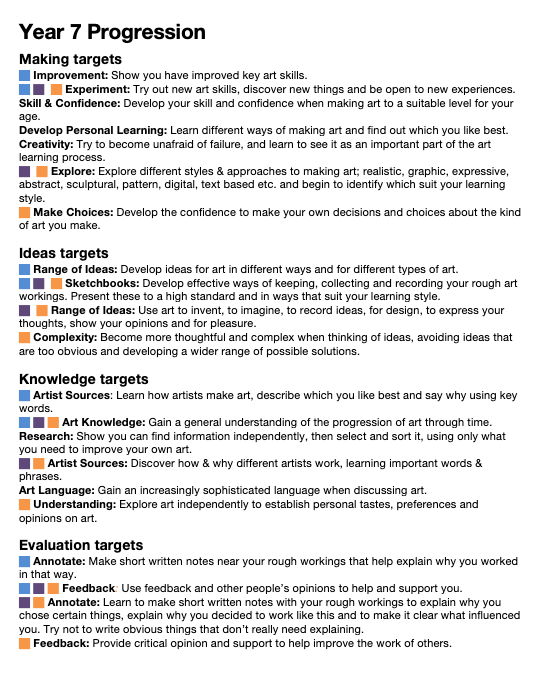
Key Stage 3 Art, Craft and Design Progression
Key Stage 3 Art & Design Progression Much of what we define as progress is smoke and mirrors. You can’t always demonstrate progression, because more often than not, it isn’t tangible. Often, I’ve spent two hours wrestling with an idea… Continue reading
-
Developing different approaches to Art
Develop more interesting and exciting approaches to making and teaching art Continue reading
-
Ten tips for improving the quality of your Art & Design teaching
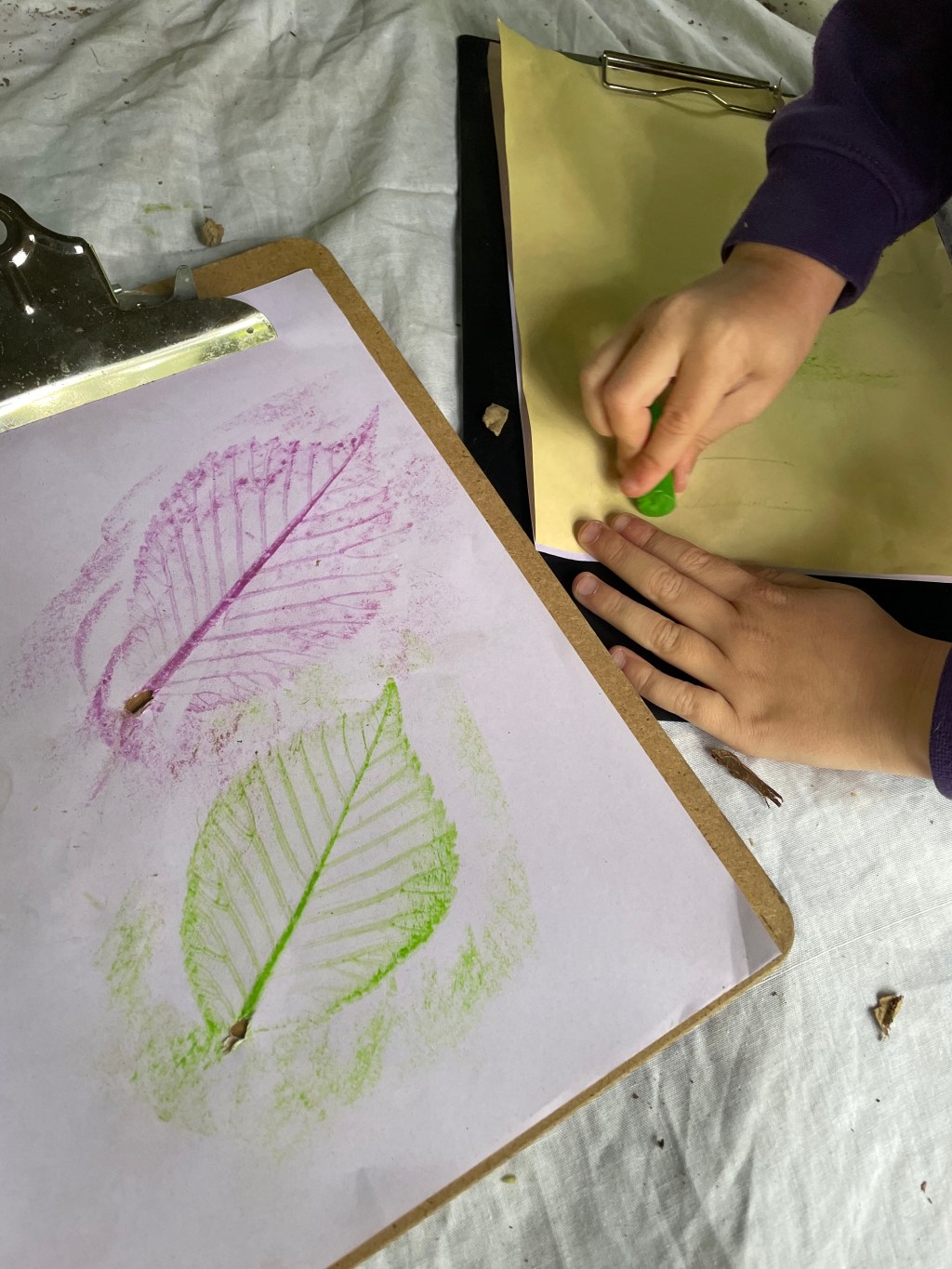
Ten tips for improving the quality of your Art & Design teaching It’s very easy to get lost in the frantic world of teaching. You get caught up in the day to day and sometimes you forget what is at… Continue reading
-
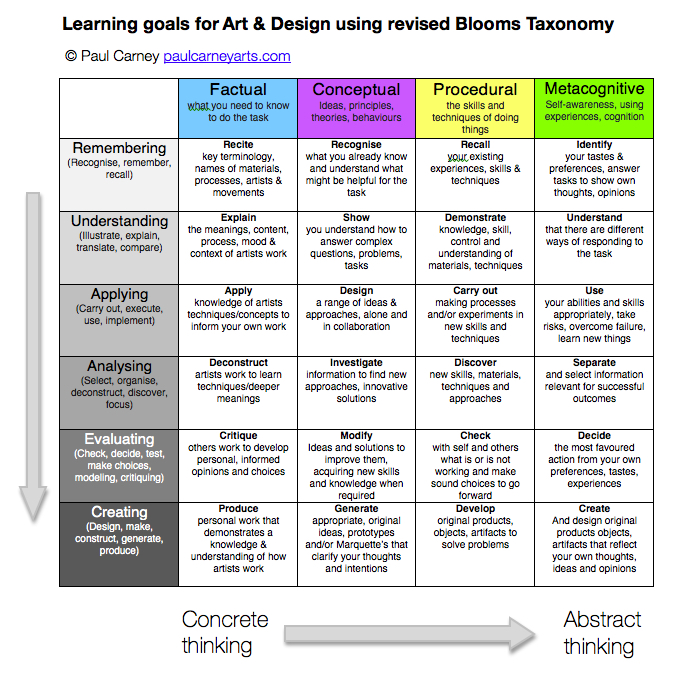
Progression in Art & Design using revised Blooms
Revised Blooms Learning Objectives for Art & Design that facilitate progression. Continue reading
-
Does anyone know of an artist who does . . . ?
Good art teaching comes from the development of planning that opens minds, it doesn’t direct outcomes. Continue reading

-
Looking at Contemporary Art
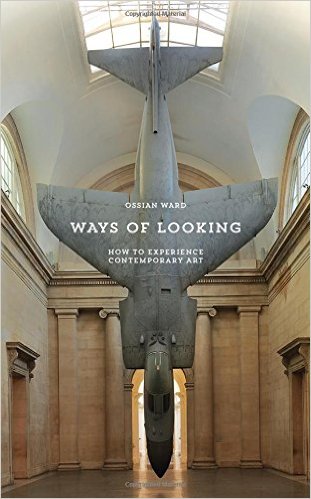
Ways of Looking Ways of Looking by Ossian Ward is an excellent introduction into contemporary art. He has developed a way of looking art that he calls TABULA where T is time, A is association, B is background, U is… Continue reading
-
If you want to improve boys learning, learn what it’s like to be a boy
A lot has been written about boy’s learning that I agree with; lack of self-esteem, poor motivation, weak presentation/organisation skills, female dominated schools and inability to concentrate for long periods of time etc. I passionately believe that the way lessons… Continue reading

-
Raising drawing skills or ‘Dumbeldore’s Army’
Dumbeldore’s Army and the incredible dancing bears By Paul Carney In the Harry Potter book ‘the Order of the Phoenix’ the students resort to forming a secret class to teach themselves the dark arts of magic so that they might… Continue reading

-
Creative Lesson Planning
One of the ways I see creativity being stifled is when well meaning teachers plan their lessons. Instead of planning for freedom of choice, they plan very controlled experiences. Instead of encouraging risk and exploration they limit the materials to… Continue reading

-
Creating creative lessons and happy, independent students
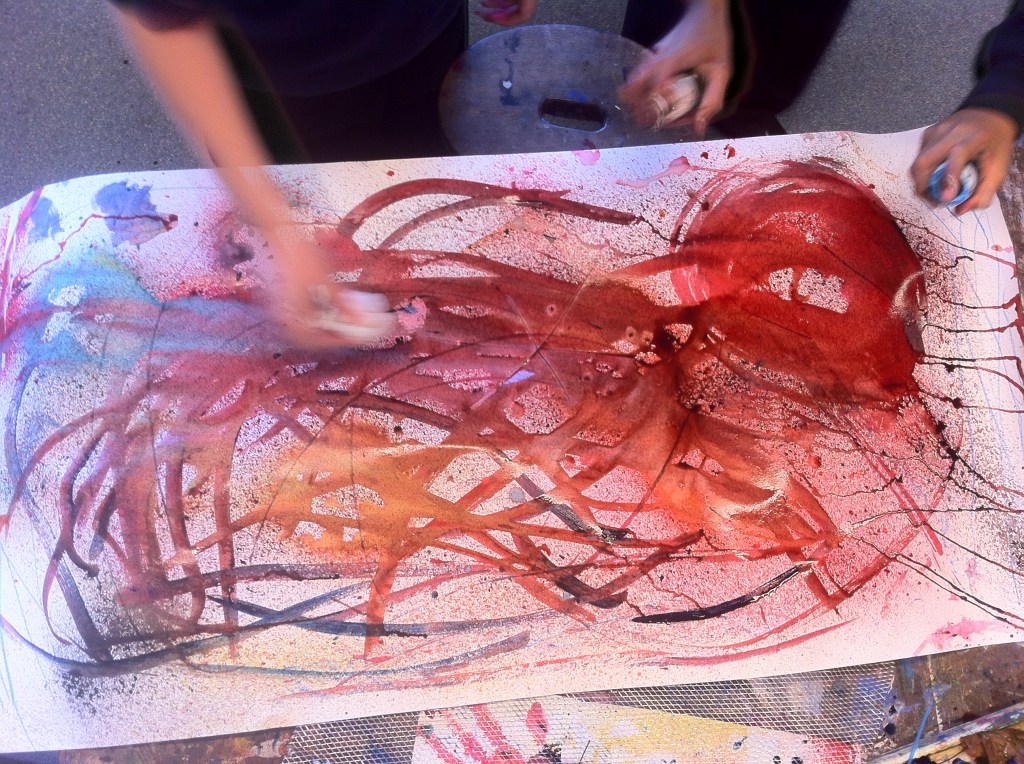
When PLANNING AND PREPARING for creative lessons consider: The creativity you want to tap into Is it a new experience or a new way of seeing, is it relative… Continue reading
 Paul Carney’s Blog
You must be logged in to post a comment.