Art Curriculum
My thoughts about devising an art curriculum.
-
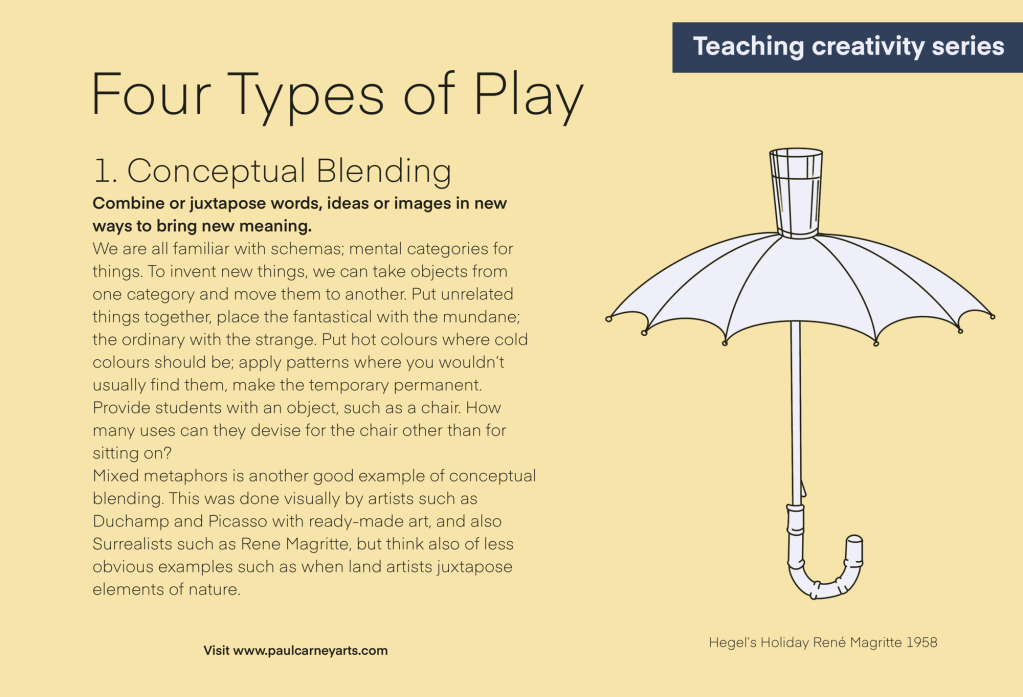
Four types of play that help us be more creative
Play is a profound way to learn and is inherent to our species. We can formulate play activities, engineer them in ways that facilitate particular experiences. In other words, we can teach it. #creativitycanbetaught 1. Conceptual Blending Combine or juxtapose… Continue reading
-
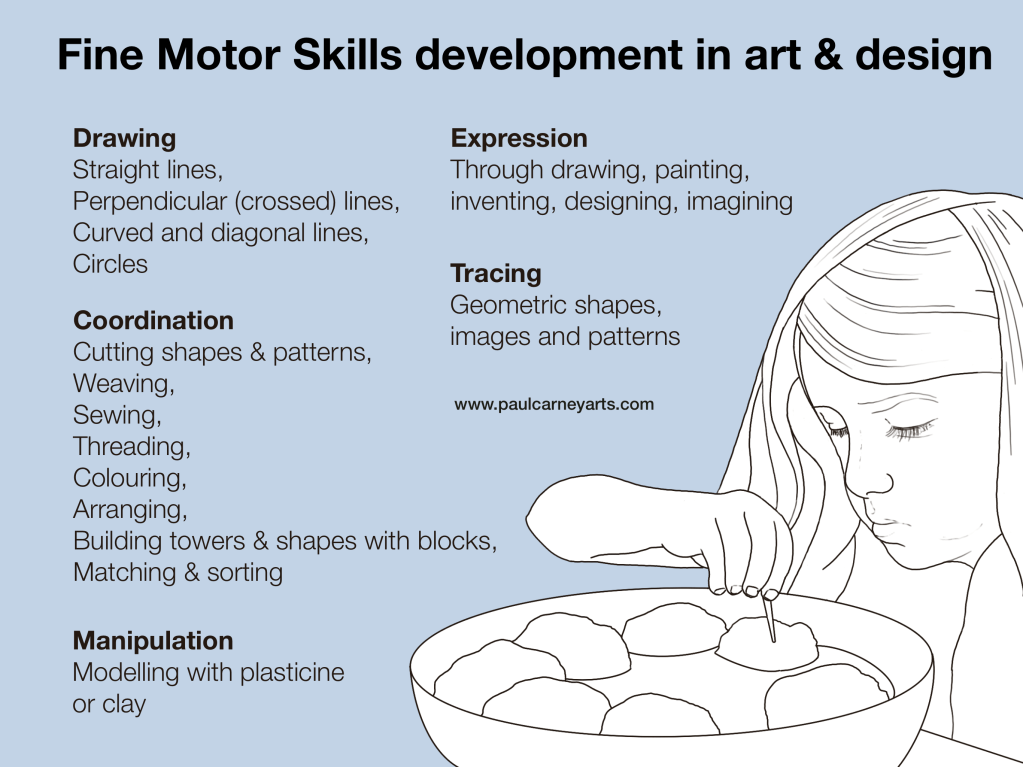
Fine Motor Skills in Art
When we think of pupils making progress in art, we tend to think of pupils developing their skills or abilities in separate domains such as drawing, painting, sculpture, printmaking and so on. Certainly, that’s the way most school progression maps… Continue reading
-
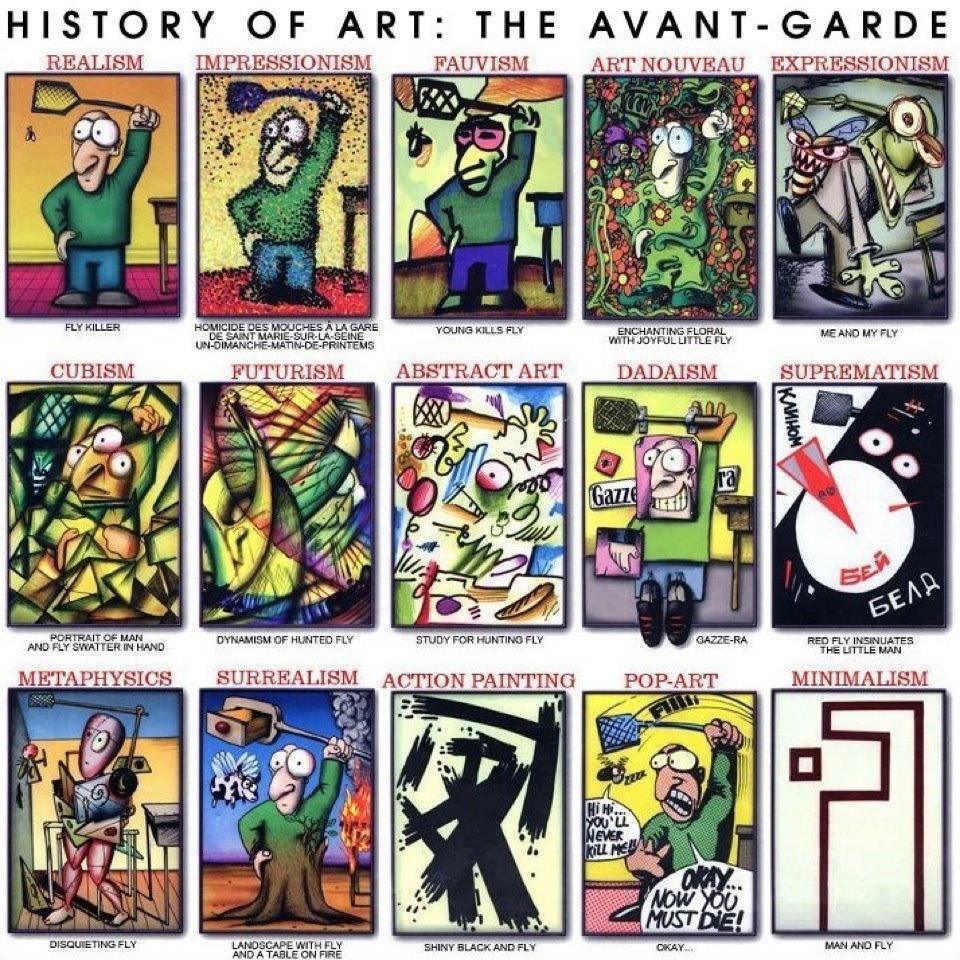
Art is dead. Long live AI
Art is dead. Surely, artists are redundant now that we can just pop a few prompts into an AI engine and get a stunning piece of art? Artificial Intelligence software can produce new images based on a set of parameters… Continue reading
-
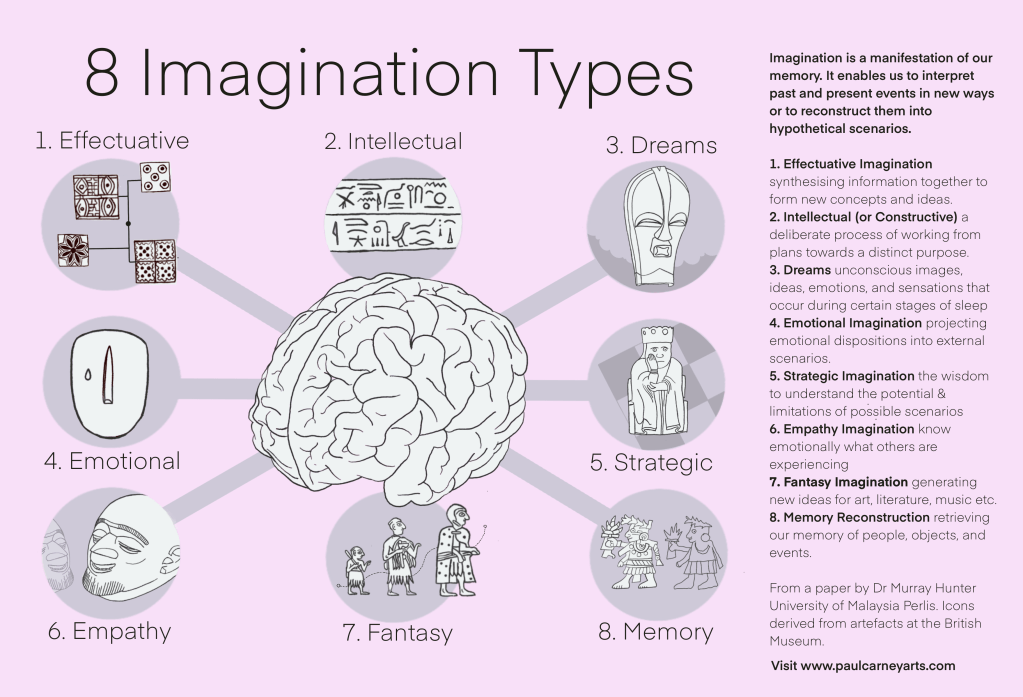
Developing imagination in learners
Imagination is the foundation of all inventiveness and innovation. It is uniquely human, and with it, we have been able to think, design, conceive, construct and develop our whole human society. Imagination is a powerful tool for learning and with… Continue reading
-
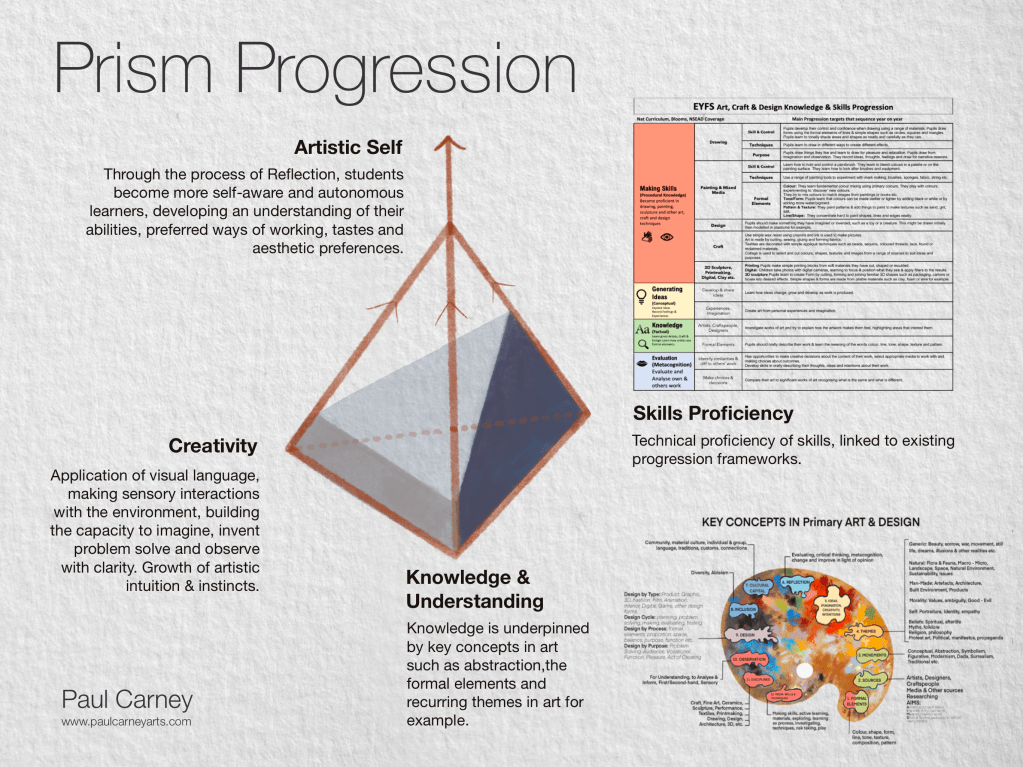
Artistic development in Children
By Paul Carney This blog post contains extracts from an essay by Anna Kindler – Art in early Childhood “One man may sketch something with his pen on half a sheet of paper in one day, or may cut it… Continue reading
-
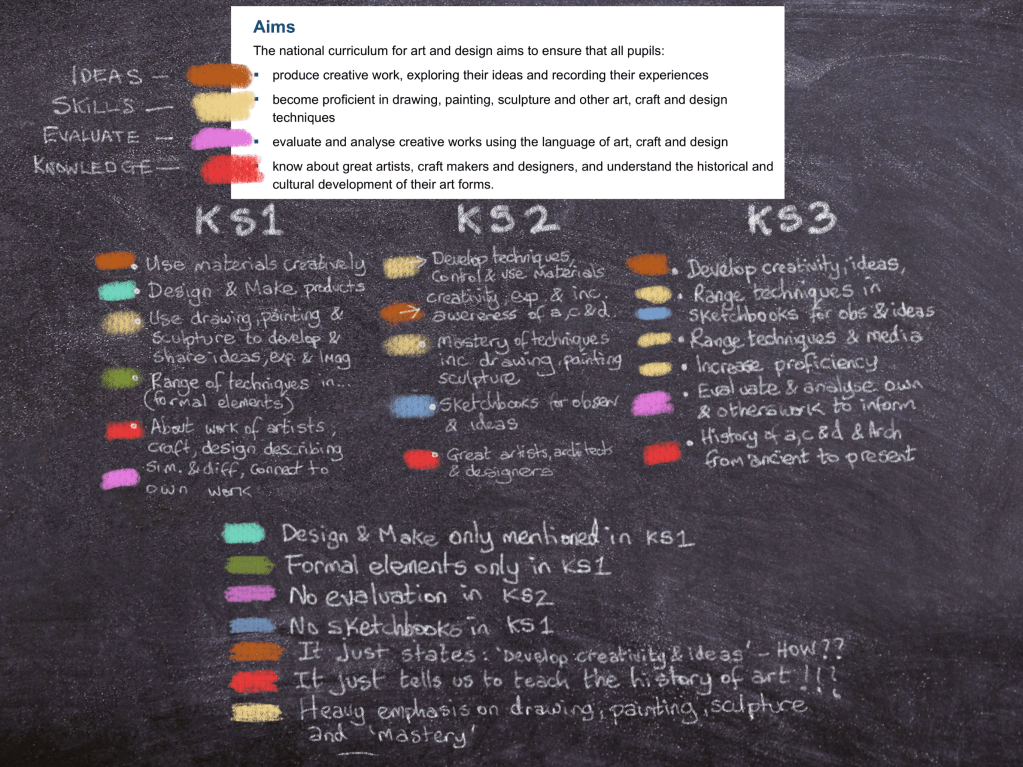
Sequencing learning in art and design? Don’t ask the DfE!
Schools all over England are being judged by Ofsted on their ability to sequence learning and progression in the subject, despite the fact that the national curriculum for art and design in England isn’t properly sequenced and it’s progression of… Continue reading
-
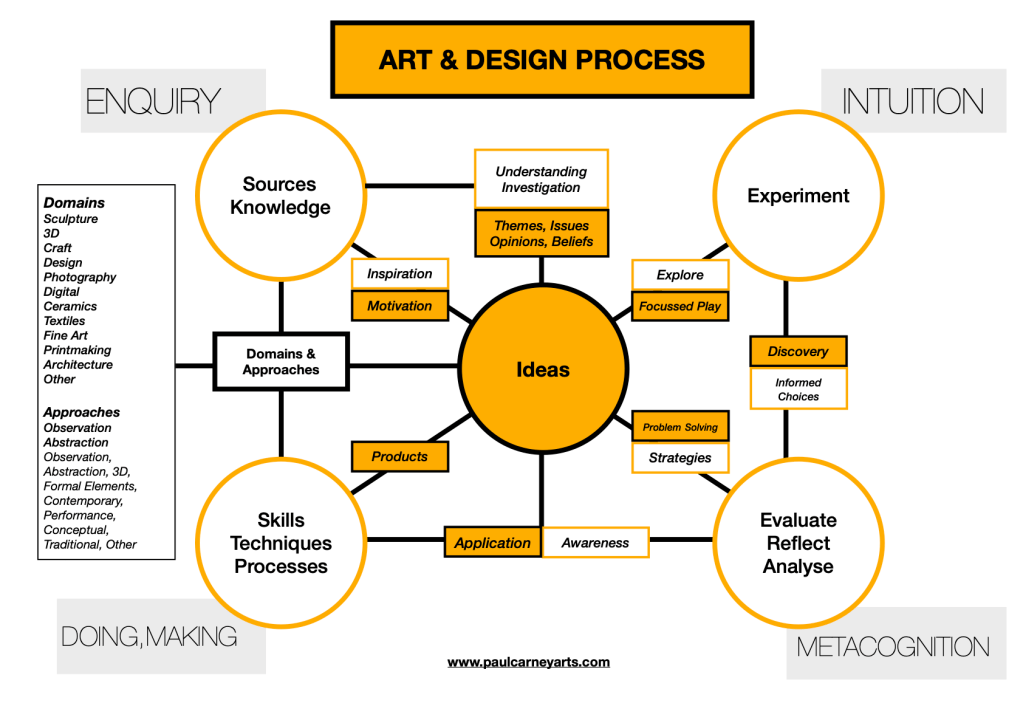
Art and Design Process
Making art is a complex, diverse process that can take many forms and be shaped by a wide range of factors. I’ve attempted to outline the main ones in a series of graphic organisers that could help teachers plan activities… Continue reading
-
The Art of Questions
This article appeared in NSEAD’s AD Magazine January 2016 When planning and delivering lesson content teachers are continually striving for a balance between ensuring their pupils achieve the intended learning objectives and maintaining their motivation. We can’t place enjoyment above… Continue reading
-
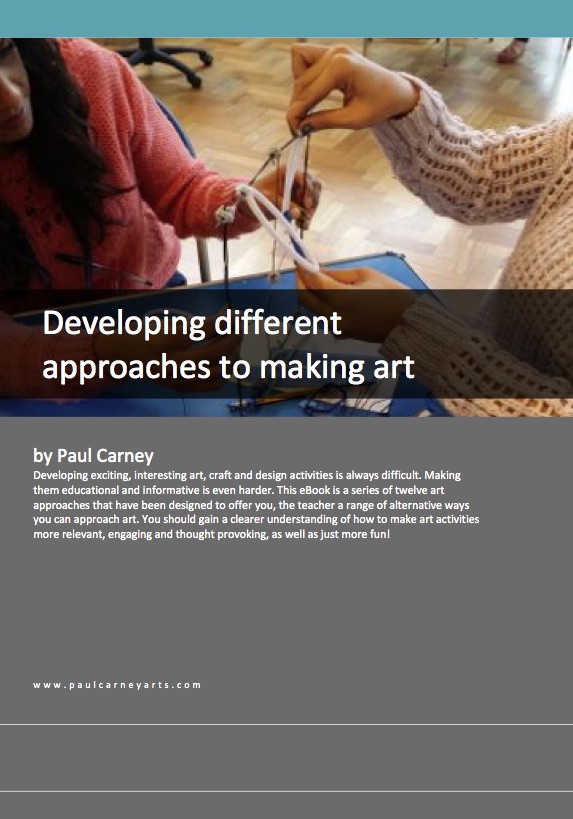
Developing different approaches to Art
Develop more interesting and exciting approaches to making and teaching art Continue reading
-
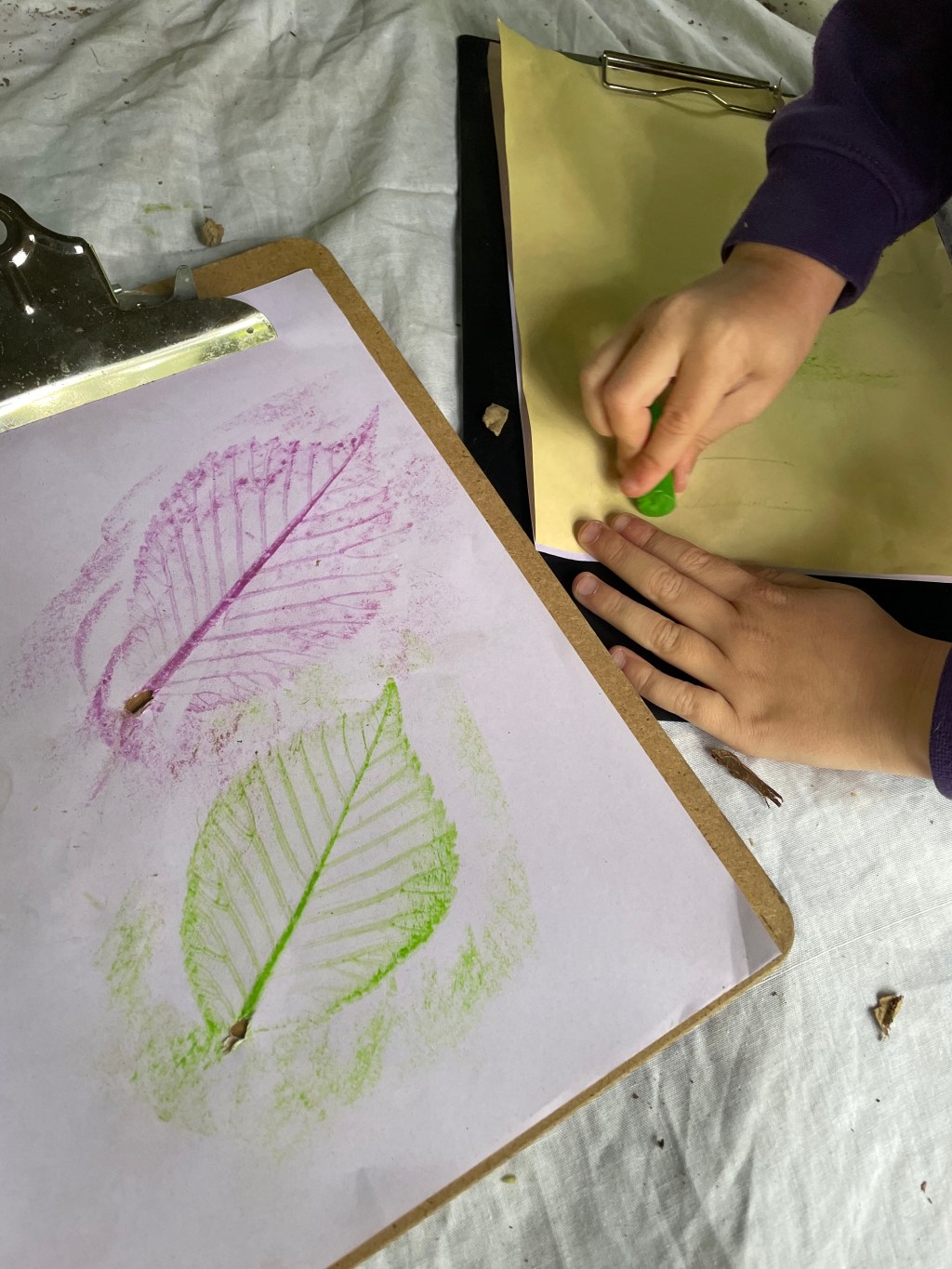
Ten tips for improving the quality of your Art & Design teaching
Ten tips for improving the quality of your Art & Design teaching It’s very easy to get lost in the frantic world of teaching. You get caught up in the day to day and sometimes you forget what is at… Continue reading
-
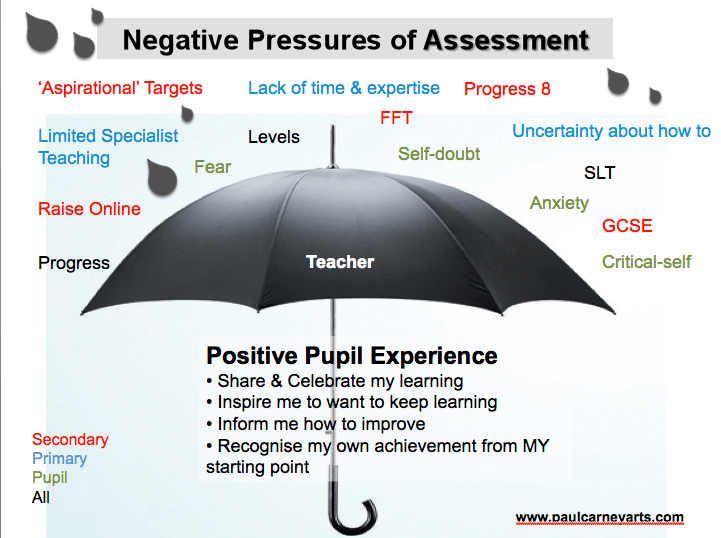
The Negative Impact of Assessment
Assessment can do as much harm as it can good. Avoid the minefields of negativity to develop truly positive assessment strategies. Continue reading
-
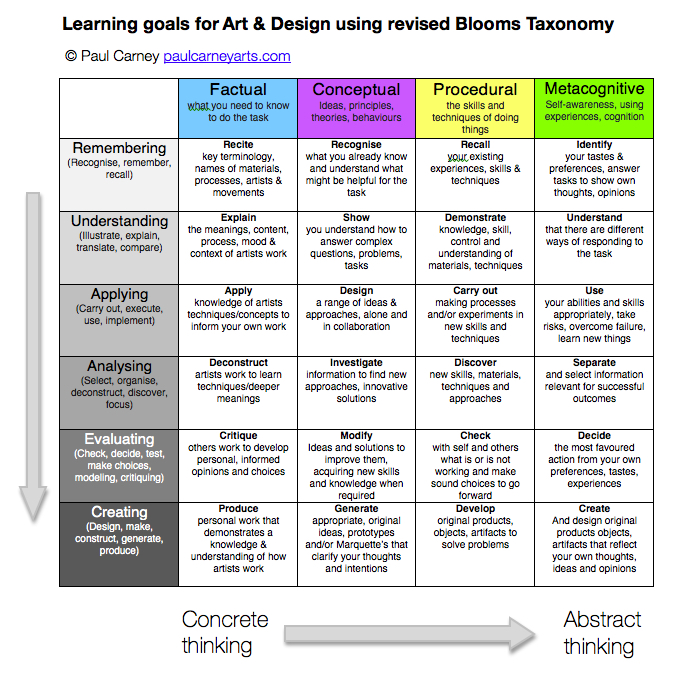
Progression in Art & Design using revised Blooms
Revised Blooms Learning Objectives for Art & Design that facilitate progression. Continue reading
-
Does anyone know of an artist who does . . . ?
Good art teaching comes from the development of planning that opens minds, it doesn’t direct outcomes. Continue reading
-
Idea Mining
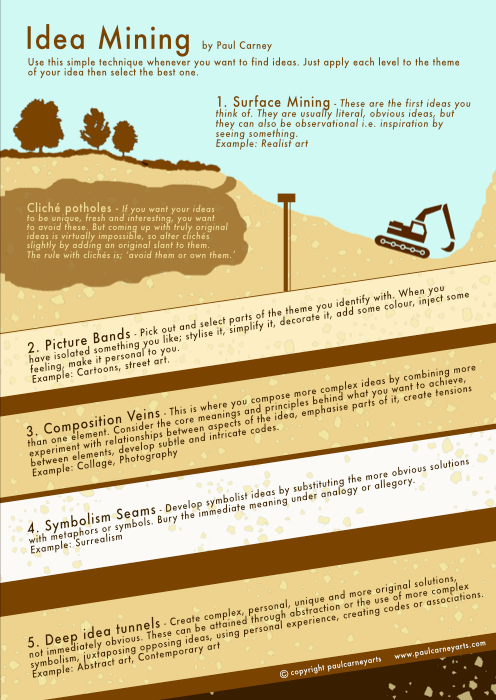
Idea Mining – This art lesson involves applying the objective or purpose of the idea to different thinking strands, to facilitate the more complex production of ideas. Continue reading
-
So you want to study an Art, Craft or Design degree?
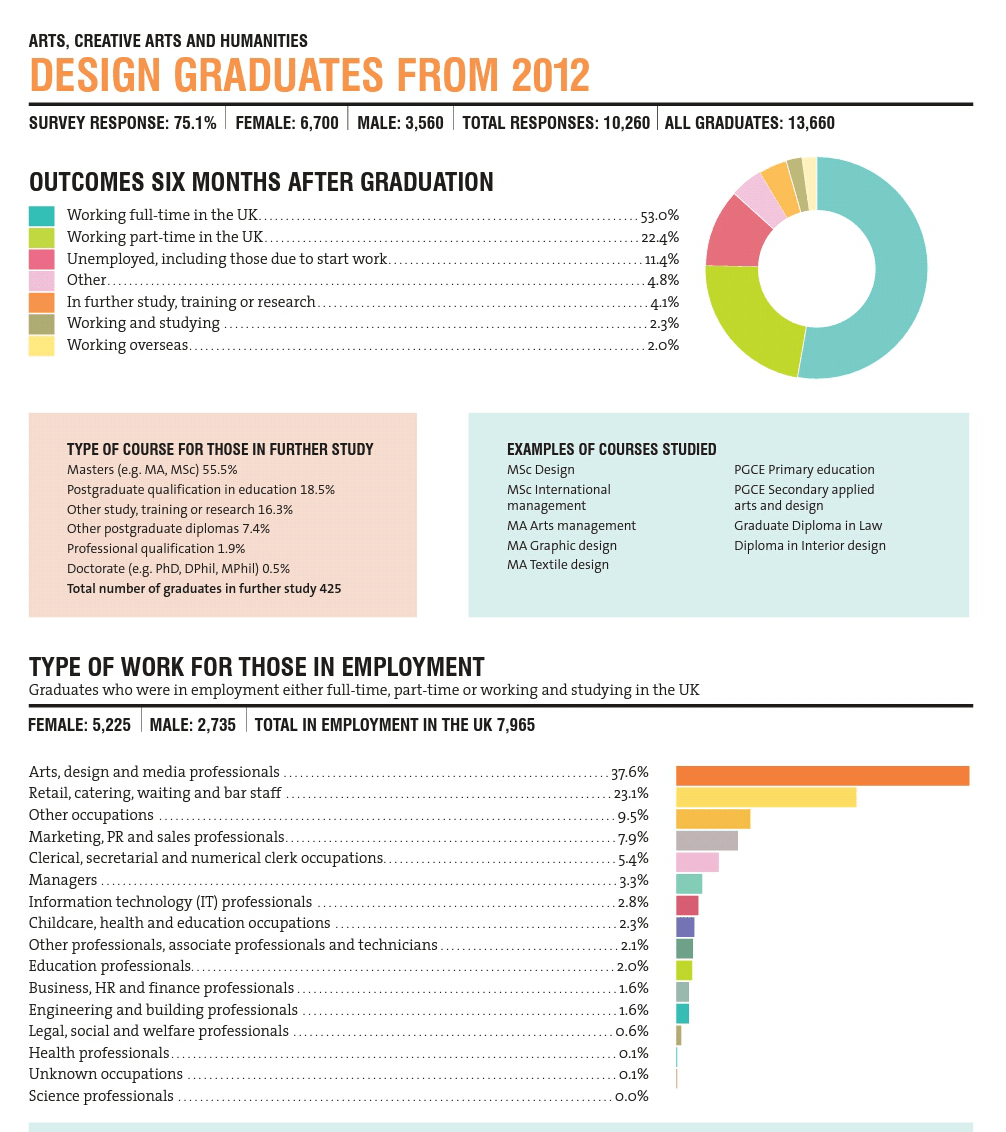
So you want to study an Art, Craft or Design degree? Well, there’s some great news! The number of jobs in the Creative Industries increased by 5.5 per cent between 2013 and 2014 to 1.8 million jobs. This was an… Continue reading
-
Looking at Contemporary Art
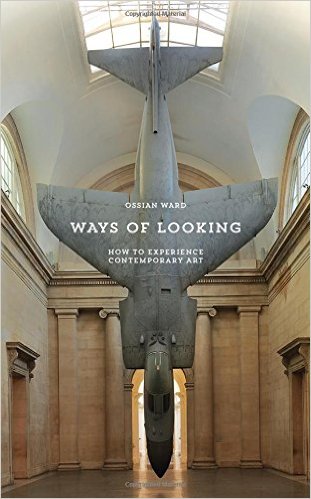
Ways of Looking Ways of Looking by Ossian Ward is an excellent introduction into contemporary art. He has developed a way of looking art that he calls TABULA where T is time, A is association, B is background, U is… Continue reading
-
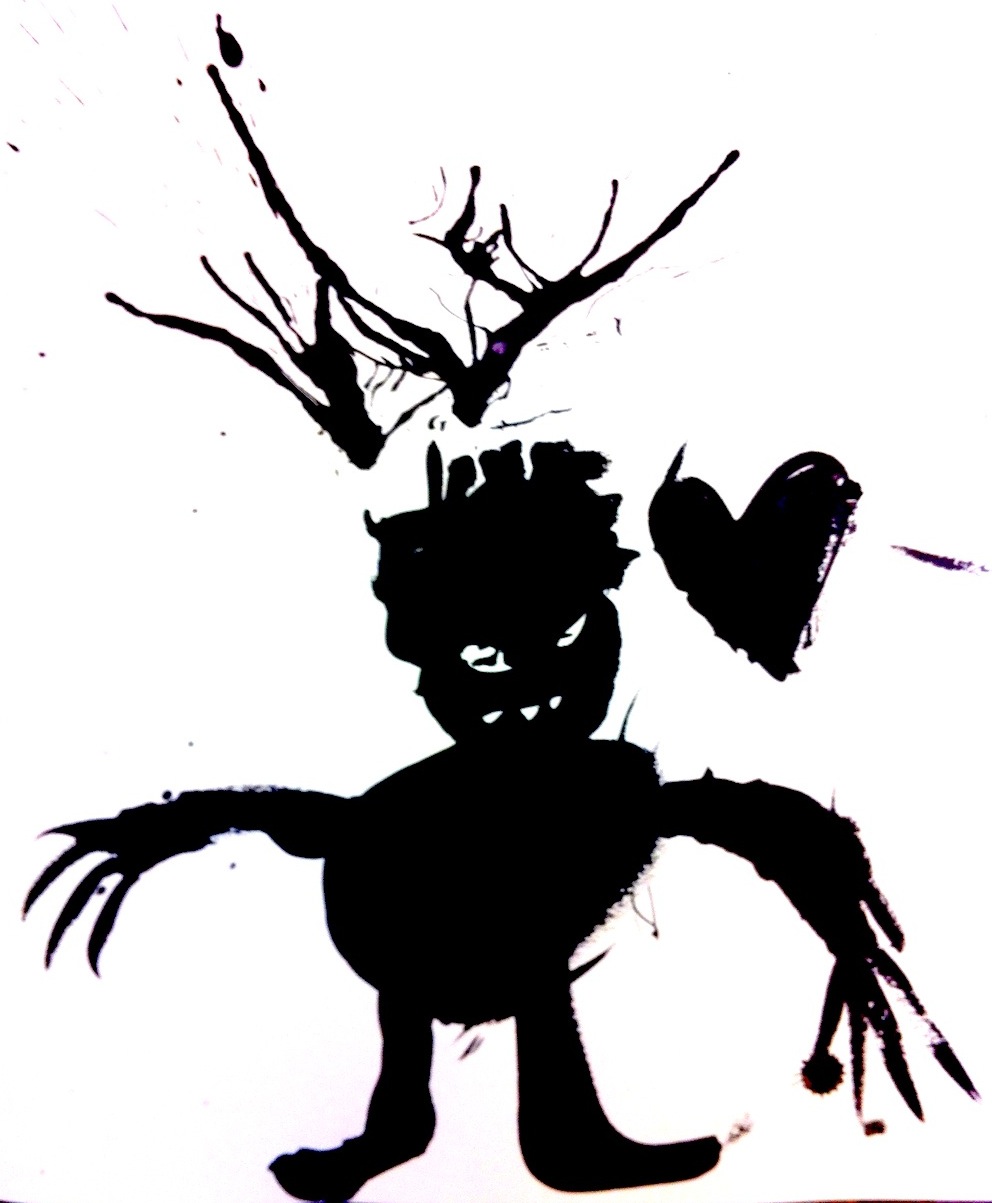
If you want to improve boys learning, learn what it’s like to be a boy
A lot has been written about boy’s learning that I agree with; lack of self-esteem, poor motivation, weak presentation/organisation skills, female dominated schools and inability to concentrate for long periods of time etc. I passionately believe that the way lessons… Continue reading
-
Creative Lesson Planning
One of the ways I see creativity being stifled is when well meaning teachers plan their lessons. Instead of planning for freedom of choice, they plan very controlled experiences. Instead of encouraging risk and exploration they limit the materials to… Continue reading

-
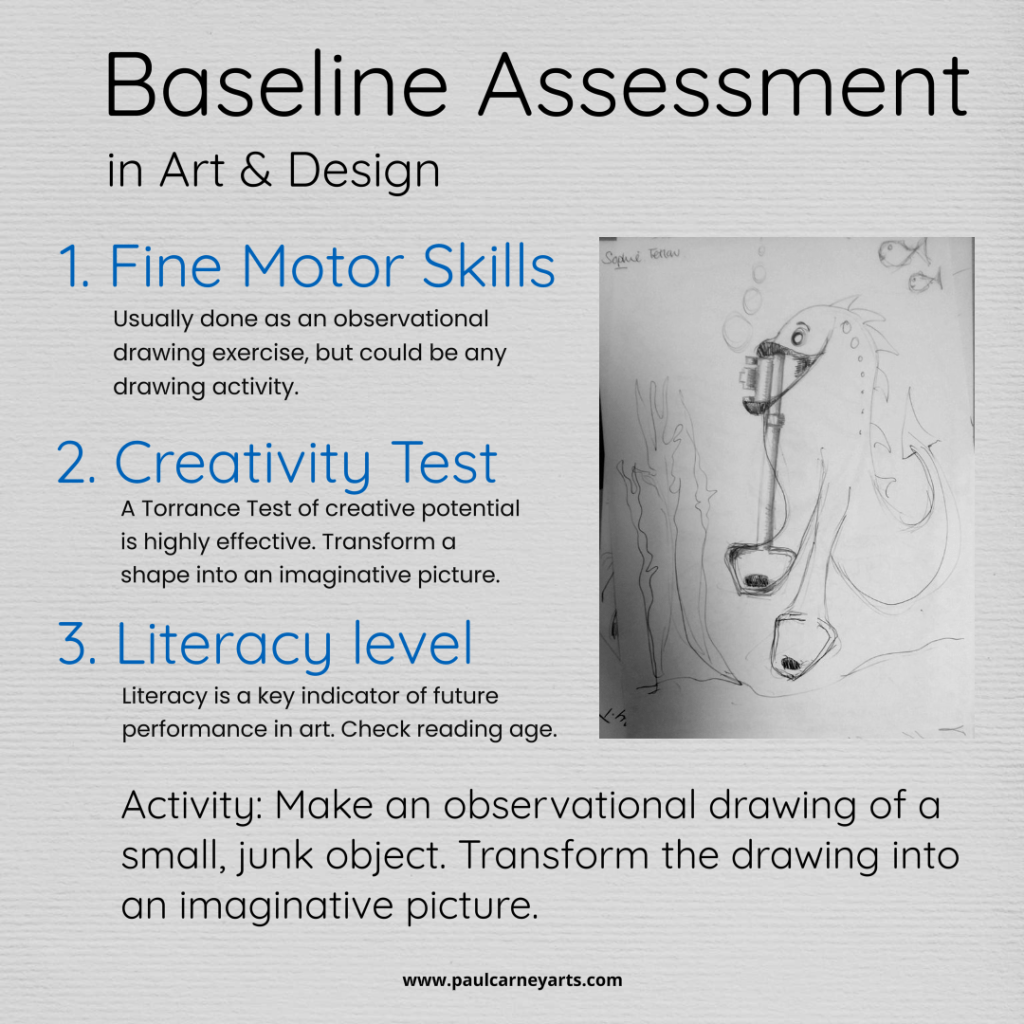
Baseline Assessments in Art & Design
You can’t measure progress until you know your student’s general ability in the areas of: Skills, Knowledge & Creativity. I developed a simple exercise to do this that takes about an hour to do and I would do it at… Continue reading
-
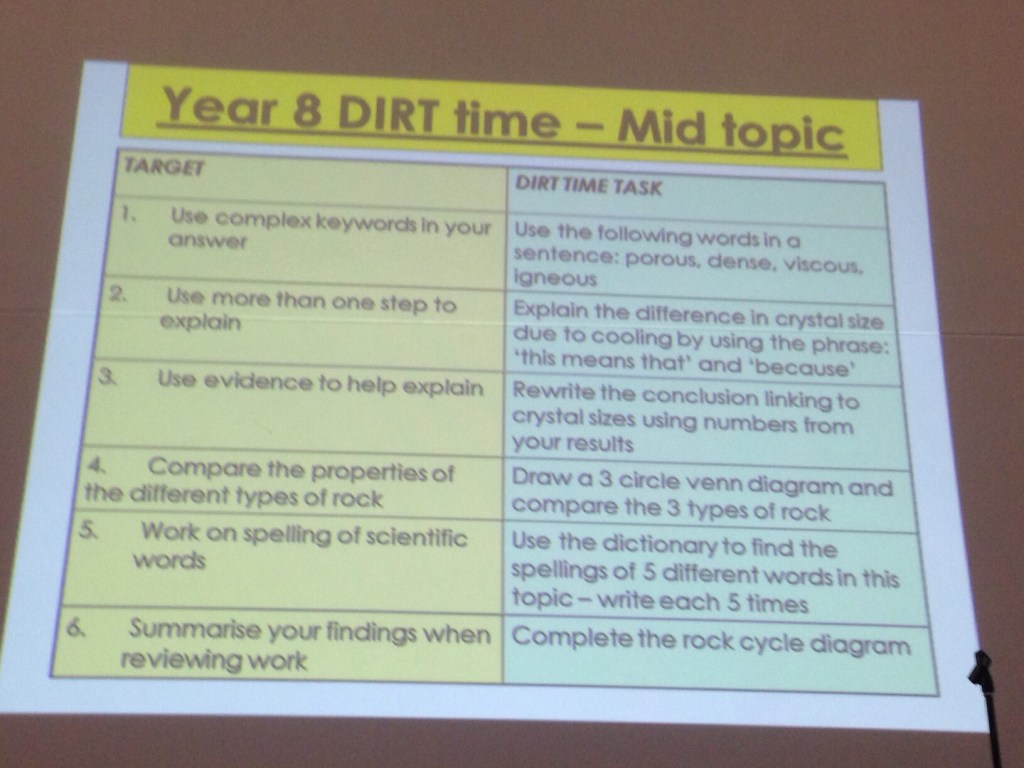
NCEA TEACHMEET Jan 2014 and the concept of DIRT!
#NCEAPEDAGOGY What an excellent meet this was, Jon Tait spoke of opening up Skype in the global classroom, Susan Coles gave an inspirational and silent presentation about visual literacy and Louise Gatti showed us the Wheel of wonder. There were… Continue reading
-
Teaching Drawing
Whenever I get a class of art students (of any age) to draw something from observation I always get a wide set of results, ranging from excellent to struggling. That must mean that most students are not working on a… Continue reading
 Paul Carney’s Blog
You must be logged in to post a comment.