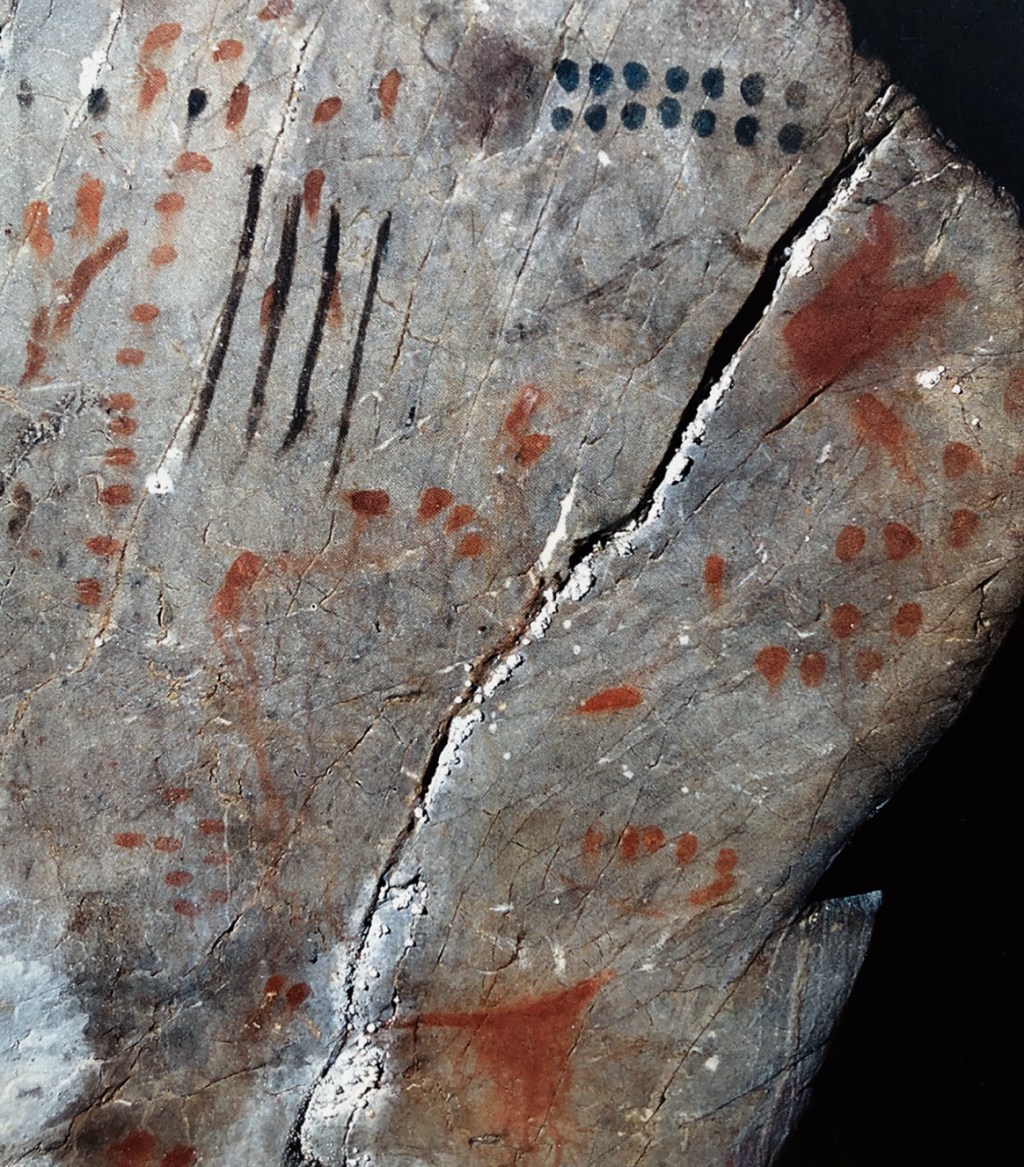
Up until recently, it was believed that Wassily Kandinsky ‘invented’ abstract art. These days, many popular social media posts claim that Hilma Af Klint got there before him. Neither of these beliefs are correct. The truth is, abstraction has always been present in art, from the Palaeolithic cave paintings of dots and undeciphered symbols, through to the complex geometric patterns adorning ancient, Islamic, Hindu, Aboriginal and East Asian objects and artefacts. The terms realism and abstraction are concepts centred solely in western art. Even then, the development of abstract art from a western perspective, was more an evolution than an invention.
Pattern and symbolism have always had a spiritual significance, and in the mid-nineteenth century, mediums and spirit artists began producing semi-abstract compositions derived from their séances and spiritualist meetings. The finest of these I think was British artist and spiritualist, Georgiana Houghton, who developed her mediumistic, abstract drawings around 1860.
At this time, western art was becoming gradually more expressive through the Impressionists and artists such as Turner, Constable and Whistler. Victorian spiritual and mystic writers such as Madame Blavatsky also had a profound impact on early abstract pioneers such as Kandinsky, Klint, Klee, Malevich and Mondrian. She taught that form is expressed by a descending series of circles, triangles, and squares, emanating from a single point. This geometric essence of nature became the basis of the art from those early pioneers.
There were other influences on abstract art however. The new age of the twentieth century saw the influx of new ways of thinking, radical change and innovation. Artists were also inspired by the influx of new images and artefacts they were seeing from places such as Japan and Africa, which were absorbed into art at that time.
Geomteric signs, Niaux cave, France, 14,000 years old. Bradshaw Foundation
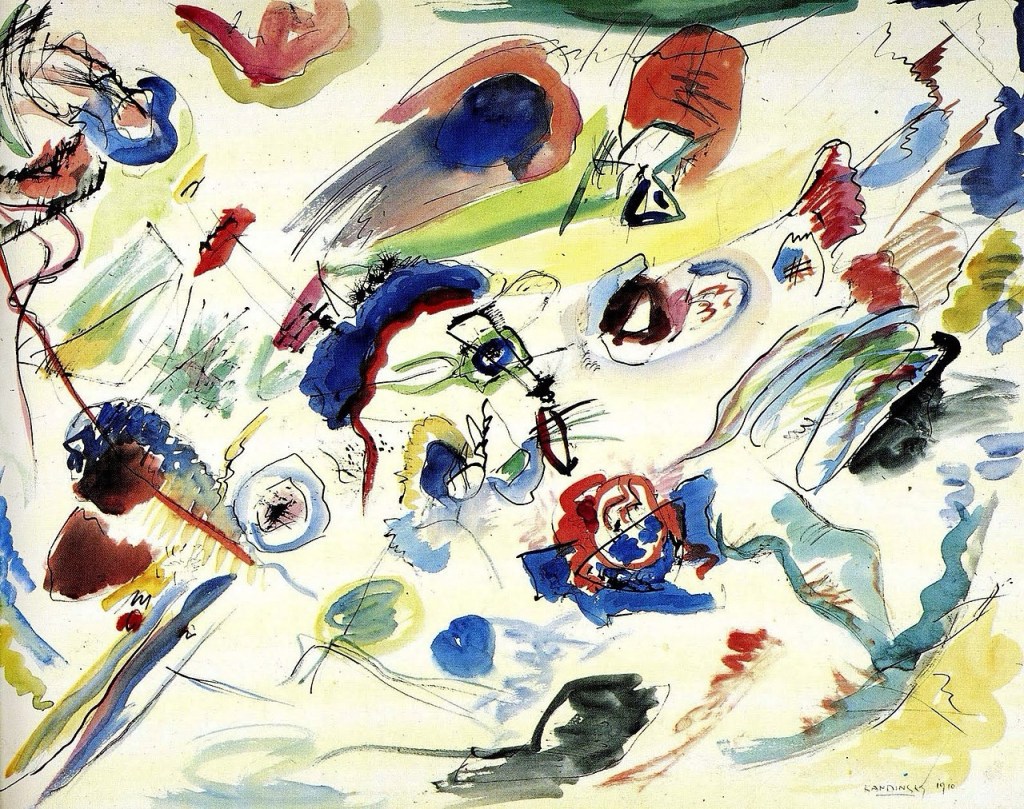
Abstraction then, evolved over time from a range of sources, and in any case, non-representational pattern and symbolism has always been present. What emerged in the early twentieth-century was a free-form, painterly, gestural, expressive way of working, free from representation, perspective and geometry. This type of abstract art was different to Klint’s and Mondrian’s and for that, we do have to look to Kandinsky, Picasso, Braque and others, who broke down the walls for abstract expressionists such as Pollock, Kline and Frankenthaler to follow.
In a strange kind of way however, art was coming back in a full circle, back to many of the early cave paintings, that were symbolic, gestural, mysterious and abstract. When western painters began depicting emotions, feelings and subjects using only colour, shape, pattern and texture instead of realistic form, they were in actual fact, re-discovering a much older tradition that had existed in art since humans first painted on a surface.
Images:
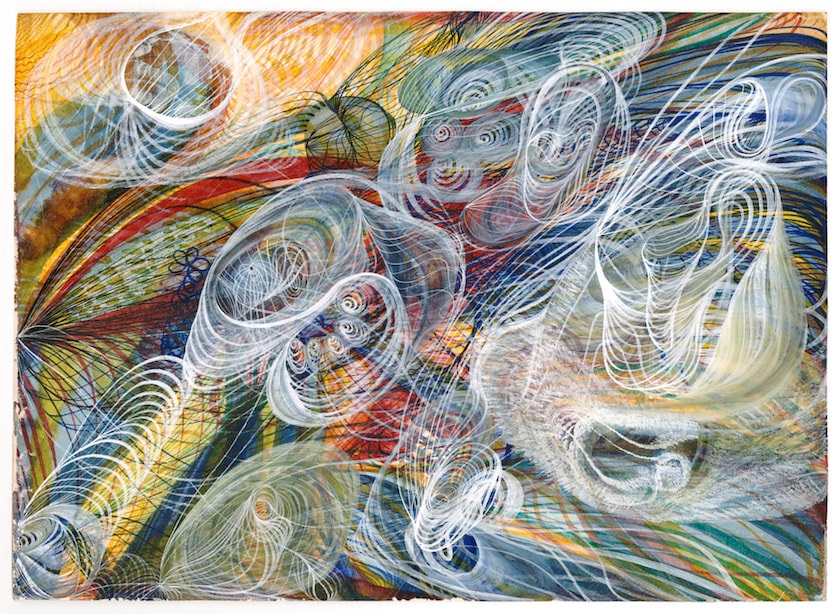
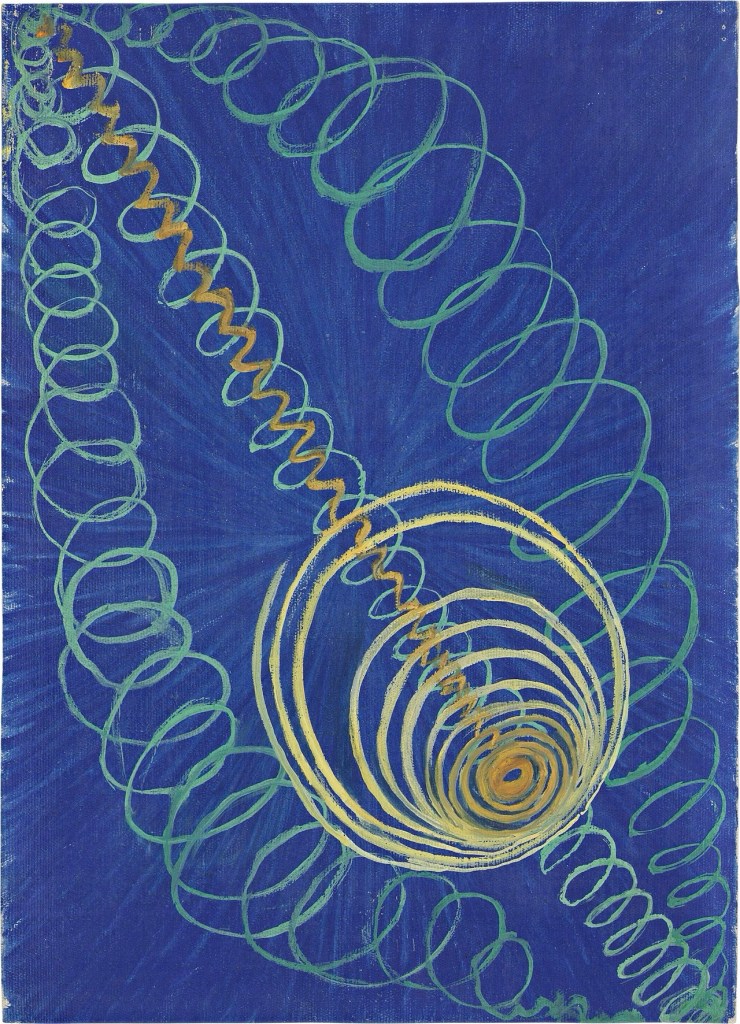

 Paul Carney’s Blog
It would be great to hear your thoughts about this