What TV shows did you watch as a kid?
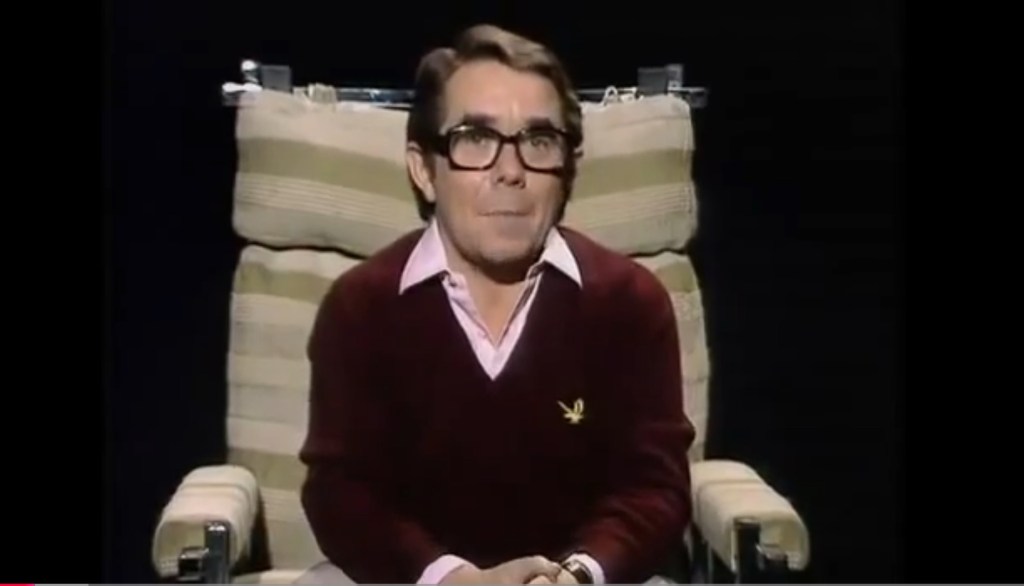
I may just be getting nostalgic in my old age, but comedy these days isn’t ‘arf as good as it was when I was a kid. Peter Sellers, Spike Milligan, Tommy Cooper, Morecambe & Wise, Les Dawson, the Likely Lads, the Pythons, Kenny Everett, Dave Allen, Billy Connelly, the Two Ronnies: oh man, those guys were just so funny. I used to laugh so much my sides ached, and I can’t remember laughing like that for the longest time. Maybe it’s an age thing, but I just don’t see many contemporary comedy classics in the same mould as the great comedy decades of the 60s and 70s.
Those comedians had been forged in the fires of punishing comedy circuits in the clubs, theatres, and music halls. They didn’t need to swear to make us laugh; they had learned the hard way that they wouldn’t get paid if they weren’t good enough. They knew what really made people laugh, and the lack of swearing didn’t hamper their comedy; it seemed to improve it. Except, of course, that I’m seeing it through the lens of a child. The difference wasn’t that there wasn’t ‘blue’ material, only that it wasn’t shown on TV back then. Late-night comedy shows were full of swearing and adult material; it’s just that we kids didn’t see or hear it.
TV Comedy in the UK had a post-war history that came out of the golden age of radio comedy. The Goons were popular in the 50s with their anarchic radio shows, and so was Tony Hancock. Like Peter Sellers, Spike Milligan, and Harry Secombe, Hancock was another radio star that made the move from radio to TV. His show, Hancock’s Half Hour, featured Sid James, Kenneth Williams, and Hattie Jacques, all of whom would go on to feature in the highly successful Carry On films. Sadly, Tony committed suicide in 1968. He was typical of the comedians who ‘made it’ back then. Comedians were a ragtag collection of weird compulsions, fears, phobias, and bizarre obsessions. They were often alcoholics, closet homosexuals, severely depressed, or just plain odd. Like the comedian Benny Hill, who held lifelong crushes on women to whom he never confessed his secret desires, and to all intents and purposes, never had a proper girlfriend in his entire life. Scratch beneath the surface of those comedians, and there wasn’t much to laugh about.
Behind the scenes of comedy were some great writers: Galton & Simpson, who wrote Steptoe and Son and Hancock’s Half Hour; Jimmy Perry and David Croft, who wrote Dad’s Army and a host of other comedy classics; Eric Chappell, who wrote Rising Damp; and John Sullivan, who wrote Only Fools and Horses. Without them, the great stars of the era would have been nothing, and yet their talent remains largely forgotten. Yes, comedians could deliver the lines, but they needed good writers to feed them material.
Of course, you have to be really careful when you peer back into the vaults of British comedy. Much of it was racist, sexist, and homophobic, and much of what wasn’t simply isn’t funny anymore. Female comics were few and far between, and the ones that were funny had to endure constant gags about their boobs, their looks, or their weight. Black comics were even fewer. Kenny Lynch was a brilliant Black comic who was ahead of time. He set the stage for comics like Lenny Henry, another brilliant door-opening comic who changed perceptions and battled against our inherent racism. This racism was perfectly satirised by Alf Garnett (Warren Mitchell), in the long-running sitcom Till Death Us Do Part. Alf was the stereotypical British husband: a misogynistic, racist pig who would never admit to being wrong. Oh, how we laughed.
Comedy of the 70s belongs to an era that has long gone, but to which many Britons harken back to. They want to go back to what they think Britain was then, but it almost certainly wasn’t. It only exists in our distorted memories. It’s a symptom of getting old, I think. The world is changing, and much of it is scary and full of gloom and doom. When we look back, we remember our childhood innocence, and we want those feelings again. We long to be innocent kids again, sitting on the carpet, in front of an old TV set, eating a bag of crisps, and drinking a bottle of pop, while we laughed along to comedians who were broken insecurities themselves. Yes, it was all an illusion, but I’d go back there in a heartbeat. Not because of the comedy really, but to be who I was back then. It’s our childhood innocence we’ve lost, and the comedy simply reminds us of that. It’s romantic, it’s nostalgic, and probably heavily distorted, but I’ll hold on to the lie for dear life.

 Paul Carney’s Blog
It would be great to hear your thoughts about this