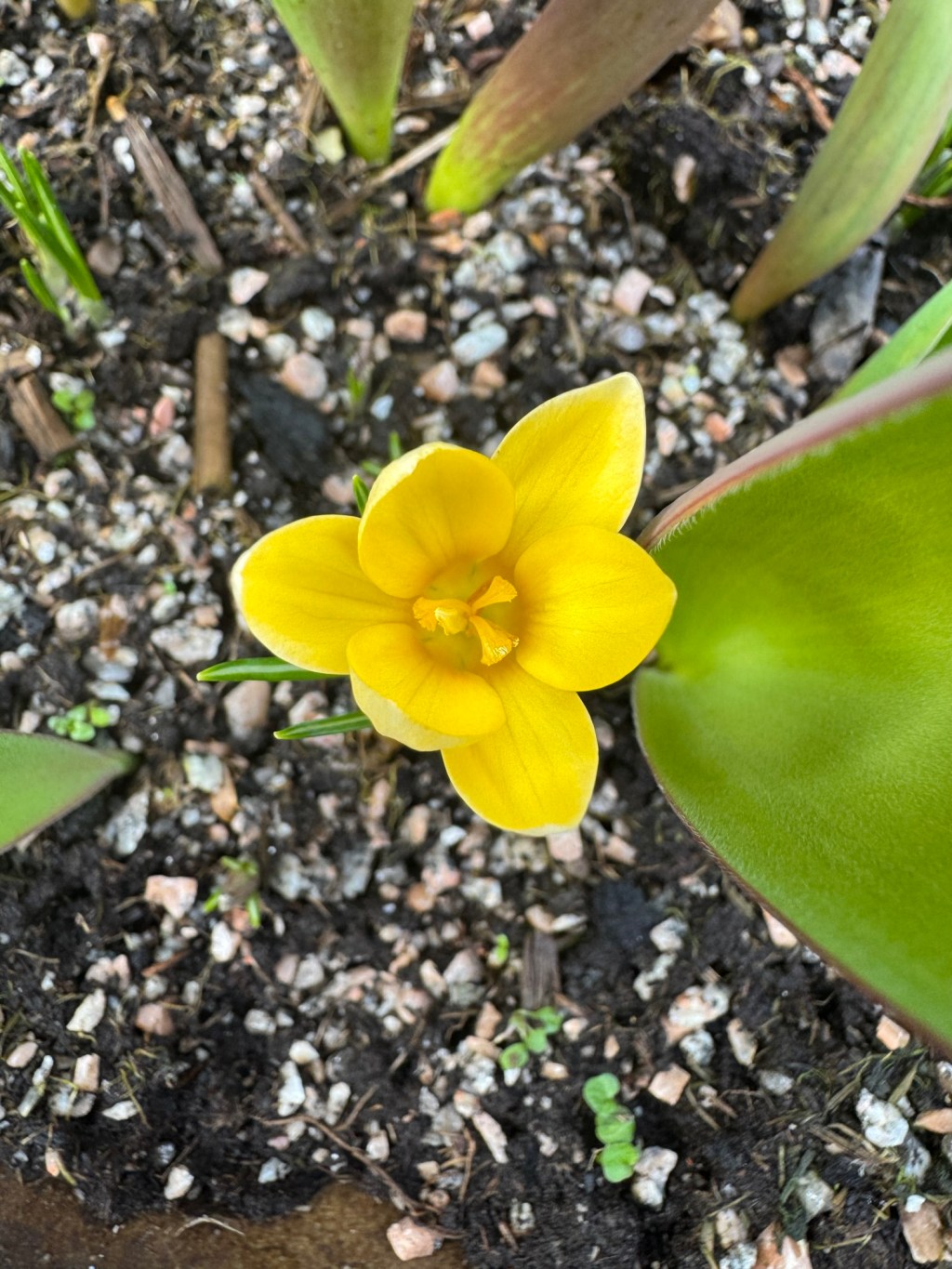
If you want to know what a flower is, be mindful of who you ask, because this will determine the answer you get.
- A dictionary will tell you that a flower is the part of a plant that is often brightly coloured and has a pleasant smell.
- A biologist might tell you its Latin names or describe the reproduction system of its ovules, pistils and stamen.
- A chemist might tell you the molecular compounds within the aroma of the flower, or its petals.
- A physicist might describe the placement of the colours of the flower in the electromagnetic spectrum of light, the fluid mechanics of its roots and water distribution, or its motion in the wind.
- A mathematician might define the symmetrical structure of the flower, the Fibonacci sequences in the spirals of its seed head, or the Golden Ratio of its geometry.
- An engineer might tell you about the structure of the flower, how it holds together such elaborate forms, whilst still remaining light and flexible.
- A philosopher might reply with; ‘What is the purpose of a flower, or indeed, any aspect of nature?’
- A religious person might tell you it is a gift from God.
- An artist might show you a painting, photograph or sculpture of the flower.
- A poet might eulogise about the romantic virtues of the flower.
- A musician might compose a piece of music that describes the arrival of the flower in springtime.
- A historian might recount the different ways in which the flower was used by people in the past.
- A doctor might describe its medicinal qualities.
- The people might tell you; ‘this flower symbolises our identity, our courage, our loss.’
- Another person might tell you flowers are just beautiful things that they love.
All of them are properly answering your question. All of them are providing you with knowledge about the flower, but none of them can adequately describe your feelings about the flower, just as none of us know what the purpose of the flower is, or what it is like to be a flower.
There are few right answers. Knowledge is relative. Our own personal experiences are unique to us. For the bigger things in life, we must find and define our own purposes.


 Paul Carney’s Blog
It would be great to hear your thoughts about this