Short term memory is largely aural – words and sounds. They usually last about a minute. This is why you have an internal monologue and think in sentences.
Moving memories from short term to long term memory might be done automatically, some theories suggest that everything we experience is remembered. But in any case Long term memory relies on vision and semantic qualities so rich visual stimulus are more likely to be remembered.
Unfortunately recalling memories is difficult because the brain has billions of neurons and it is engineered to not have all memories within instant recall or else it would be confusing and damaging.
But the more connections a memory has and the stronger the synapse, the easier it is to access.
The brain differentiates between familiarity and recall. Familiarity tells you you have encountered this before but recall is what is needed to get to it. This is called the recall threshold- the point at which the memory is activated. Visual aids are more likely to be remembered because they are more tangible. We are more likely remember things that are evocative, interesting or that have strong sensory or emotive connections. We can also remember things by drill and repetition or by how frequently we need to use them.
Also, you’re more likely to remember something if you’re in the same place you learned it. And the more stimulating that environment is the better. People will remember something much more if they learn it whilst scuba diving underwater than in a classroom. It is called external context. This can also apply to mood. If you learn something when you’re sad, you’re more likely to remember it later if you’re sad again. It is due to the chemical and electrochemical that result from mood associations. The context of the memory both inside and outside your head are important to memory recall.
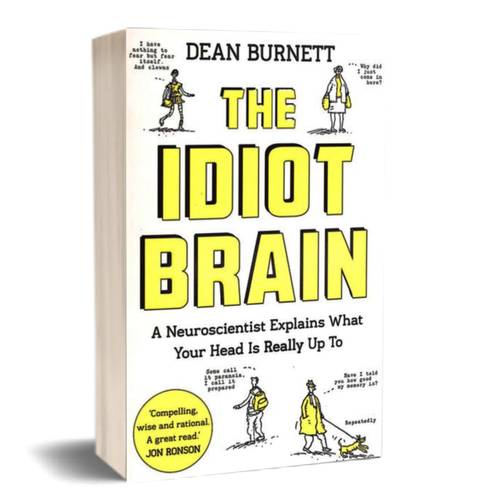
From the book the Idiot Brain by Dean Burnett

 Paul Carney’s Blog
It would be great to hear your thoughts about this