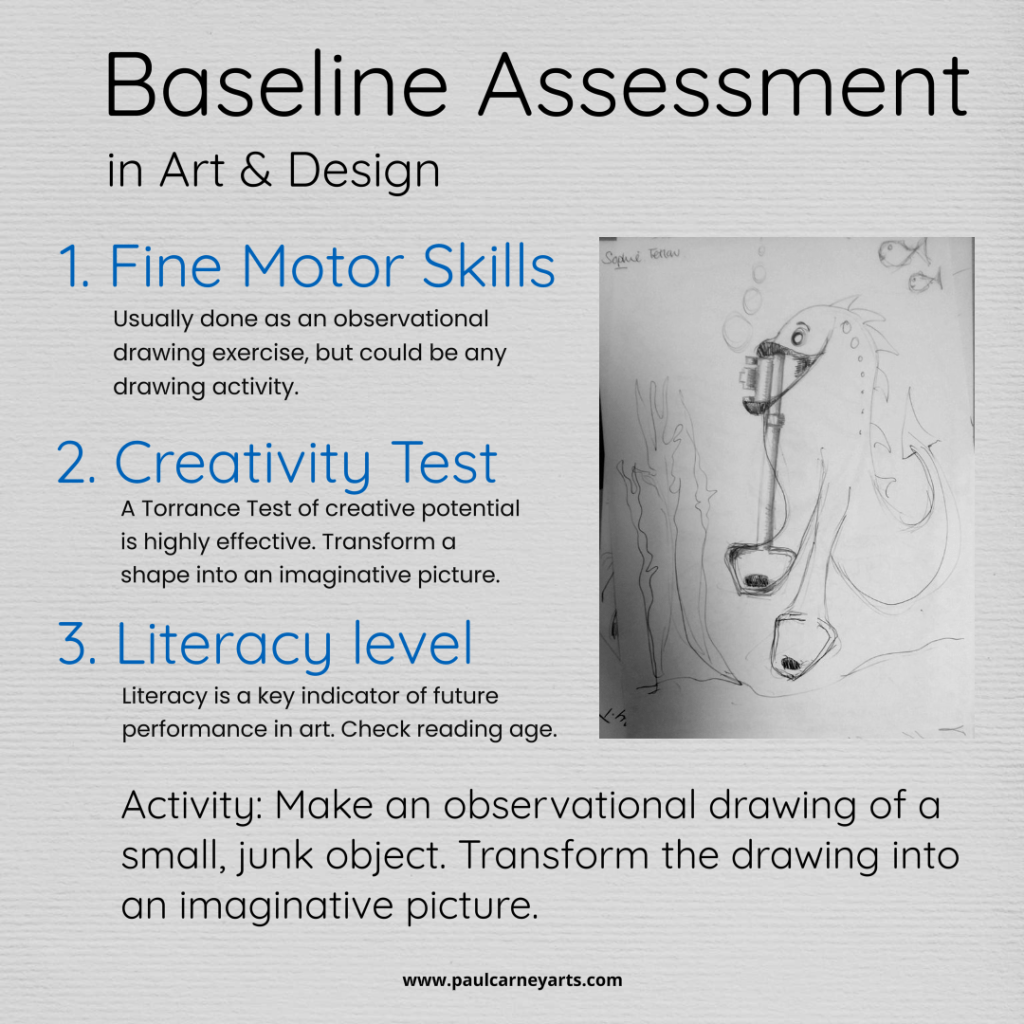
You can’t measure progress until you know your student’s general ability in the areas of: Skills, Knowledge & Creativity. I developed a simple exercise to do this that takes about an hour to do and I would do it at the beginning of each year.
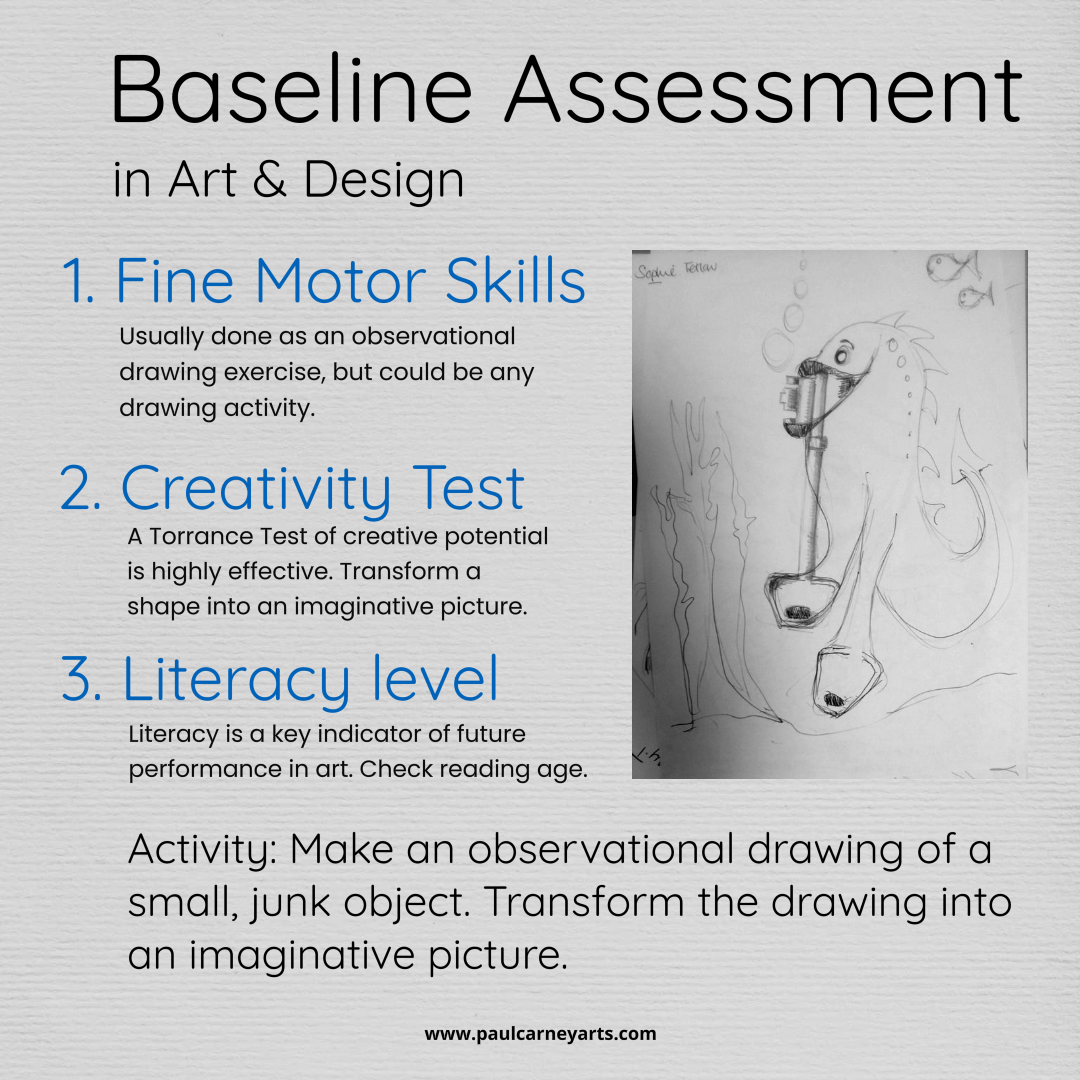
Skills assessment for Key Stage 2 or 3 pupils
Traditionally, an observational drawing task is undertaken at the start of year. You can set a still-life arrangement on a table or provide an interesting, stimulating object to draw and produce a drawing within 30 minutes, to get a good understanding of basic skills. What you are seeing here are your pupils’ Fine Motor Skills ability and their basic draughtsmanship. You aren’t getting an understanding of their skills in any other areas of art, including sculpture and Gross Motor Skills, which is often why boys don’t excel in art – the subject isn’t geared towards their abilities, (but that’s another topic!).
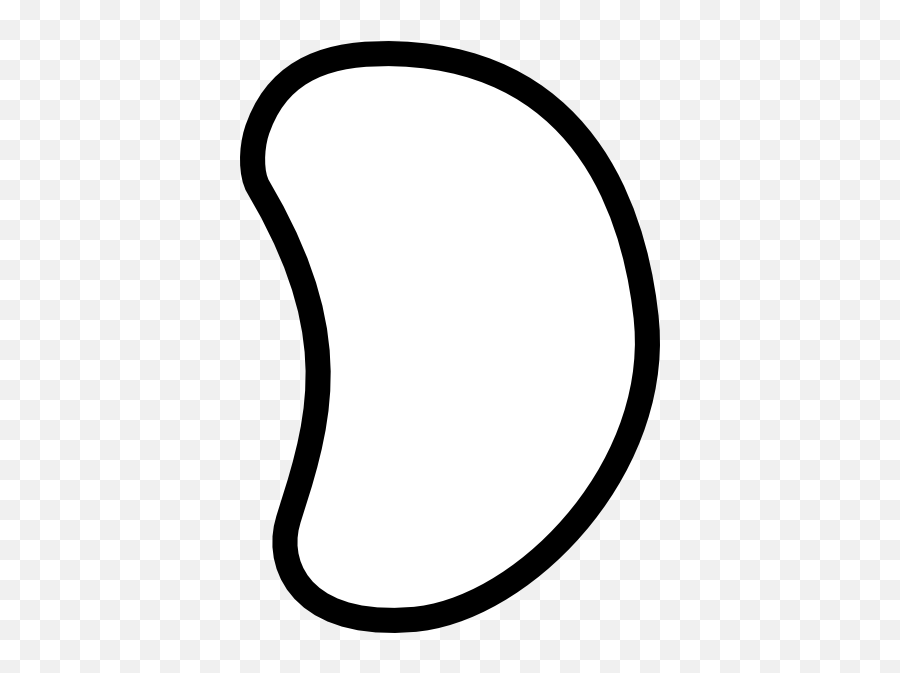
Creativity assessment for Key Stage 2 or 3: I’ve developed a variation on a Torrance Test for creativity. You can measure a pupil’s creative potential by giving them an outline of a simple shape, such as a kidney bean or circle, then asking them to produce the most imaginative, original picture they can think of, that includes background. Emphasise the need for originality and imagination. This takes about 20 minutes maximum.
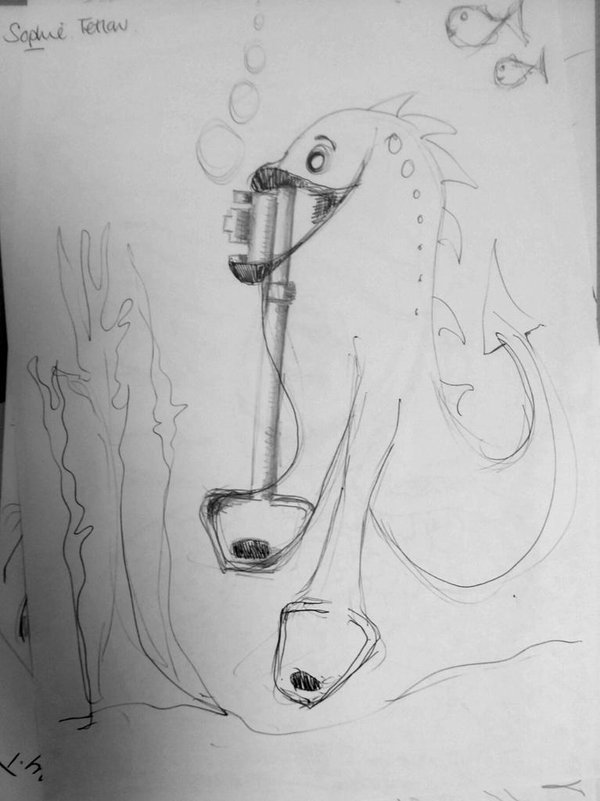
Alternatively, you can combine the observational drawing assessment with an imagination task into a simple exercise: Provide a small object such as a key, bottle top or screw, and ask them to make a detailed observational drawing of it. Next, transform the drawing of the object into an original, imaginative picture. This gives you an indication of their levels of original thinking and imagination.
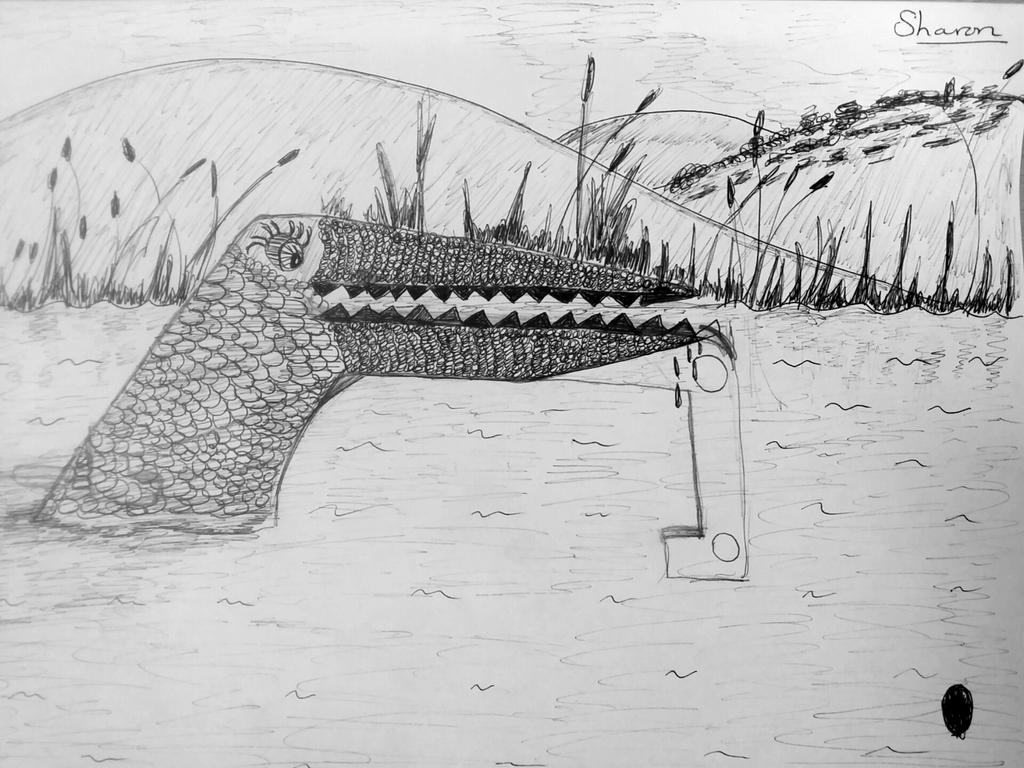
That is my baseline assessment complete! Note, you can simply look at pupils’ sketchbooks or folders from the previous year if it’s easier. You may also have transitionary data and summative reports from previous years which can all be used to assess the starting points across all three areas. Some teachers tell me they do a portrait project each year to assess pupils’ starting points, but all this does is tell you how good they are at drawing faces. It doesn’t give you other essential information about literacy or creativity.
Key Stage 1
A simpler assessment for younger pupils involves giving them a stimulus and asking them to draw an imaginary picture from it. I use an image of a mysterious door in a forest I found on Google Images.
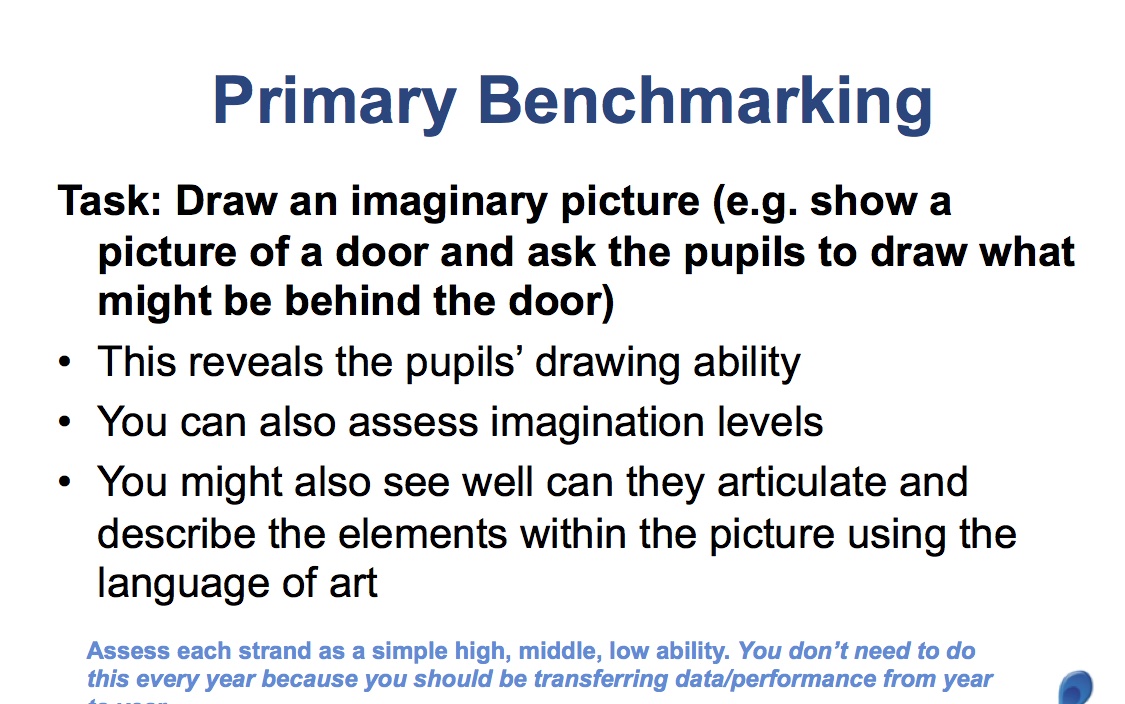
Measuring the Results: Next, I get everyone into a circle or group, and we celebrate and enjoy our pictures, commenting on what is most interesting and successful. As the teacher, I am looking for distinct assessment areas here. I can choose to share this information with the class or not, but I want to measure; drawing ability in terms of the level of skill, attention to detail or successful transference of their idea and their level of original, imaginative thinking. I make judgements about their work to the three assessment strands of working towards, working at or greater depth, ‘where working at’ is the expected standard of drawing for their age and being able to describe an idea that few other people have thought of in the room. (Sometimes, we can draw the same idea in different ways!)
Reading Age: The only other information I will need now for my baseline assessment is their reading age described as working towards, working at or working at a greater depth. This gives me vital information about pupils’ ability to engage with the literacy elements of my curriculum. Literacy is a key driver of attainment in art. Those with lower reading ages will struggle to achieve higher grades because they lack the ability to articulate their thoughts and opinions.
It will have taken about an hour to do the assessment and discuss/assess it in the group, but this now gives me three measurements of ability:
1. Their general drawing ability is described as working towards, working at or working at a greater depth.
2. Their level of creative imagination is described as working towards, working at or working at a greater depth.
3. Their ability to access and describe their own and others’ artworks using verbal and written communication.
This last measurement can be used to measure the two curriculum attainment areas of knowledge and evaluation that we have outlined above. What you should find from doing this is that some pupils are very skilful at drawing, but not so imaginative. Some are imaginative but not so skilful and some are literate and articulate but not imaginative or skilful. In our current art education climate, it is usually the skilful ones who receive the most recognition, rather than the budding art critic or most imaginative ones.

 Paul Carney’s Blog
It would be great to hear your thoughts about this